NASA Announces Large-Scale Reforms and Structural Changes
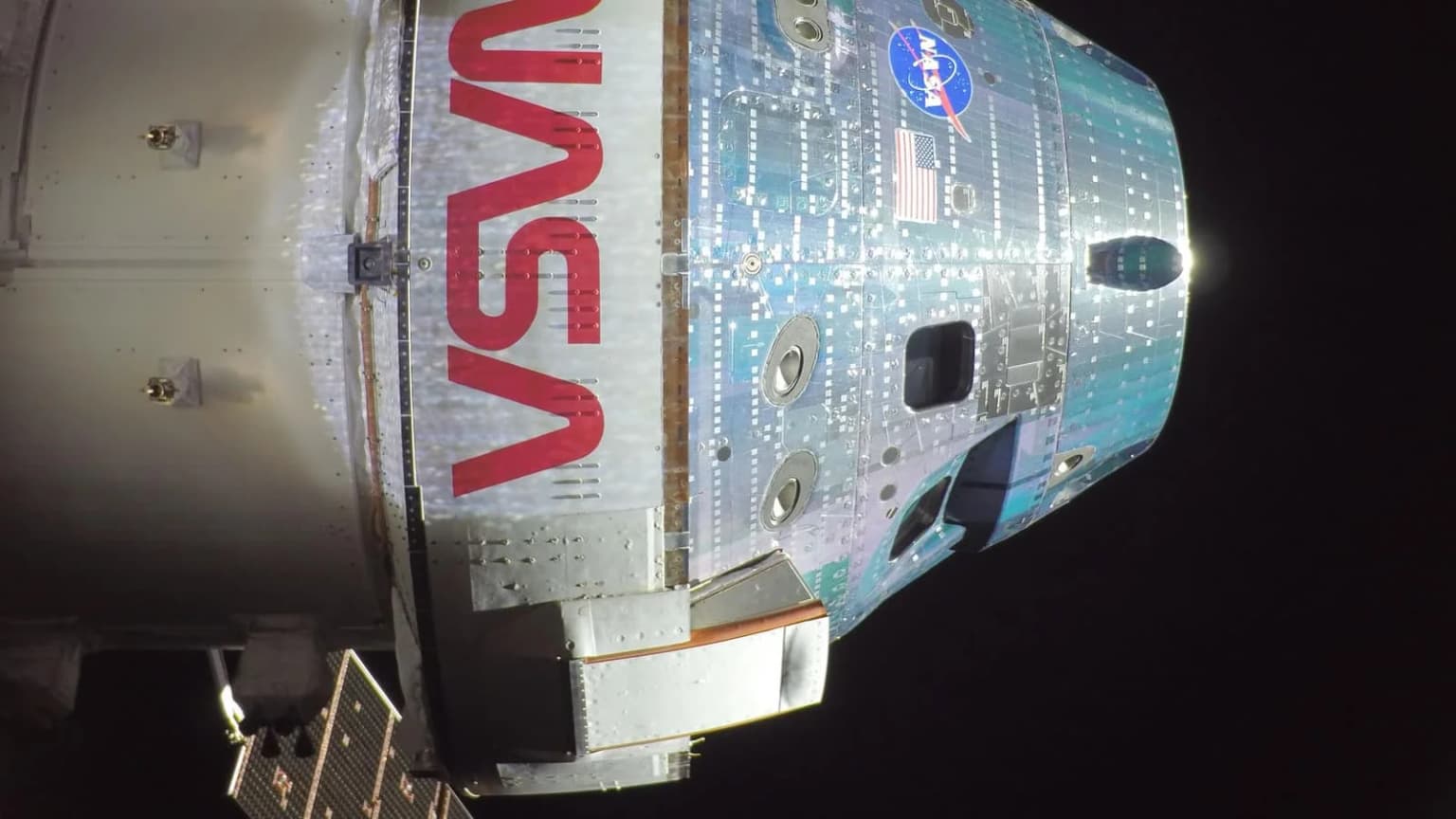
NASA is launching its largest internal reforms in recent years. The agency's new head, Jared Isaacman, has decided to significantly restructure the organization: key divisions will be merged, leadership will be redistributed, and measures will be taken to accelerate space programs. Against the backdrop of growing competition in space—primarily from China and private companies like SpaceX—NASA leadership aims to reduce bureaucracy and make the agency more "agile." This is reported by Ixbt.com .
The main changes concern human spaceflight. NASA is consolidating its Moon programs, International Space Station projects, and future commercial orbital stations into a single direction: the Human Spaceflight Mission Directorate. Essentially, the agency is abandoning the division introduced a few years ago and returning to a more centralized management model. Now, a single leadership team will be responsible for all strategic flights.
At the same time, aviation research, space technologies, and prospective developments will be merged into a new Research and Technology Mission Directorate. This is where NASA's most advanced technological projects, including nuclear space systems, will be concentrated. To this end, a Space Reactor Office has been established within the agency to focus on nuclear engine technologies for long-term missions to the Moon and Mars.
The reforms are also accompanied by significant personnel changes. Brian Hughes has been appointed Director of the Kennedy Space Center. Jamie Dunn has taken over as head of the Goddard Space Flight Center, having previously been praised by Jared Isaacman for his effective management of the Nancy Grace Roman Space Telescope project. A new selection process is also expected to be announced for the management of the Jet Propulsion Laboratory.
In summary, Jared Isaacman is striving to transform NASA from a heavy bureaucratic structure into a more flexible organization. These changes are expected to accelerate the launch of programs and increase competitiveness in the new space race.