Shenzhou-23 spacecraft carries new scientific experiments to orbit
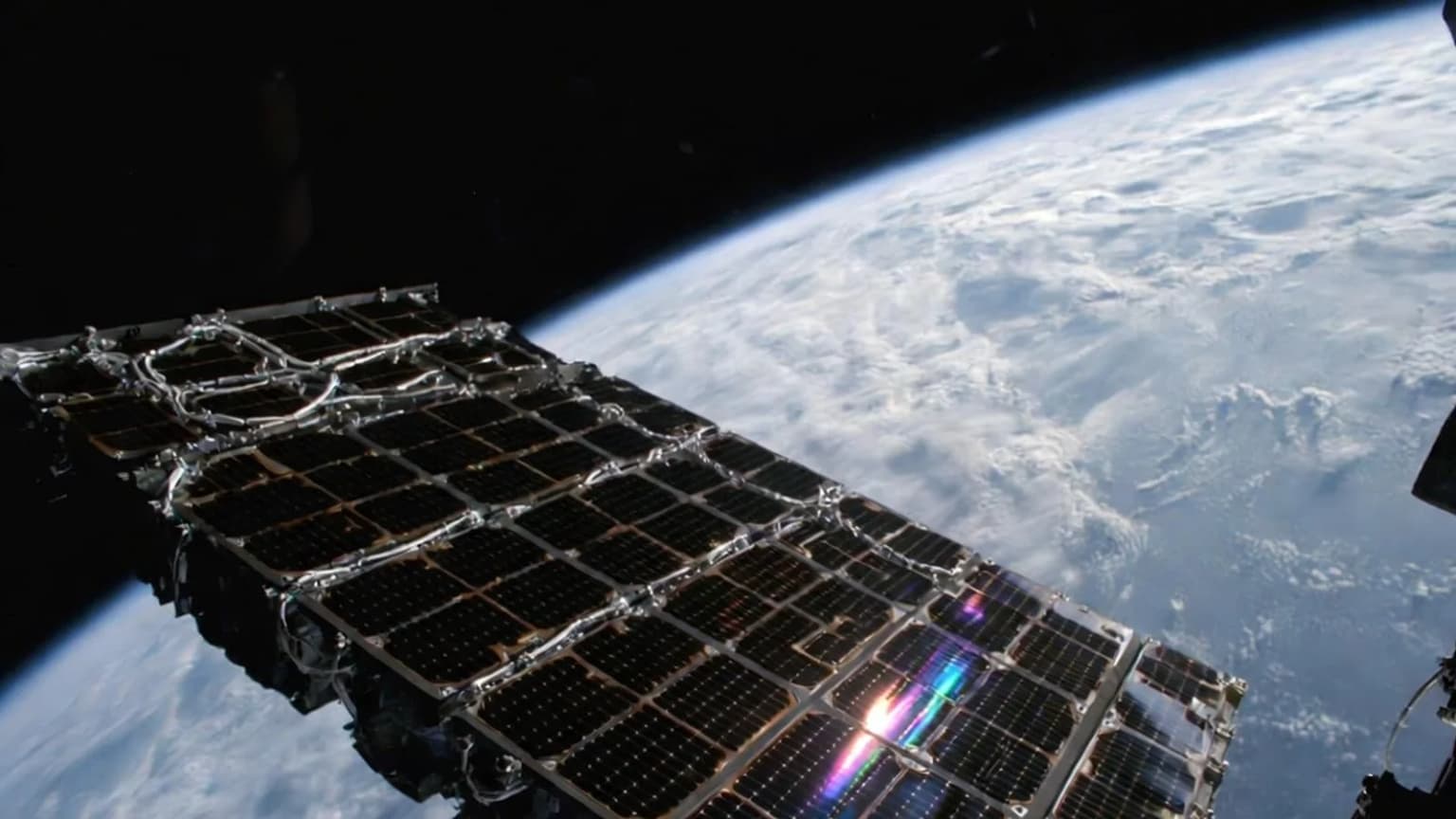
China's Shenzhou-23 manned spacecraft is delivering nine critical scientific experiments to the country's orbital station. As part of this mission, a dynamic experiment on the use of perovskite solar cells is planned for the first time on the Chinese space station. The study will test two types of materials: single-junction perovskite and tandem solar cells. This is reported by Ixbt.com .
Tsang Huaisin, a researcher at the Space Technology Center of the Chinese Academy of Sciences, explains that this experiment will allow for the study of the properties of perovskite materials and their failure mechanisms under extreme conditions. This will help create highly efficient, low-cost, and lightweight photovoltaic technologies for future low-orbit satellites, deep space exploration, and lunar bases.
Another important part of the program is the first-ever experiment to continuously grow rice for two generations in orbit. This agrotechnology aims to harvest twice in succession from the same area during a single vegetation period. Additionally, samples such as nanozymes and actinomycetes will be studied as part of a five-month exposure to open space.
Nanozymes are artificial enzymes made from nanomaterials, while actinomycetes are unique bacteria that synthesize natural antibiotics. The total weight of all samples and equipment delivered to orbit is approximately 54 kilograms. These studies will be a significant step in producing vital resources and forming new energy systems in space.