Chinese scientists boost solar panel efficiency to 33 percent
Chinese scientists have taken a giant leap in creating next-generation solar panels: they have successfully developed a perovskite-silicon solar cell with an efficiency (PCE) exceeding 33 percent. The project involved experts from the Ningbo Institute of Materials Technology and Engineering (NIMTE) under the Chinese Academy of Sciences, Suzhou and Taizhou universities, and S.C Exact Equipment Co. This is reported by Ixbt.com reports.
The core idea of the technology is to combine a standard silicon base with a perovskite layer. Such "tandem" solar cells are considered the future of energy, as they allow for significantly more energy generation from the same area compared to traditional silicon panels. For a long time, the main problem with such cells was related to the construction of the silicon base.
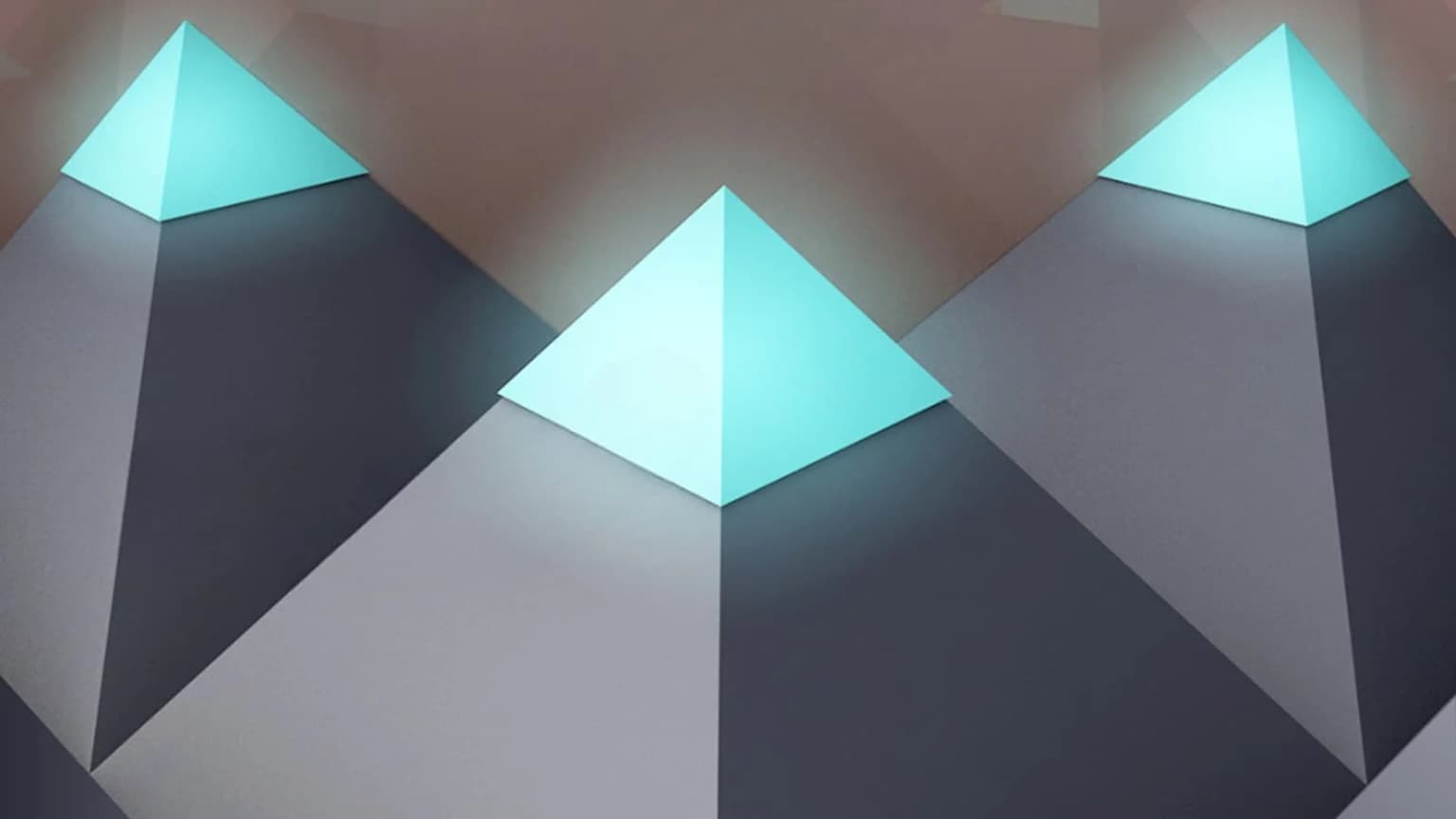
To better capture light, the silicon surface is textured and covered with microscopic "pyramids." However, the perovskite layer would lie unevenly on the tips of these structures, leading to current leakage and reduced stability. Chinese researchers solved this problem using a "selective passivation" method. Using polystyrene spheres, an ultra-thin protective layer of aluminum oxide was applied to the tips of the silicon pyramids.
As a result, record-breaking efficiency was achieved. For comparison, the efficiency of standard mass-produced panels is around 20–23%, while the best commercial solutions reach 24%. The new battery also showed good results in terms of durability: after 1000 hours of continuous operation, its efficiency remained at 90%. Most importantly, this technology is compatible with existing industrial lines, meaning manufacturers do not need to completely rebuild their factories.