Outcomes and Key Agreements of Vladimir Putin's Visit to China
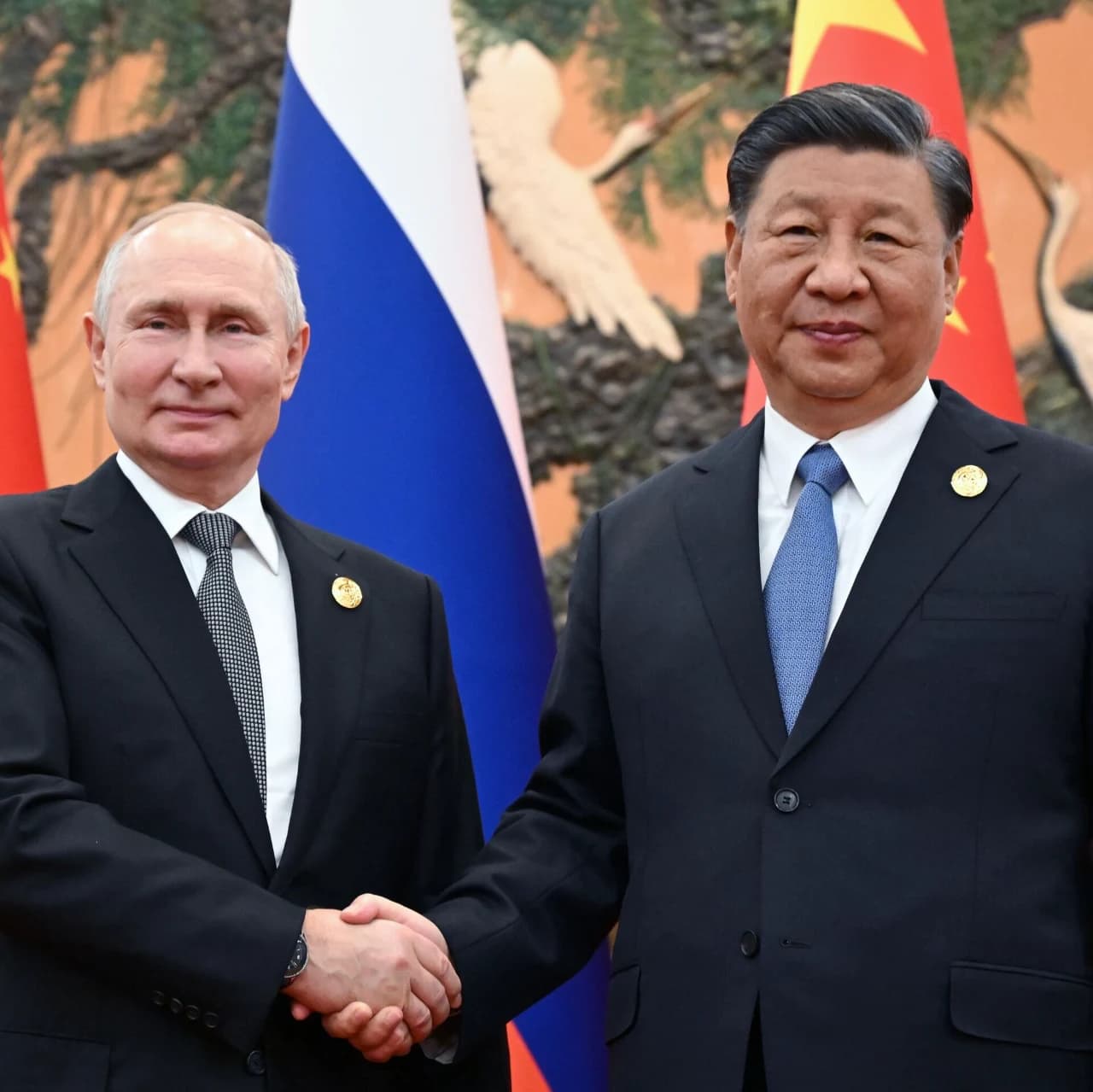
The two-day productive official visit of Russian President Vladimir Putin to the People's Republic of China has concluded. The Russian leader successfully finished high-level meetings in Beijing and departed for Moscow. During this visit, a total of 42 important documentswere signed, including a joint statement on deepening the comprehensive partnership and strategic cooperation, which brings bilateral relations to a new level.
Three-hour negotiations and the 'three autumns' proverb
According to the RIA Novosti news agency, the most important and intense part of the state visit program fell on May 20th. This historic day began at the famous Tiananmen Square with a ceremonial cannon salute in honor of the Russian leader.
Following this, official negotiations between Chinese President Xi Jinping and Vladimir Putin began. The discussions started in a narrow format where sensitive issues were addressed, then continued in an expanded format with official delegations, lasting nearly three hours. During the meeting, Putin addressed Xi Jinping with a warm tone, calling him 'my dear friend,' and quoted a famous Chinese proverb expressing closeness: “Not seeing each other for one day is like three autumns passing.”.
Substantial delegation: Russian elite in Beijing
The fact that Moscow prepared very seriously for this visit was evident from the composition of the delegation that went to Beijing. Accompanying the President to China were five Deputy Prime Ministers, eight ministers, the head of the Central Bank, and leaders of the largest state corporations and key regions.
Among them were the following most influential figures:
Government and financial representatives: First Deputy Prime Minister Denis Manturov, Foreign Minister Sergey Lavrov, Finance Minister Anton Siluanov, and Central Bank Chair Elvira Nabiullina;
Owners of giant corporations: Alexey Miller (Gazprom), Igor Sechin (Rosneft), German Gref (Sberbank), and Andrey Kostin (VTB).
Trade turnover increased 30-fold and a new declaration
One of the most significant results of the summit was the adoption of a joint declaration by the parties on shaping a multipolar world and a new type of international relations. It was also decided to extend the historic 'Treaty on Good-Neighborliness, Friendship and Cooperation,' which marks its 25th anniversary this year.
In his speech, Vladimir Putin noted with satisfaction that over the past quarter-century, the volume of mutual trade between the two neighboring countries has increased more than 30-fold and has remained stable for several years at a level above $200 billion. Xi Jinping, for his part, added that in the first four months of the current year 2026, mutual trade turnover has increased by another 20 percent.
At the end of the official negotiations, a grand opening ceremony for the 'Year of Education' took place in both countries. In the evening, the leaders continued their conversation in a cozy atmosphere over traditional tea. According to presidential aide Yuri Ushakov, this informal meeting covered the Ukrainian crisis, the war in the Middle East, and complex relations with the USA.
Sign of openness: Trump's visit and extension of the visa-free regime
One of the most pleasant and practical pieces of news for Russian guests was the extension of the mutual visa-free regime until December 31, 2027. Initially, the Beijing government announced its decision, and Moscow will introduce a similar measure in response. According to reports, during the period this agreement has been in effect, 2 million tourists and citizens from China have visited Russia, and about 1 million from Russia have visited China.
Furthermore, outside the official agenda, Putin met with 36-year-old Chinese engineer Peng Pai at the Diaoyutai State Guesthouse. Interestingly, they first met by chance 26 years ago—in July 2000, during Putin's first state visit to China—at Beihai Park in Beijing, where they took a photo together. Later, Peng Pai studied in Moscow and is currently working as an engineer in his homeland, Hunan province.
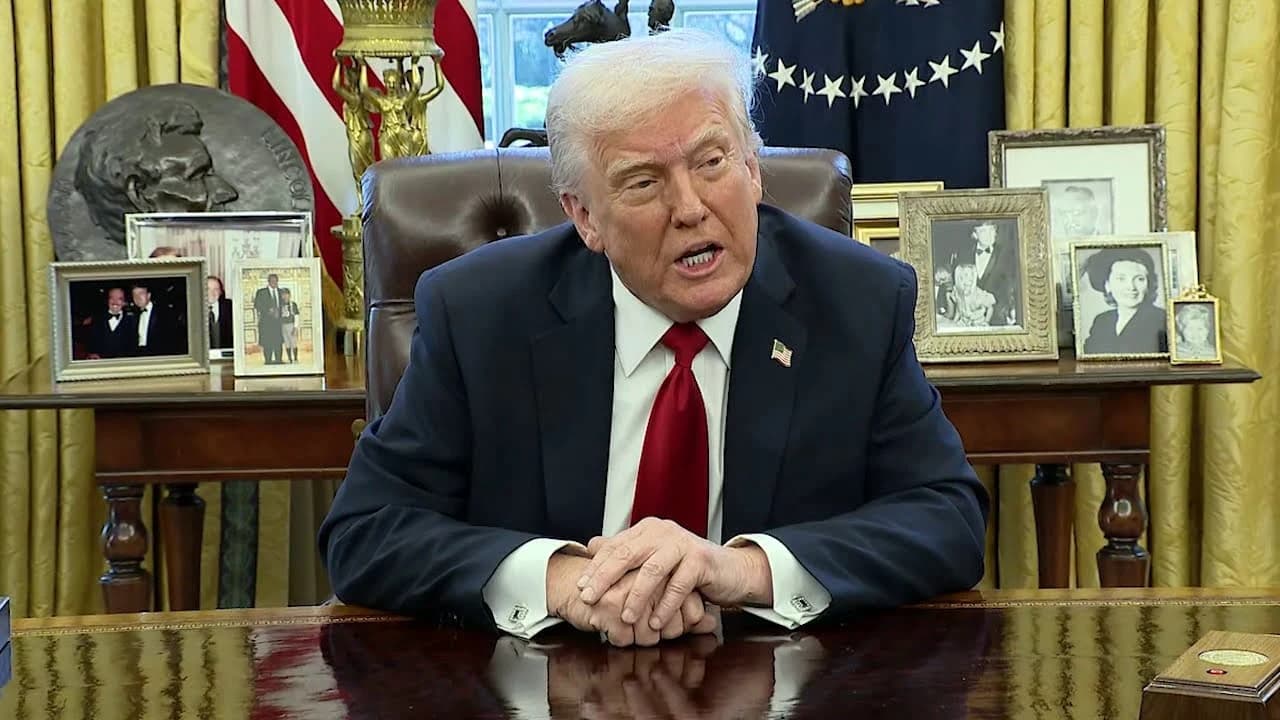
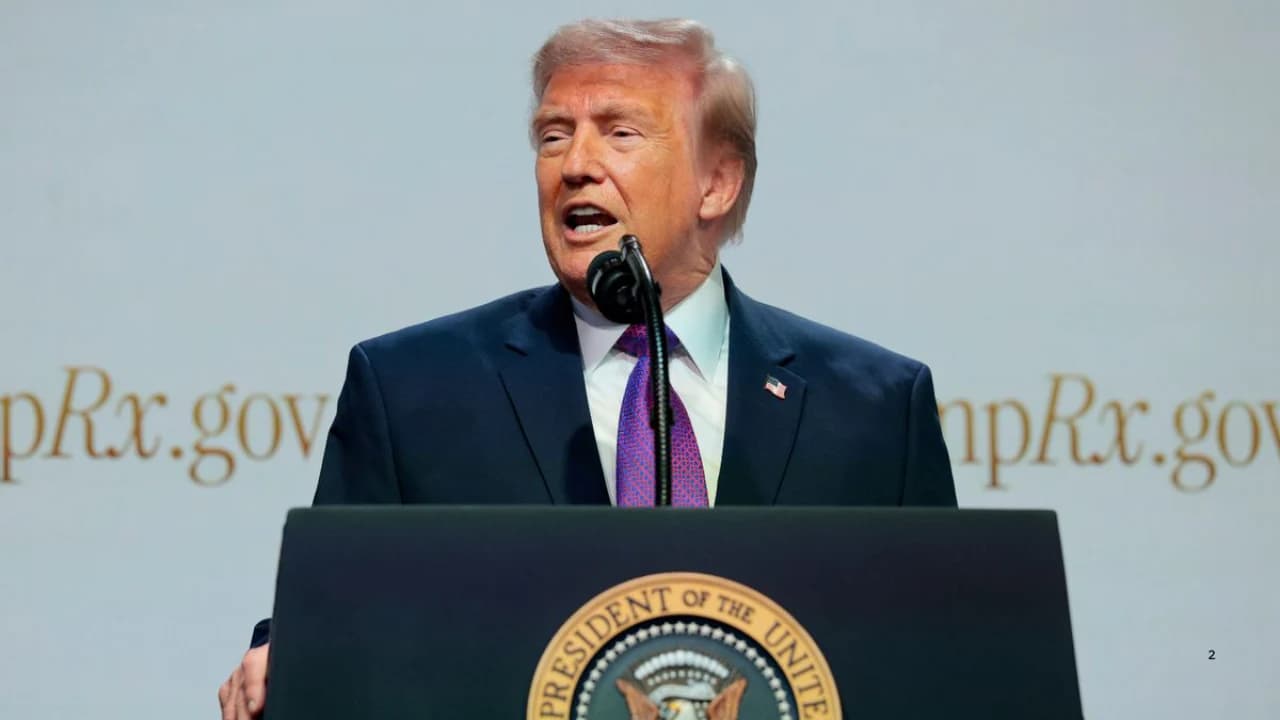
Notably, Putin's visit to Beijing took place just one week after US President Donald Trump's trip to China, which ended on May 15. After his visit, Trump emphasized that Xi Jinping had personally promised him not to supply weapons to Iran. However, the Russia-China summit held a week later once again demonstrated Beijing's commitment to its own independent strategic path on the international stage.
In your opinion, to what extent does the consecutive arrival of Trump and Putin in Beijing strengthen China's position as a chief mediator in world politics?