Putin fails to reach agreement with China on Power of Siberia 2
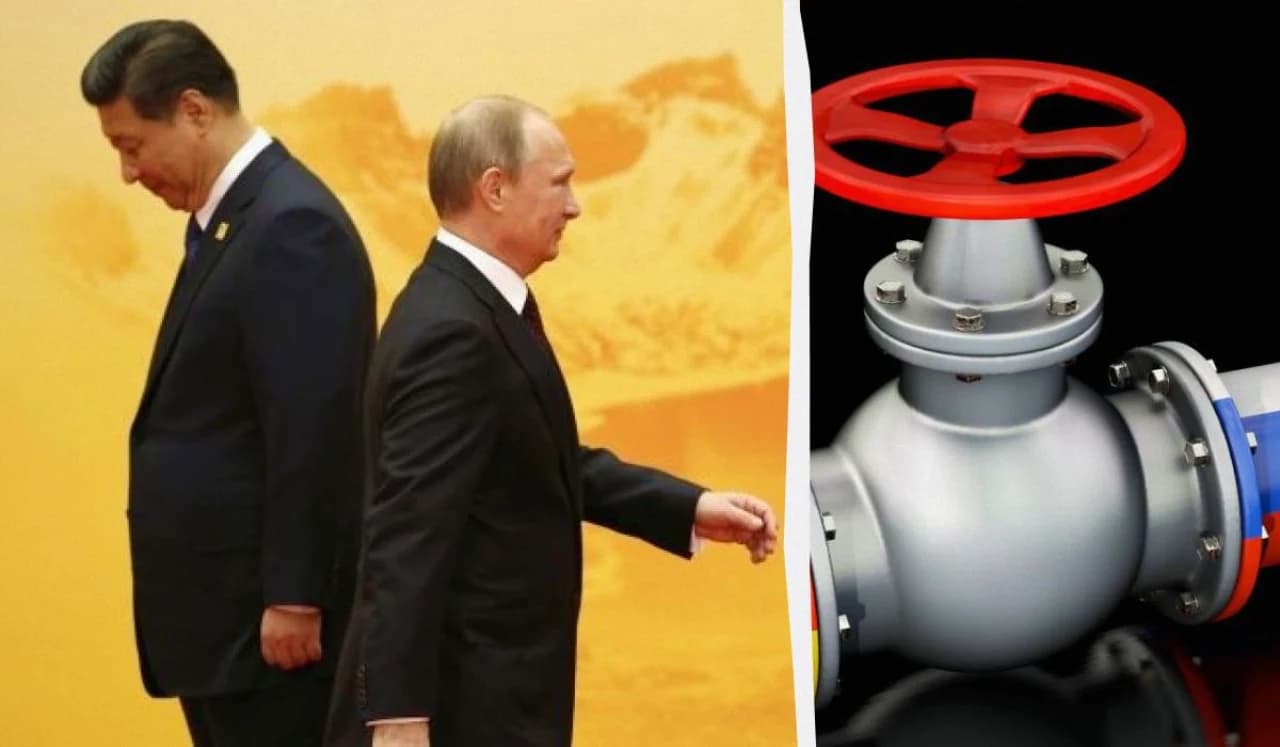
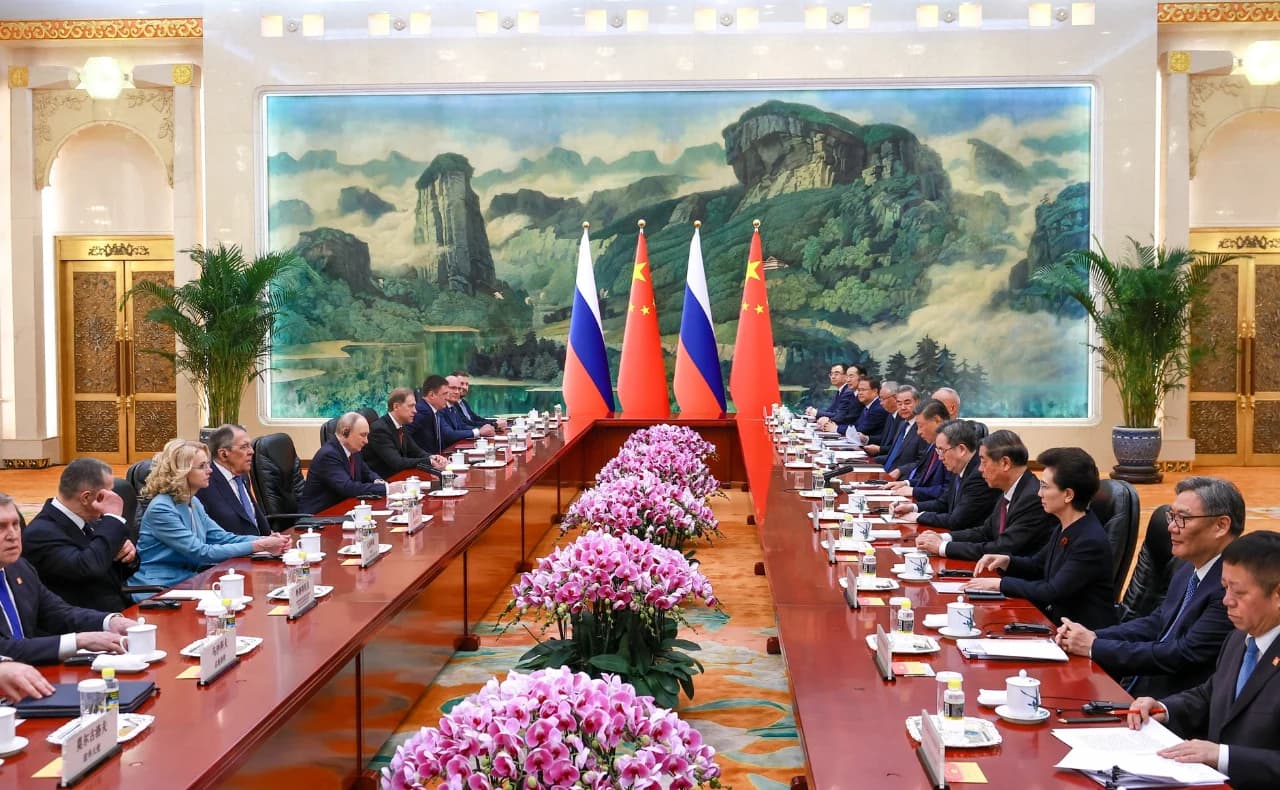
Russian President Vladimir Putin has concluded his fifth official visit to China since the start of military operations in Ukraine, and his 25th overall during his political career. While this high-level meeting clarified many geopolitical and economic issues, it did not provide the long-awaited final agreement on the construction of the Power of Siberia 2 gas pipeline, which is vital for Moscow.
10 years of negotiations and unresolved 'delicate aspects'
This major megaproject, which aims to increase Russian gas supplies to the Chinese market to 100 billion cubic meters per year, has been under discussion between the two countries for over a decade. Kremlin spokesman Dmitry Peskov admitted at the end of the closed-door talks between Putin and Chinese President Xi Jinping that there are still unresolved issues regarding the project.
'At the moment, some very delicate aspects need to be fully resolved. A general consensus has been reached on the main technical parameters of the future gas pipeline and its geographical route. However, there is still no firm and definitive agreement on the timelines for the practical implementation of the project,' Peskov explained.
When asked by journalists about the timelines, the spokesman replied: 'There is no clarity on this yet. In any case, this is a trade secret. Nevertheless, the results achieved are a great success.'
A massive delegation and an unsigned energy contract
Vladimir Putin brought a very high-level official delegation with him to Beijing. It included 5 Deputy Prime Ministers, 8 ministers, and the heads of major state corporations that are pillars of the Russian economy, such as Gazprom and Rosneft. During the talks, the Russian leader spoke about the 'infinite prospects' of cooperation between the two countries and promised Beijing 'uninterrupted' exports of oil, coal, and natural gas.
At the end of the summit, 40 important documents were signed between officials of the two countries in various fields. However, a careful examination of the list officially announced by the Kremlin revealed that none of them provided for the construction of the Power of Siberia 2 pipeline or a new strategic partnership in the oil and gas sector. This indicates that the Chinese side still maintains a firm position on gas prices or project terms.
The current role of Russian gas in the Chinese market
Currently, China buys 38 billion cubic meters of natural gas from its northern neighbor annually. This figure accounts for nearly half of the total exports to non-CIS countries by Gazprom, which lost the European market due to the war. In general, Russia's current global gas exports are approaching the lowest levels seen since the late 1980s.
By the end of the current decade (2030), the Russian government plans to increase gas supplies to China by another 47 percent, reaching 56 billion cubic meters per year. This goal is expected to be achieved through an additional 12 billion cubic meters via the Far East route and by expanding the capacity of the existing Power of Siberia 1 pipeline (6 billion cubic meters). However, the fate of the Power of Siberia 2 project, which was expected to fully replace the European market, remains unknown.
Why do you think China is delaying the signing of the Power of Siberia 2 gas pipeline contract, and what should Russia do in this situation?