Record-breaking 19-day solar radio burst recorded
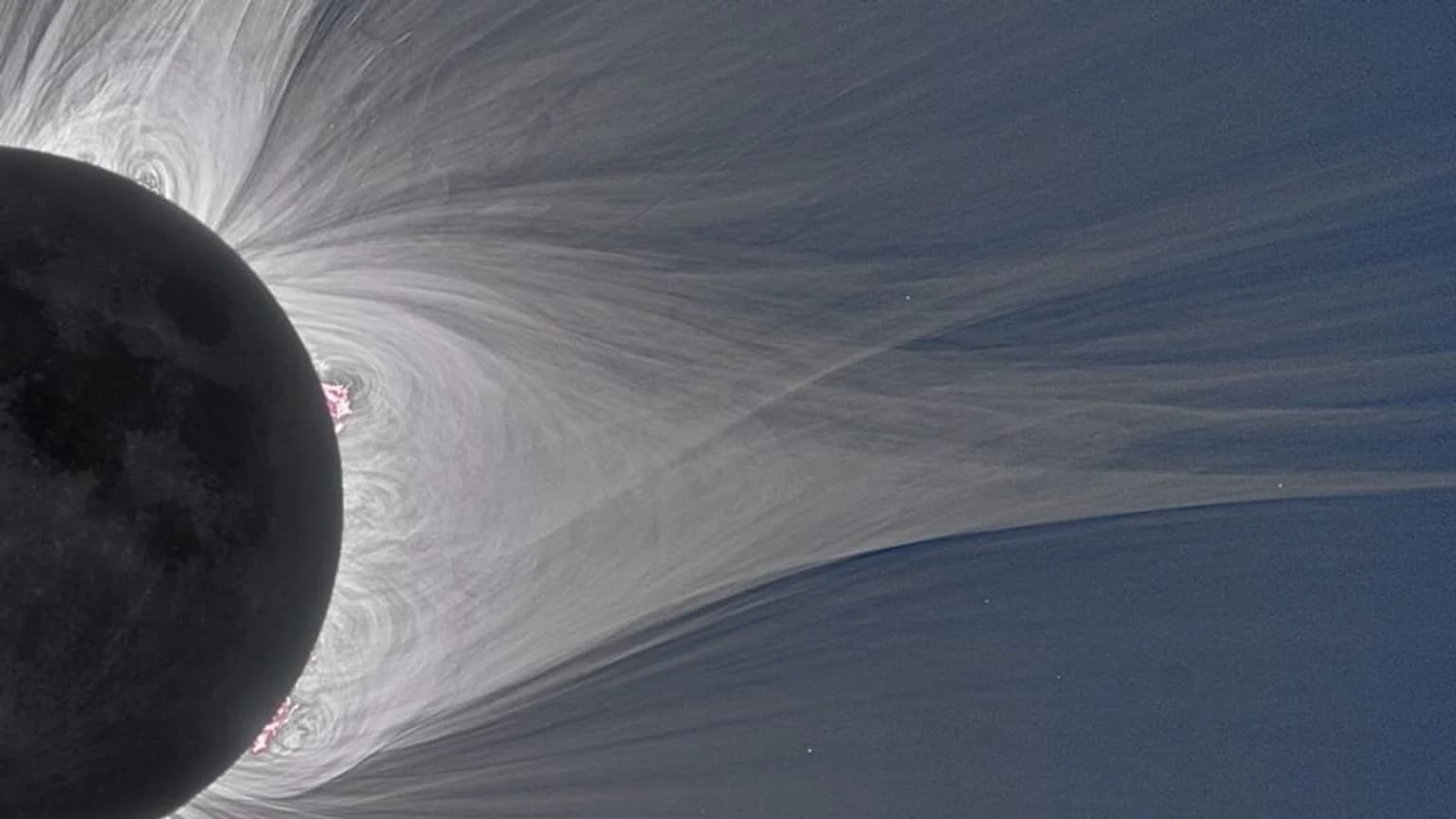
Scientists have detected a solar radio burst of unprecedented duration. The phenomenon lasted for 19 consecutive days, becoming the longest signal in the history of observations. Typically, such radio waves last from a few hours to a few days, but this time the radiation maintained its intensity for nearly three weeks. This is reported by Ixbt.com reports .
The signal was first registered on August 21, 2025, as a typical solar radio burst. However, contrary to expectations, this energy flow did not fade and was recorded by four missions from NASA and ESA. Initially, the Solar Orbiter spacecraft, then the Parker Solar Probe, the Wind satellite, and finally the STEREO-A cubesat managed to fully observe this process.
According to astronomers' classification, this event belongs to Type IV solar radio bursts. Such emissions occur when electrons become 'trapped' in giant magnetic loops in the solar corona. Researchers believe the anomalous duration was caused not by a single flare, but by three consecutive coronal mass ejections occurring in the exact same region of the Sun.
Although these radio waves pose no direct threat to Earth, such processes are accompanied by intense solar activity that can affect the operation of satellites, communication systems, and spacecraft. Therefore, these observations are of great importance for forecasting space weather and protecting orbital infrastructure.