Buyer in Tashkent loses $20,000 after trusting seller
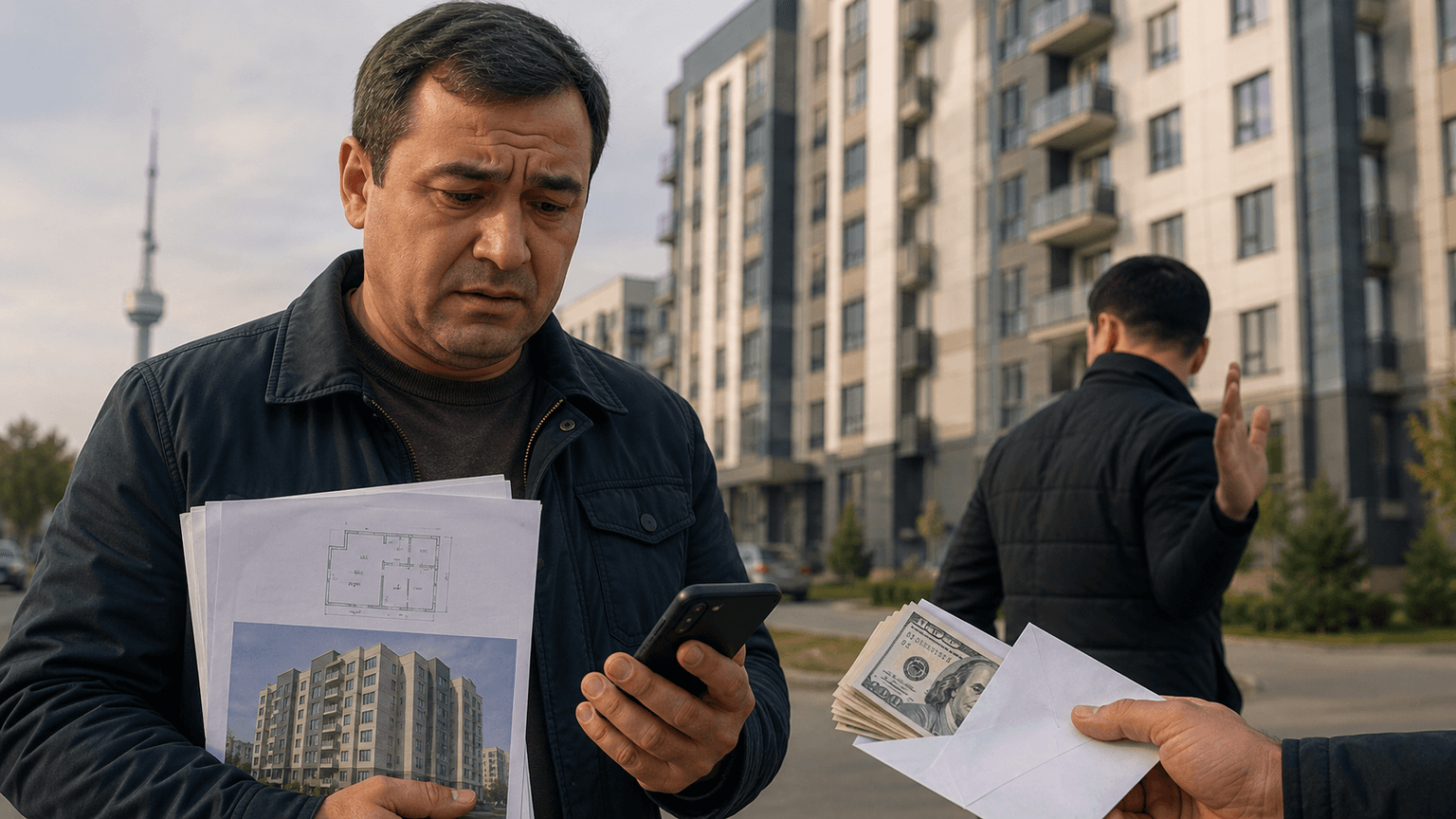
Another case of fraud related to real estate transactions has been uncovered in Tashkent. In the Yakkasaroy district, a buyer trusted a seller and provided a $20,000 deposit, but the property registration process never took place.
Following this incident, the Investigation Department of the Yakkasaroy District Internal Affairs Body initiated a criminal case against 66-year-old Sobirjon R. under Article 168 of the Criminal Code, which covers 'Fraud'.
According to investigation data, in February 2025, the suspect agreed to sell the house for $55,000. The buyer trusted the seller's word and gave him a $20,000 deposit. However, the seller subsequently stopped responding and refused to finalize the deal through a notary.
The most serious aspect is that this was not just a few days of misunderstanding. It is reported that the seller avoided going to the notary for a year. The buyer was left without the house and lost the money provided.
Real estate transactions involve significant funds. Therefore, relying solely on verbal promises or a 'word of honor' in such agreements poses a major risk. This incident once again demonstrates that while trust is good, documentation is more reliable.
Law enforcement agencies remind citizens that any financial transaction, especially deposits for real estate, must be formalized through a notary. Money given without notarized documentation can lead to major problems later.
Experts emphasize that when buying a house, it is essential to first check property documents, verify the seller's actual ownership rights, and carry out all agreements through official channels. Otherwise, there is a risk of losing years of savings due to a lack of a signature.
In short, a buyer in Tashkent trusted a seller, paid a $20,000 deposit, and became a victim of fraud. A criminal case has been initiated. The conclusion from this event is simple: in real estate, trust is good, but paying money without a notary is a financial gamble.