OpenAI makes it easier to identify AI-generated images
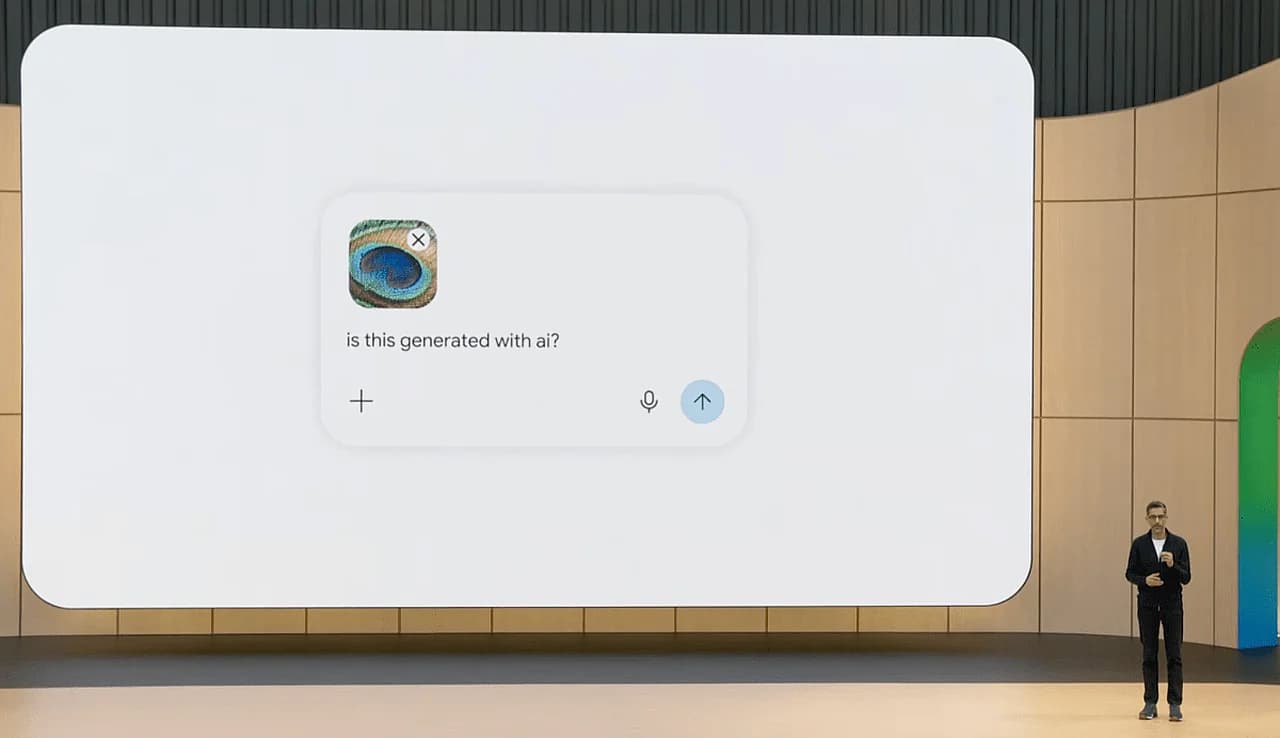
As AI image generation tools become more popular and sophisticated, verifying the authenticity of an image has become harder than ever. On Tuesday, OpenAI announced two new measures to combat this problem. The company has joined an open standard called C2PA, which adds a clear label to metadata indicating that an image was created by AI. This is reported by Techcrunch.com .
OpenAI is also implementing an invisible watermark called SynthID in collaboration with Google. While harder to detect, this mark is very difficult to remove, even if malicious actors try to hide their tracks. The new protections currently only apply to images created via OpenAI products and do not affect content from other tools.
Additionally, OpenAI is introducing a public verification tool that allows users to check both signals. This enables users to easily test whether an image was created using AI. Initially, this tool will only apply to OpenAI products, but the company plans to expand it to cover other platforms in the future.
Founded in 2021, the C2PA coalition is a non-profit organization dedicated to reducing the negative impact of AI images on social environments. Although the C2PA standard has been adopted by Google products, its industry-wide implementation is not yet uniform. Since metadata can be altered, using it alongside more robust systems like SynthID is considered more effective.
The SynthID watermark, developed by Google, is designed to persist even after screenshots, resizing, or digital manipulations. OpenAI notes that while watermarks are resistant to transformations, metadata provides more context. Together, these two systems create a more robust layer of protection for identifying image provenance.