“Eternal” batteries are near: Japanese scientists extended battery life by 400 times
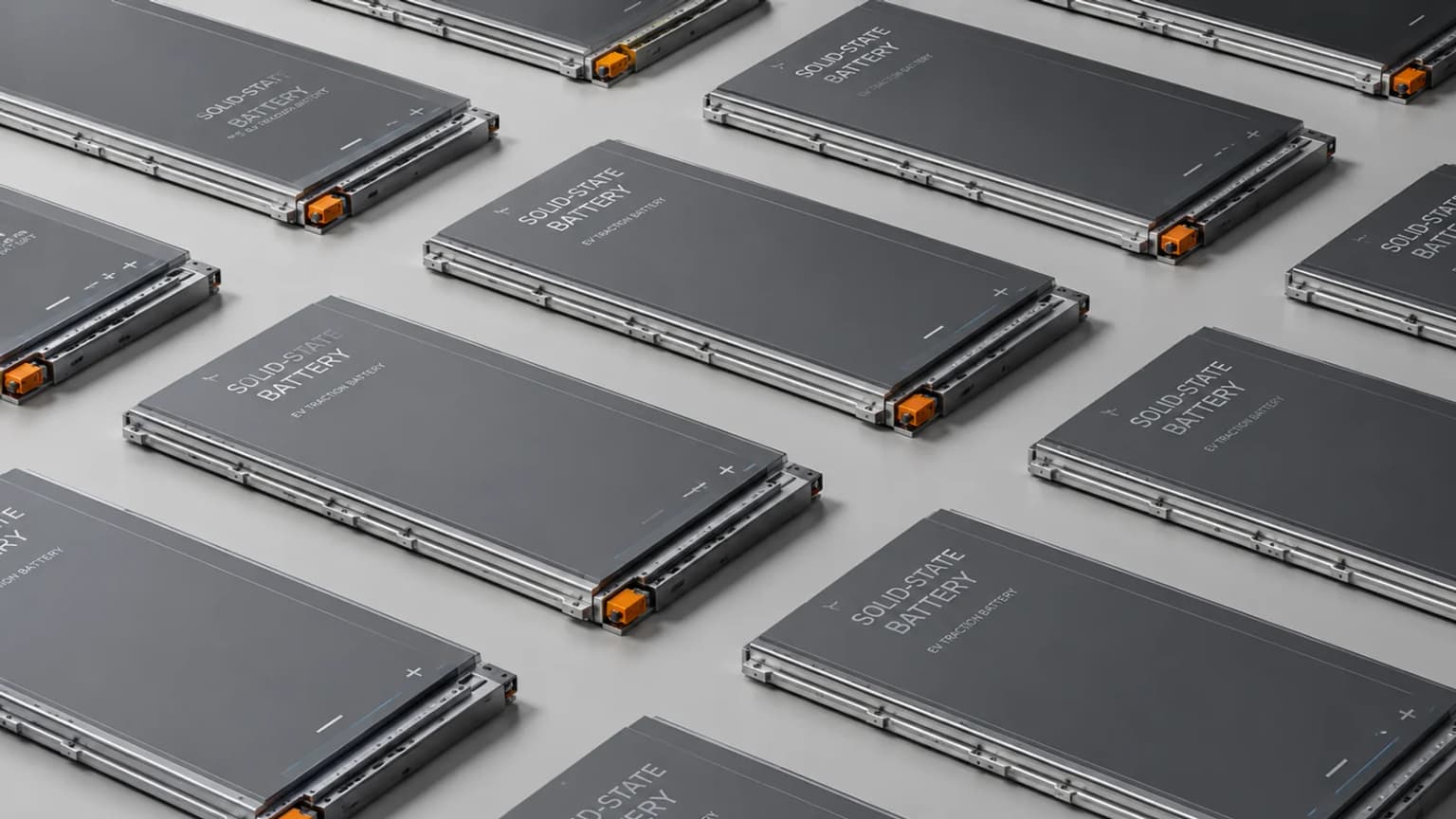
Researchers at Tohoku University in Japan have developed an innovative technology that significantly increases the durability and stability of solid-state magnesium batteries. Due to their safety and low raw material costs, such batteries are considered the most promising alternative to current lithium-ion analogs. This is reported by Ixbt.com reports .
Until now, the mass adoption of magnesium batteries has been hindered by unwanted chemical reactions at the interface of internal components. These processes quickly shortened the device's lifespan. However, experts led by Professor Hao Li discovered that it is not necessary to completely eliminate these reactions, but rather to control them properly to accelerate ion conductivity.
To implement the idea, the scientists created a special anode made of a magnesium-tin (Mg-Sn) alloy. The new architecture provided a perfect balance between chemical reactivity and conductivity: magnesium ions began to move more smoothly, and deposition occurred uniformly during charging and discharging.
During tests, the optimized Mg-Sn alloy showed stable operation for over 1300 hours. Most importantly, the cyclic resource (full charge and discharge) of this alloy turned out to be 400 times higher than that of pure magnesium. This indicates a colossal increase in battery service life.
The success of the Japanese physicists offers a new strategy for the entire energy storage industry. Solid-state batteries eliminate fire risks and increase energy density because they use solid material instead of flammable liquid electrolytes. The authors note that this method can also be successfully applied in designing other types of future batteries.