Fake tax letters pose a serious threat to entrepreneurs
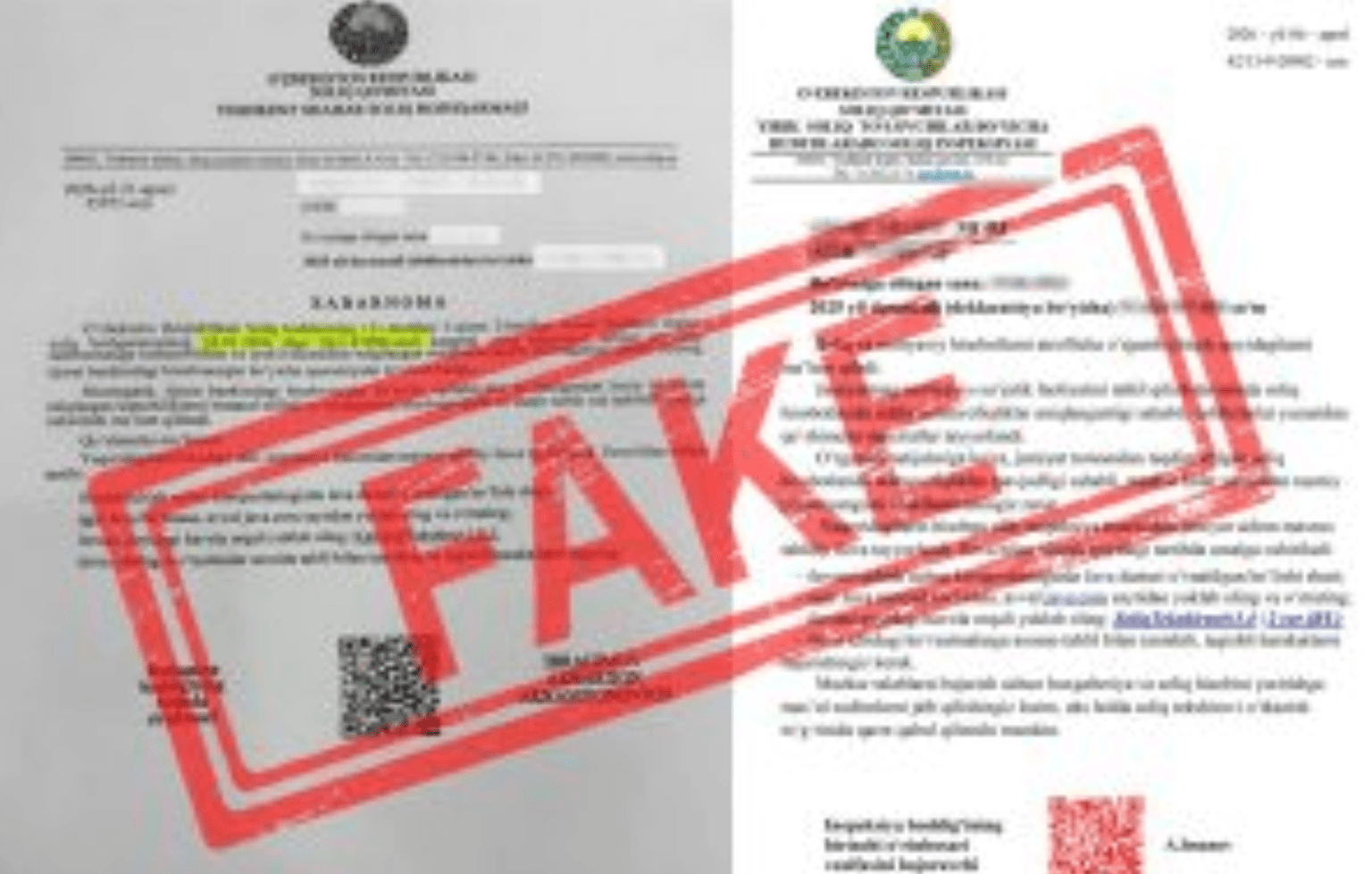
In Uzbekistan, there is an increase in new types of cyber fraud targeting entrepreneurs and legal entities. The Tax Committee has warned citizens and business representatives that criminals are distributing fake letters disguised as tax inspectors.
According to reports, fraudsters are creating the appearance of sending official messages on behalf of the inspectorate for large taxpayers. Such letters often threaten entrepreneurs with "audits," "tax debts," "fines," or other administrative measures. The goal is simple: to rush and intimidate the person into opening a malicious link or file.
The Tax Committee emphasizes that such phishing letters can install malicious software. In some cases, files in APK, ZIP, or PDF formats are attached. If an entrepreneur downloads and opens such a file, there is a risk of virus infection, theft of bank details, logins, passwords, and other personal information.
Fraudsters often use language similar to that of official agencies. The letter may demand immediate action regarding a tax audit, fine, or account blocking. This is a form of psychological pressure, as entrepreneurs may feel rushed and click links or download files without verification.
Therefore, the Tax Committee strongly advises against clicking on suspicious links. Opening files from unknown addresses, especially APK, ZIP, and PDF files, can be dangerous. Even official-looking letters are not always genuine — fraudsters have become adept at copying designs and styles.
Legal and official tax notifications are sent only my3.soliq.uz via the personal cabinet on the portal. Thus, entrepreneurs should verify any important tax-related news exclusively through their official personal cabinet. Making decisions based on suspicious messages received via email or messengers is dangerous.
Furthermore, one should never enter SMS codes, logins, passwords, bank card details, or digital signature information on external sites. No official agency will ever require a citizen or entrepreneur to enter confidential information via a suspicious link.
Experts advise not to rush in such situations, to verify the source of the message, and to rely only on information from the Tax Committee's official channels. If a letter contains threats, pressure, or demands for "immediate action," it is highly likely to be fraud.
In short, fake tax letters are becoming a real threat to entrepreneurs today. Even if a document looks official, one should not blindly trust links and files. The strongest defense in cybersecurity is vigilance. Opening a single suspicious file can lead to the loss of both bank funds and business data.