Low-risk businesses in Uzbekistan will be exempt from inspections

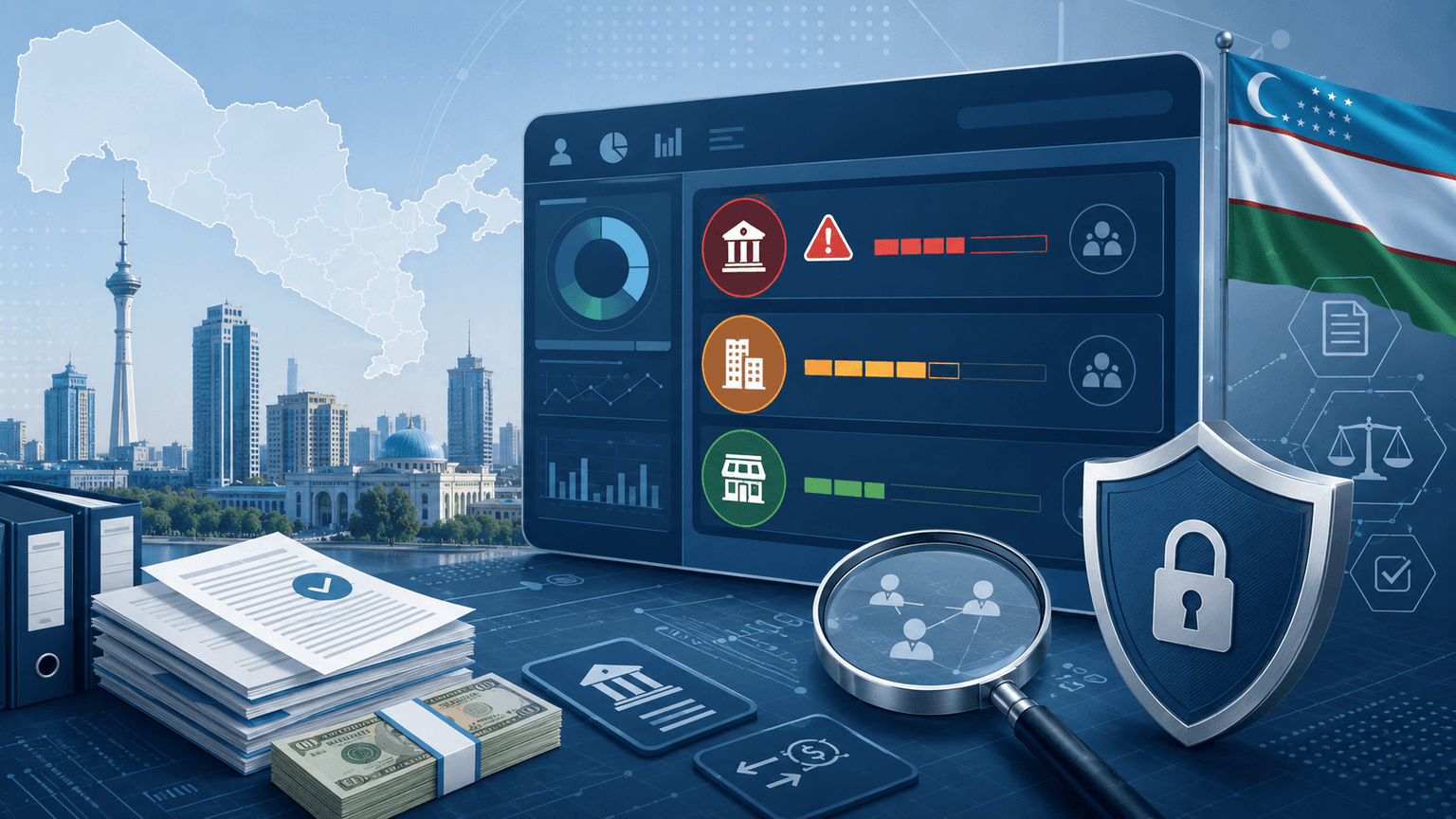
Uzbekistan plans to introduce a new electronic system for monitoring business activities in technical regulation, standardization, metrology, and conformity assessment. The new procedure aims to evaluate business entities based on risk levels and organize inspections accordingly.
According to the draft regulation, business entities will be evaluated via a special scoring system. Enterprises will be categorized as 'high', 'medium', or 'low' risk. Instead of a uniform approach, an individual strategy will be applied based on their activity, history, complaints, and other data.
The evaluation process will consider statistical data, complaints from citizens and organizations, media reports, and other open sources. This allows regulatory bodies to identify which sectors or entities pose a higher risk in advance.
One of the most important aspects of the new system is that regulatory bodies will not interfere with the activities of business entities deemed low-risk. No inspections will be conducted at such enterprises, providing significant relief for compliant businesses.
For entities categorized as high or medium risk, preventive measures will be implemented. Before an inspection, entrepreneurs will be given the opportunity to correct shortcomings and comply with legal requirements. This approach emphasizes explanation and prevention over punishment.
If hazardous conditions persist after preventive measures, an inspection may be initiated. Consequently, inspections will no longer be random or mass-scale, but will be carried out only when there is a clear risk and justification.
At the same time, inspections without prior preventive measures are permitted in cases where there is a real threat to human life, health, public safety, or the environment. This is natural, as wasting time in such situations could exacerbate the risk.
This system serves to reduce excessive pressure on entrepreneurs, increase transparency in control processes, and focus resources on areas with high risks. Simply put, the goal is to avoid disturbing honest businesses while taking timely measures where problems exist.
In short, the new electronic system aims to make control in the business environment smarter and fairer. Low-risk enterprises are protected from inspections, while high-risk subjects are regulated through prior prevention. This is the right formula for business: peace for the honest, and targeted control for those posing risks.