Will the depiction of cotton and wheat on the Uzbekistan coat of arms be reconsidered?
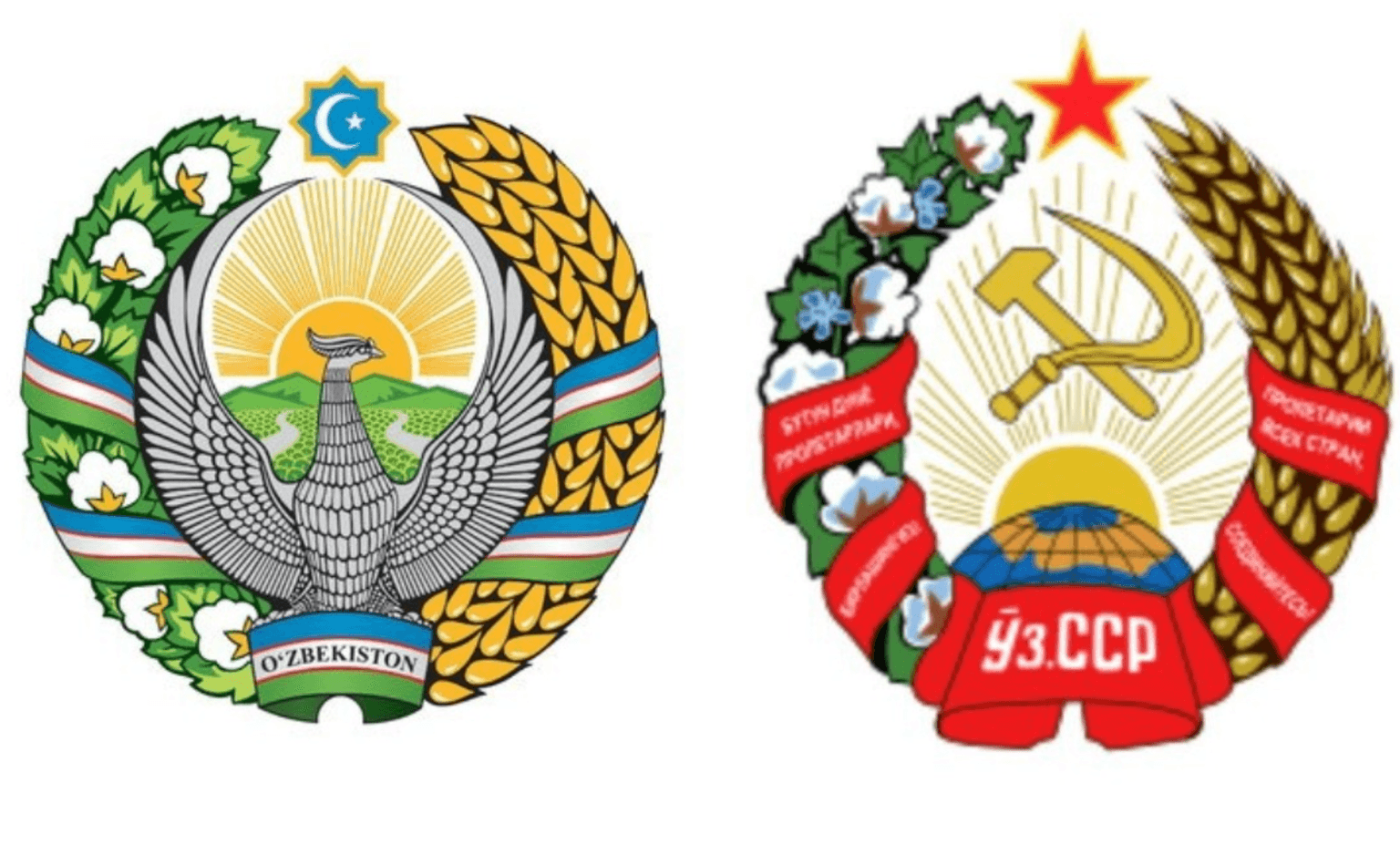
Another discussion has emerged surrounding Uzbekistan's state symbols. Senator Kudratilla Rafikov expressed his opinion on the country's current state coat of arms and proposed reconsidering the depictions of cotton and wheat on it.
According to the senator, the retention of cotton and wheat on the coat of arms recalls ideological ties to the Soviet era. He noted that while these agricultural crops once held an important place in the state's economy and political views, today's development of Uzbekistan is much broader, modern, and takes on new meaning.
In his article, Rafikov noted that the depictions of cotton and wheat on the coat of arms reflect the political doubts, anxieties, and the mood of the transition period in the 1990s. In his view, the symbolic approaches formed in the early years of independence can be re-evaluated in line with today's reforms, the new statehood mindset, and the country's modern image.
The senator believes that state symbols should not just be a collection of historical signs, but should express the nation's current spirit, its vision for the future, and its path of development. In this sense, every image, symbol, and detail on the coat of arms must be understandable to society, modern, and carry a spiritually significant meaning.
It is undeniable that cotton and wheat have played a major role in the history of Uzbekistan. They have been accepted as symbols related to agriculture, labor, sustenance, and the life of the people. However, in Rafikov's opinion, state symbols should reflect not only the past but also Uzbekistan at a new stage.
It is natural for this proposal to spark various opinions in society. Some see cotton and wheat as symbols of national labor, prosperity, and productivity. Others may associate them with the one-sided agrarian policy of the Soviet era and the past. Thus, this issue is not just about design or imagery, but a broader debate about historical memory, national identity, and modern statehood.
In short, Senator Kudratilla Rafikov proposed reconsidering the depictions of cotton and wheat on the Uzbekistan state coat of arms. In his view, state symbols must correspond to the country's current stage of development. Now it is important how this idea is received by the public: symbols may change, but the meaning behind them must remain close to the heart of the people.