


Behind RFU optimism lies not a return but a long wait
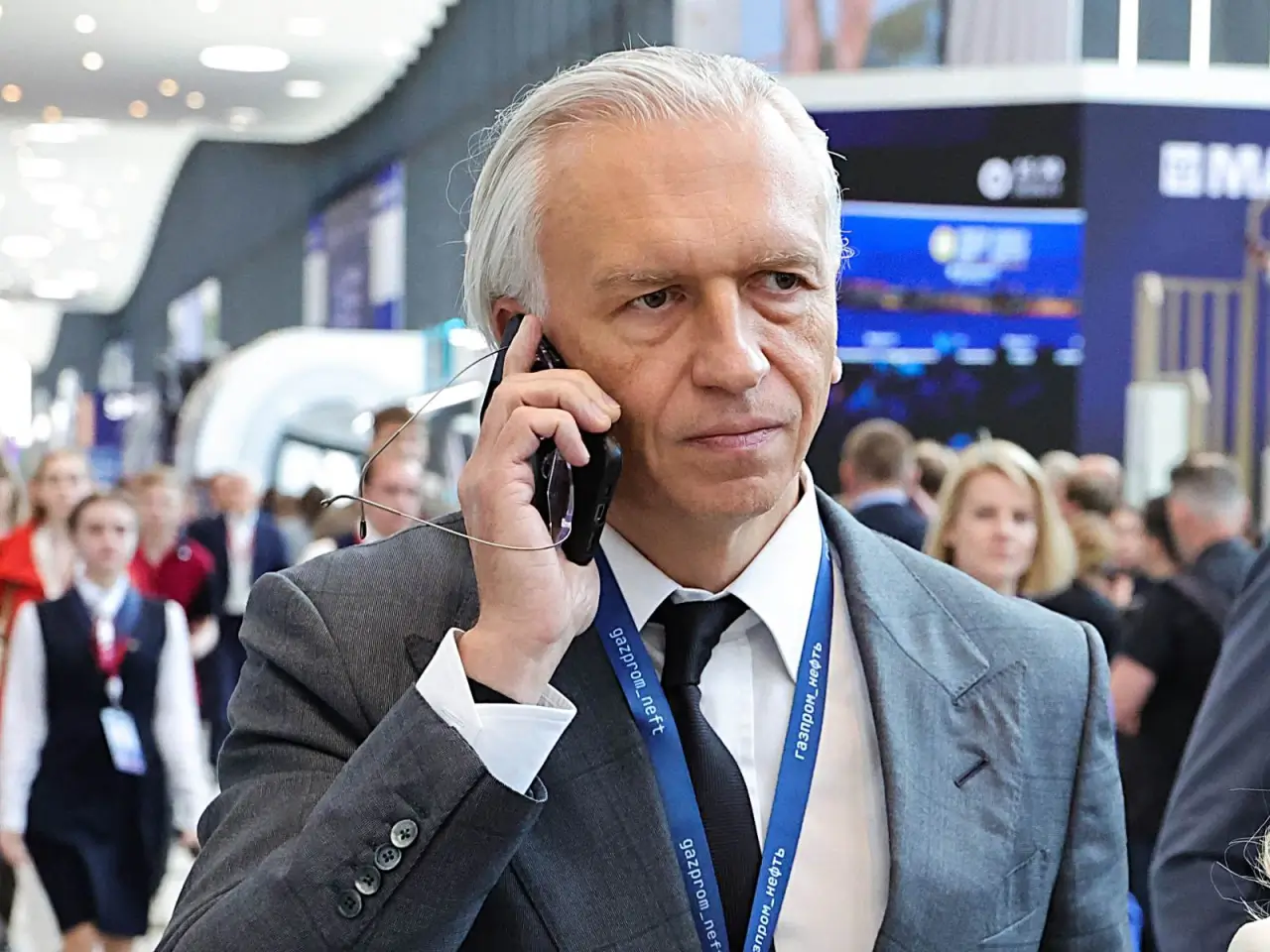
RFU President Aleksandr Dyukov insists that Russian football’s return to the international stage is supposedly inevitable: the IOC has paved the way, some federations are slowly opening the door, and FIFA and UEFA are also assessing the process positively. The rhetoric is upbeat. But between a “positive assessment” and “practical permission” lies a distance as vast as three years of isolation. This is reported by euro-football.rureports.
Dyukov’s main thesis is this: next year, following the IOC, football regulators will also adopt decisions that allow Russian teams to take part in official competitions. The tone matters here: there are no guarantees, no agreements—only hope and assumptions. The difference is enormous.
The RFU chief cites the situation at the end of 2023: FIFA lifted restrictions on U-17 national teams. Yes, on paper it did. But where are those teams in practice? They still weren’t included in the draws, and the issue was frozen under the pretext that “no technical solution was found.” Two years have passed, and nothing has changed. Now we’re being told that this time it will be different.
Positive signals from Zurich and Nyon are nice to hear. But football is not judo or fencing: money, attention, and political pressure operate on a different scale. In football, every decision is measured not only by sport, but by big politics and communication calculations.
There is even a specific date: the Nations League draw will take place on February 12. The initial list includes 54 national teams—Russia is not among them. Applications are due by January 9, which is very soon. And at such a moment the RFU again says “we hope”: Dyukov believes a way will be found to include Russian teams in the next FIFA and UEFA draws.
The word “hope” is repeated again. And that is exactly what shows how fragile the foundation of today’s optimism is.
The December break also made the picture clear: FIFA held a council meeting in Doha and staged the Intercontinental Cup, yet the Russia issue did not make it onto the agenda in any practical way. Holidays and a packed calendar can be excuses. But if there were real political will, both time and a format would be found. As a result, the image that emerges is this: there is contact, there is dialogue, the assessments are “positive,” but there are no decisions.
According to the RFU, dialogue with international federations confirms a positive attitude toward the IOC recommendations. Fine. But a “positive attitude” is not action. That is exactly what happened with U-17: an assessment was given, and then the answer came back—“technically impossible.”
Dyukov is right about one thing: there is a general trend, doors are slowly opening, and the IOC sent a strong signal. But football is not at the forefront of this process—if anything, it is following behind. The reason is simple: football decisions are not made only in sports officials’ offices. Governments, sponsors, broadcasters, and public opinion all have a say, and every step is calculated “ten moves ahead.”
For example, could we see Zenit or Krasnodar in European competitions in the summer of 2026? In theory—yes. In practice, it comes with major conditions: where to host home matches, visa issues, a potential boycott by opposing clubs, security, and logistics. These are all obstacles clubs and federations have repeatedly faced before.
Dyukov says the RFU is doing everything it can—one can believe that. But is it enough? Three years ago, a move to the Asian confederation was discussed; now the RFU head argues that staying in UEFA was the only correct path. Maybe so, but the result so far is zero: three years in limbo, three years without international competition.
The most painful blow is to youth football. One generation of players is being left without international match experience—and that cannot be made up later. There are academy sessions and domestic league games, but nothing can replace international fixtures where the pressure is real and the stakes are real.
Dyukov’s optimism is understandable: he has to project it. But there is a huge gap between optimism and reality. 2026 could be the year of return—or just another year of waiting. For now, there is no clear plan, no clear mechanism, no clear date—only hope, assessments, and assumptions.
Russian football will, of course, return one day. The only question is when. In today’s picture, naming a precise timeline means either having secret information no one else has, or presenting wishful thinking as fact. Recent years’ experience calls for caution.


Comments 0
…