


Iran chose the path to peace through Pakistan and China
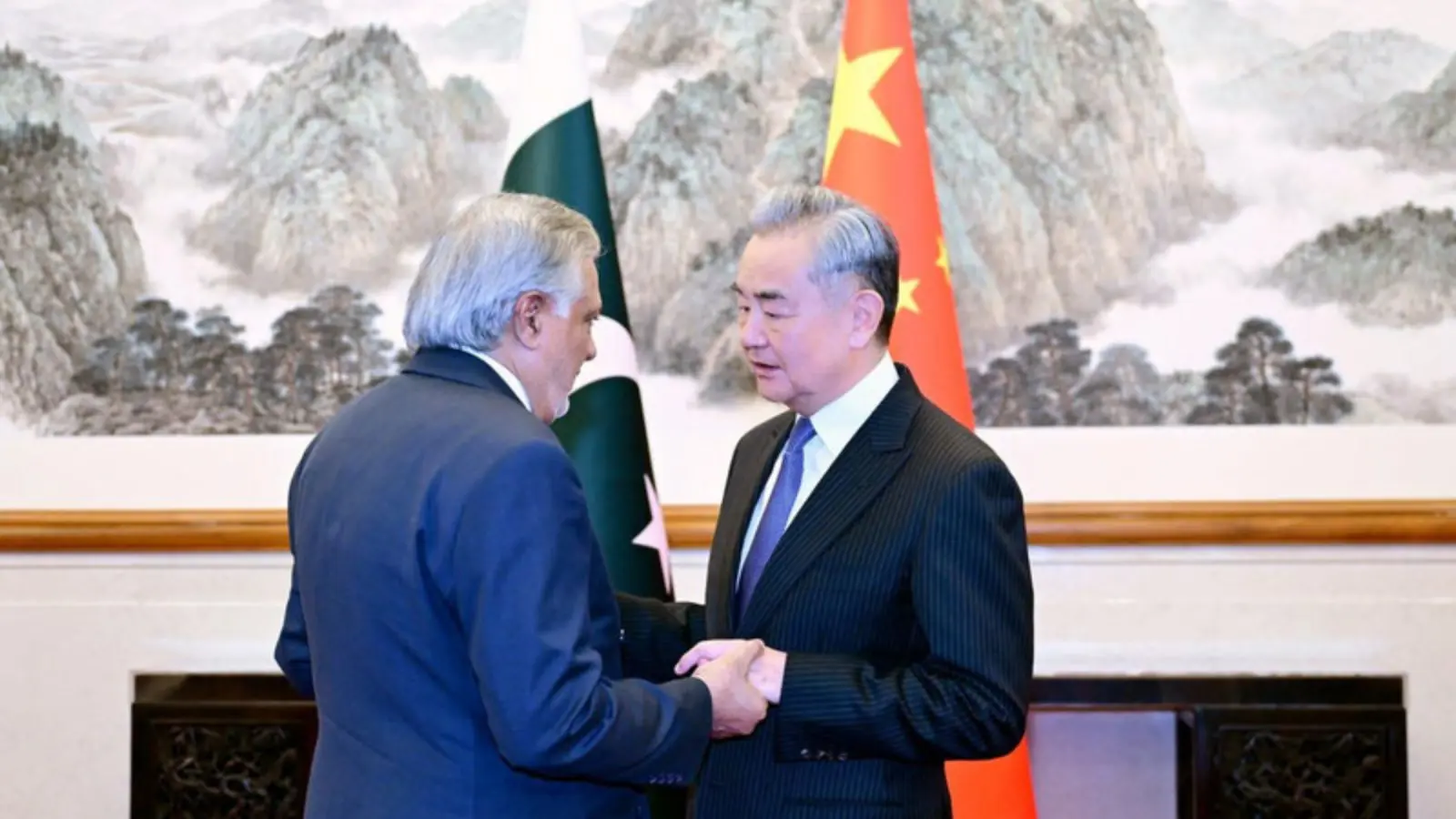
Amid heightened tensions in the global political arena, Pakistan's diplomatic efforts and China's last-minute intervention were key factors in persuading Iran to agree to a ceasefire. According to sources in The New York Times, Iran sought to prevent the escalation of conflicts in the region by supporting this step.
Thus, direct negotiations between the US and Iranian delegations are expected to take place in the Pakistani capital, Islamabad. As Trump's ultimatum nears its expiration, Pakistani Prime Minister Shahbaz Sharif has appealed to the US president to extend the deadline by two weeks and ask the Iranian leadership to open the Strait of Hormuz. Both sides, the US and Iran, thanked the Pakistani leader in their statements on the ceasefire and stressed that the agreement would also apply to Lebanon.
Iran's Tasnim news agency reported that the talks would begin on April 10 and last for two weeks, but could be extended if both sides agreed during the discussions. Axios also reported that Vice President J.D. Vance was expected to lead the US delegation.
Pakistan has become a key mediator between the US and Iran as the war in the Middle East escalated. According to Reuters, a two-stage plan was being prepared to end the war: first, an immediate ceasefire and opening the Strait of Hormuz, and then a final agreement.
The news also affected global oil markets. Brent crude fell below $100 a barrel to $94.50. WTI crude fell 19 percent. Observers predict that if there is no peace agreement in the Middle East, Brent prices could reach $150 by May.
At the same time, current prices are still higher than before the war, for example, on February 27, Brent was valued at $67.02 per barrel. This indicates that caution and monitoring are still required for global economic and energy markets.



Comments 0
…