


Maintaining the brain's energy demand: How important are attractive images?
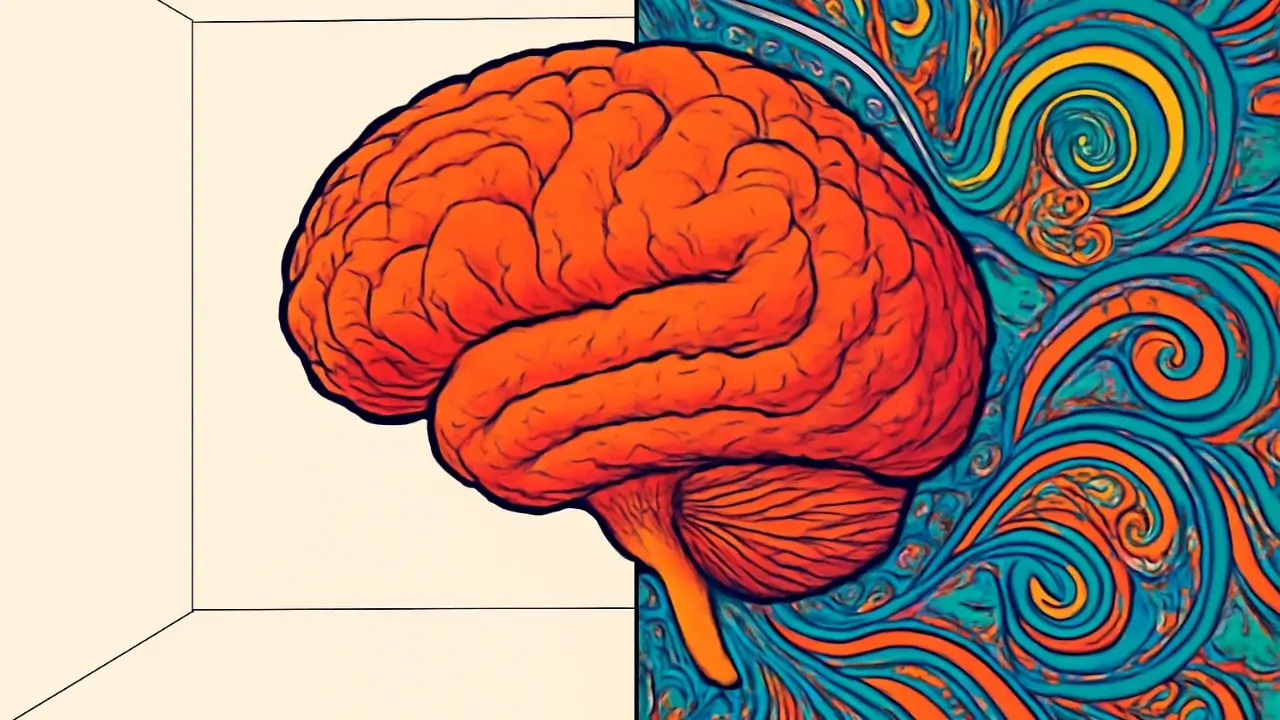
Scientists have determined that the human brain is one of the most "energy-demanding" organs in the body, consuming about 20% of the total calories. An interesting fact is that nearly half of this energy is spent on the activity of the visual system. In their research, scientists have sought to determine the "energy cost" of visual signals processed by the brain through the visual system. Simple images, such as an empty white space, are easily perceived but quickly become boring. Complex and deep images require more metabolic energy and may cause mental fatigue.
Researchers hypothesize that aesthetic preferences might be related to an effort to conserve energy. To test this hypothesis, computer models and 4914 images were used to assess the "energy cost" of visual content. Then, the results were compared with the attractiveness ratings provided by 1118 participants.
The findings suggest that people prefer images that demand less energy. This could indicate that our aesthetic choices are a form of hidden energy conservation strategy.


Comments 0
…