


Only 13 countries meet WHO air quality standards, IQAir report finds
The World Health Organization sets strict safety limits for PM2.5, a dangerous fine particulate matter that can penetrate deep into the lungs and enter the bloodstream. Exposure to these particles is strongly linked to respiratory issues, cardiovascular diseases, and cancer.
To assess global air quality, the Swiss monitoring company IQAir analyzed data from 9,446 cities across 143 countries and territories. The findings, published in the 2025 World Air Quality Report, highlight a severe global pollution crisis.
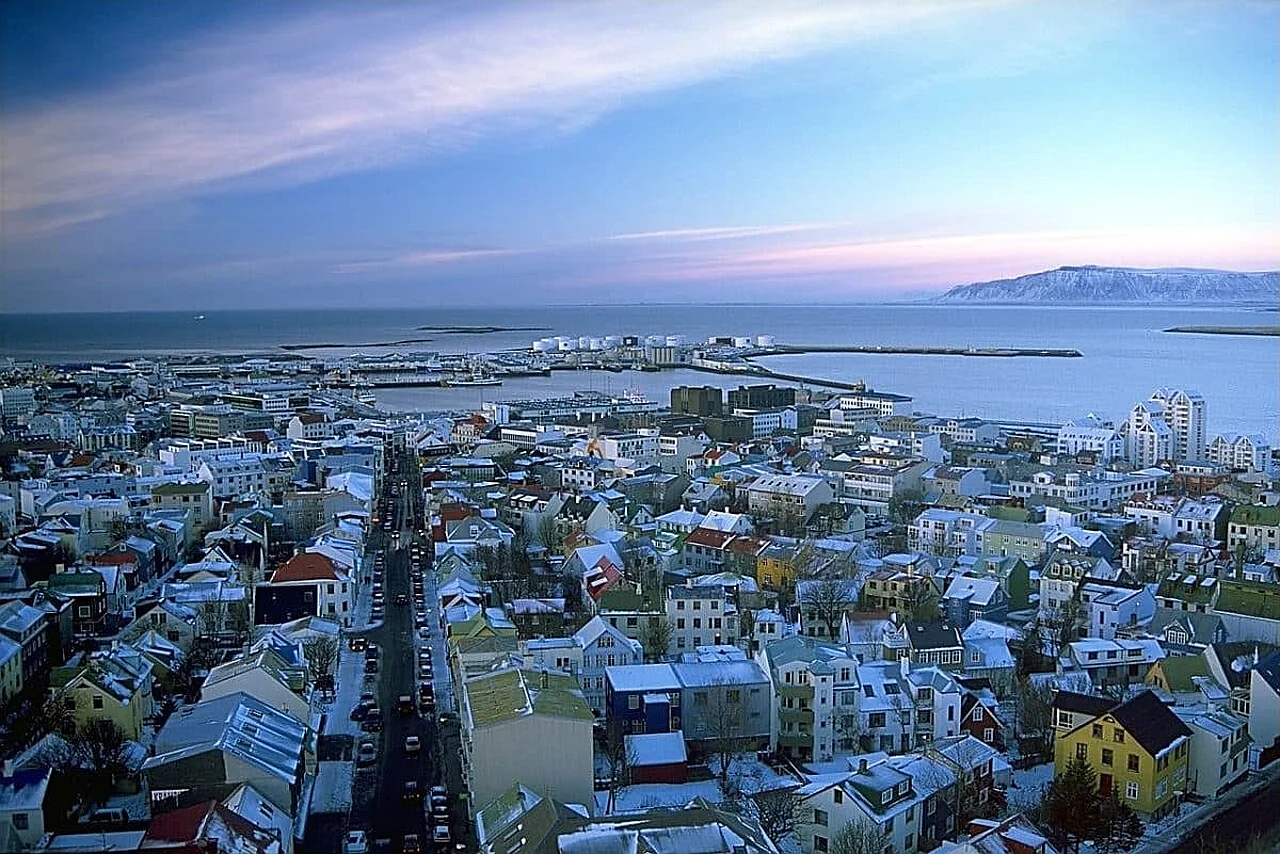
According to the report, only 13 countries and territories successfully met the WHO safety threshold of 5 micrograms per cubic meter. In Europe, only Andorra, Estonia, and Iceland achieved this standard. Other regions with safe air include Australia, Barbados, Bermuda, French Polynesia, Grenada, New Caledonia, Panama, Puerto Rico, Reunion, and the US Virgin Islands.
The data indicates that 130 of the analyzed nations failed to meet the recommended safety guidelines. The five countries with the most polluted air are Pakistan, Bangladesh, Tajikistan, Chad, and the Democratic Republic of the Congo, with Pakistan recording the highest pollution level at 67.3 micrograms per cubic meter.



Comments 0
…