


Spanish dancer who tamed a bull amazes everyone (video)
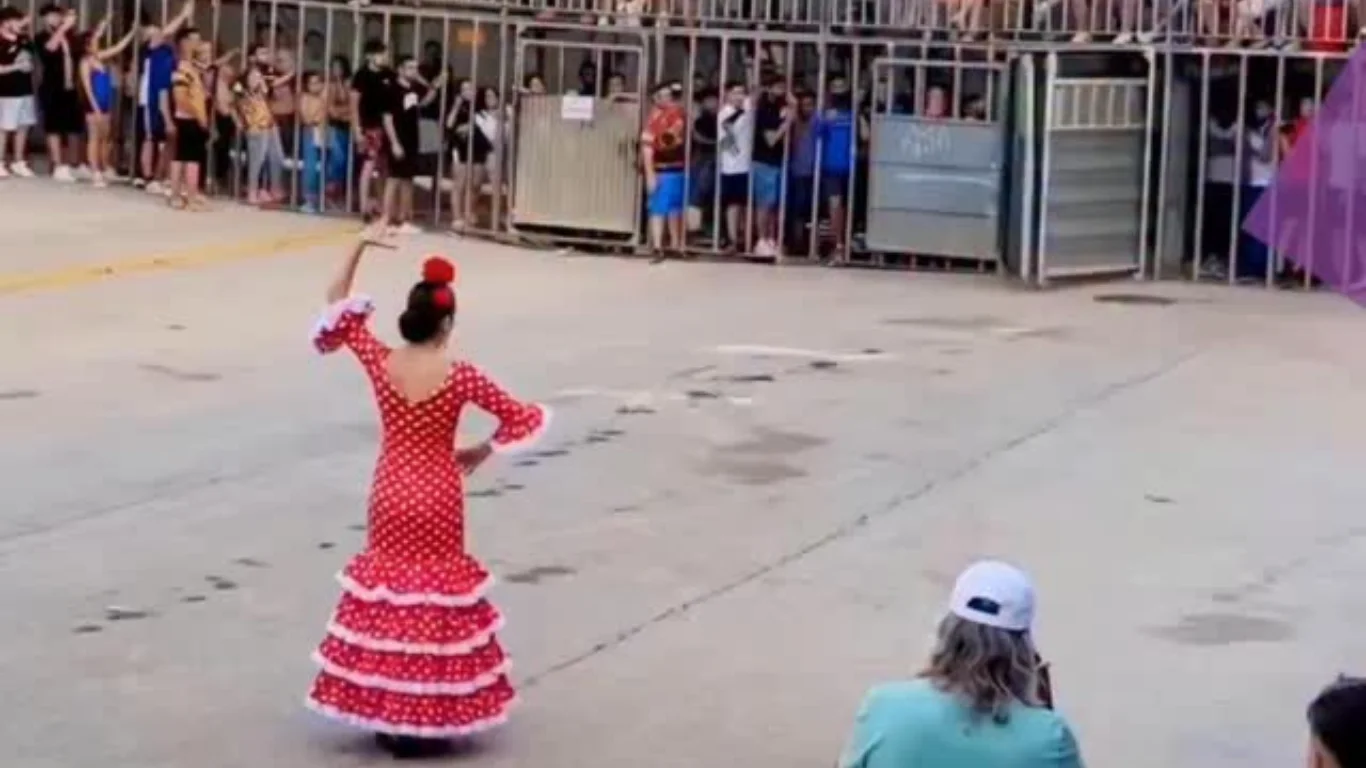
Spanish culture is world-famous for its vibrancy, emotional depth, and unique art forms. Among them, flamenco dance and the corrida (bullfighting) hold a special place. Although these two traditions differ in appearance, they are united by passion, drama, and powerful inner energy.
Flamenco is not just a simple dance, but an expression of human emotions turned into movement. Music, hand gestures, footwork, and body language blend together to captivate the audience. Red colors, elegant costumes, and rhythmic movements are key hallmarks of flamenco. This art form originated in the Andalusia region of Spain and has spread across the globe.
The corrida is often described as a "dance with death." Here, the torero—the bullfighter—attempts to guide the bull through their movements, agility, and the manipulation of the muleta (red cloth). Each movement requires precision, courage, and strong mental preparation.
Interestingly, there are similarities between the movements in flamenco and those of a torero in the corrida. Both rely on rhythm, body expression, and dramatic power on stage. Red is a recurring element in both arts, drawing attention and intensifying emotions.
Experts believe these two traditions reflect the historical spirit of the Spanish people. If flamenco is an expression of inner feelings, the corrida is a symbol of courage and facing life head-on.
Today, these art forms are watched with great interest not only in Spain but all over the world and are valued as cultural heritage.


Comments 0
…