


When should babies start eating solid foods?
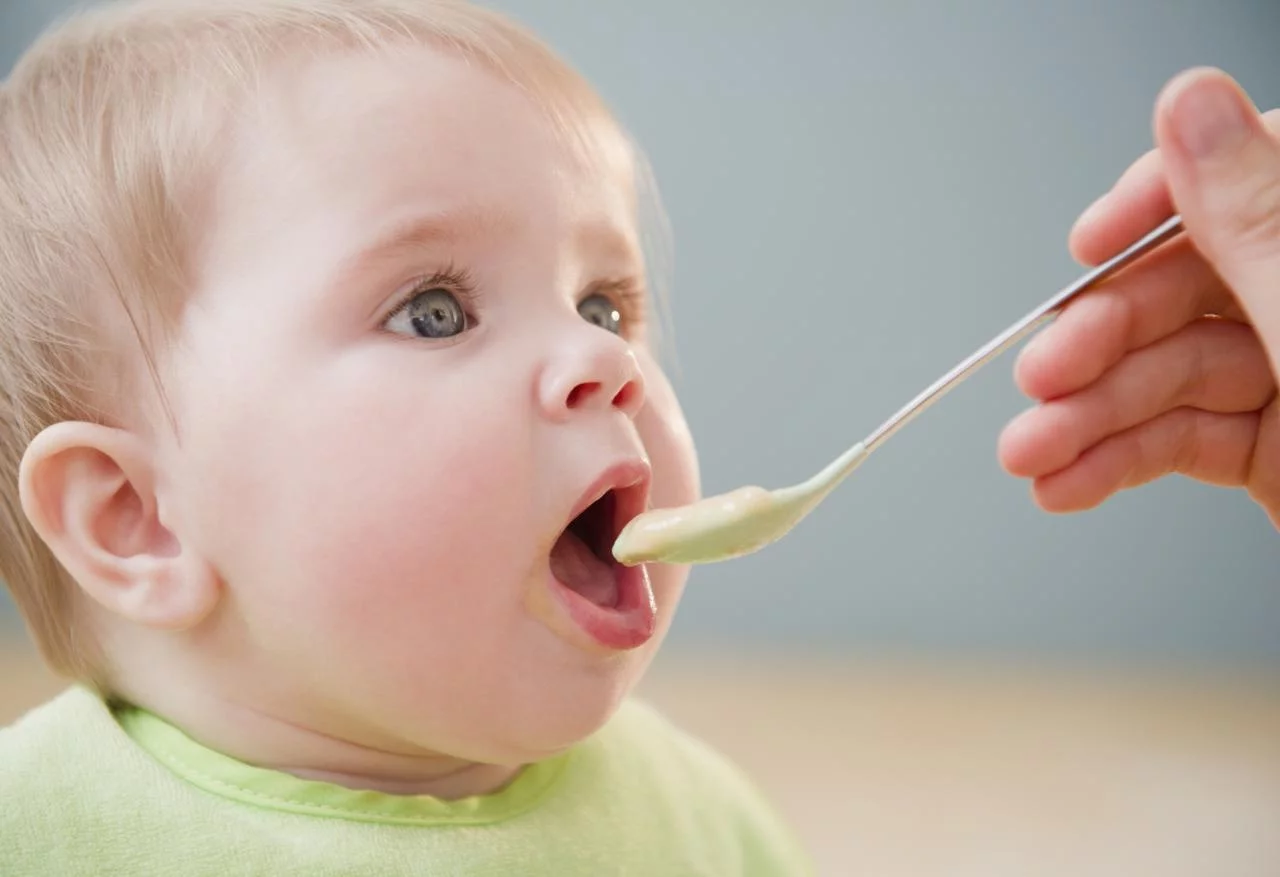
Introducing solid food is a major milestone in your baby’s growth. According to WHO and pediatric experts, infants should be exclusively breastfed (or formula-fed) for the first 6 months.
After 6 months, babies start needing extra nutrients and energy. This is the ideal time to gradually introduce solid foods, alongside continued breastfeeding.
Signs of readiness include:
• Interest in adult food
• Holding the head up independently
• Accepting food from a spoon
• Demanding more frequent feeds
Rules for safe introduction:
• Introduce one food every 3–5 days.
• Start with smooth purées.
• Begin with vegetables, then fruits, meat, and grains.
• Avoid salt, sugar, fried or spicy foods.
• Monitor baby’s reaction and digestion.
Good first foods include mashed carrots, potatoes, rice or buckwheat porridge, apples or bananas. Later — meat and egg yolk.
Breastmilk/formula remains the primary nutrition source until 12 months. Solids are supplementary, not replacements.
Every baby is different. Always consult your pediatrician before starting.
After 6 months, babies start needing extra nutrients and energy. This is the ideal time to gradually introduce solid foods, alongside continued breastfeeding.
Signs of readiness include:
• Interest in adult food
• Holding the head up independently
• Accepting food from a spoon
• Demanding more frequent feeds
Rules for safe introduction:
• Introduce one food every 3–5 days.
• Start with smooth purées.
• Begin with vegetables, then fruits, meat, and grains.
• Avoid salt, sugar, fried or spicy foods.
• Monitor baby’s reaction and digestion.
Good first foods include mashed carrots, potatoes, rice or buckwheat porridge, apples or bananas. Later — meat and egg yolk.
Breastmilk/formula remains the primary nutrition source until 12 months. Solids are supplementary, not replacements.
Every baby is different. Always consult your pediatrician before starting.


Comments 0
…