


New hope for lower meat prices in livestock farming
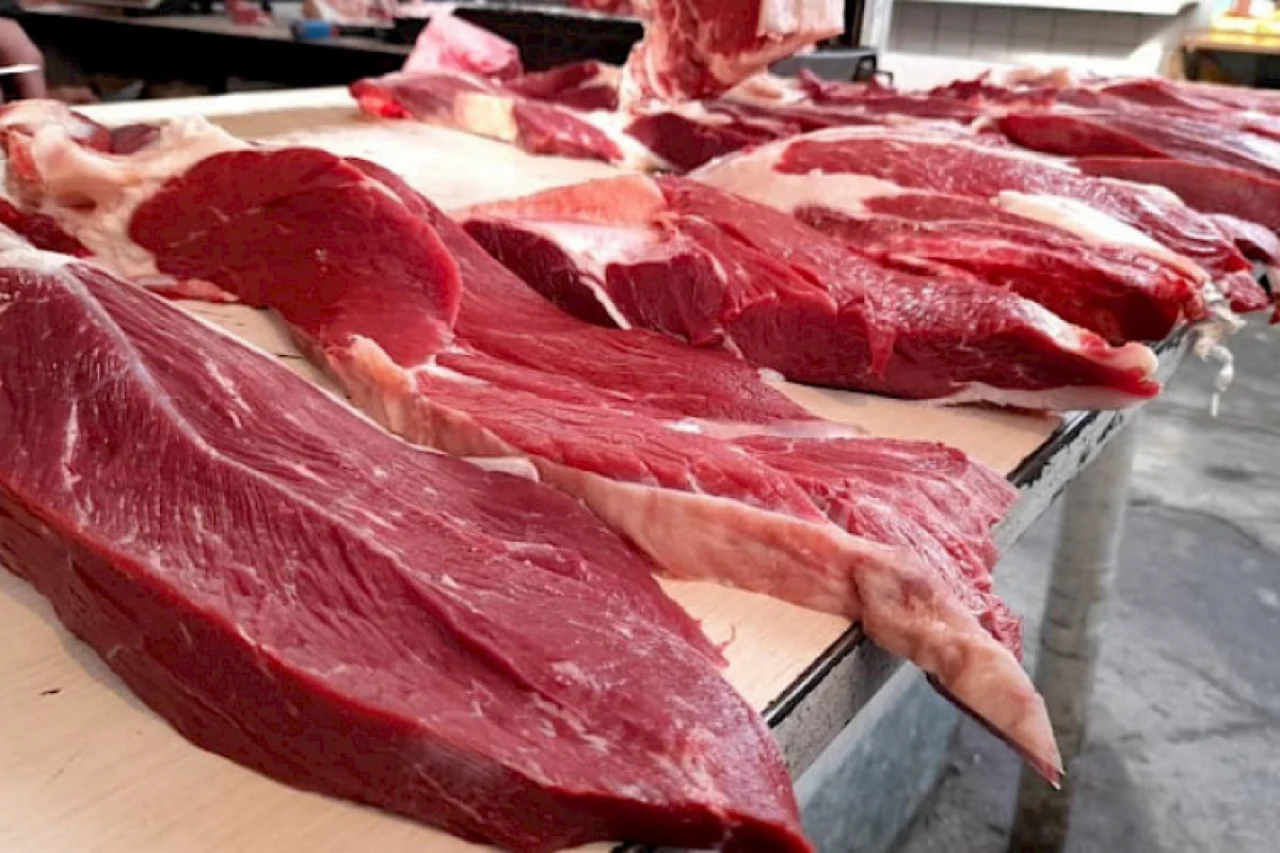
Can meat product prices in Uzbekistan stabilize and potentially decrease in the future? This question has been on many people's minds lately. Minister of Agriculture Ibrohim Abdurahmonov briefed deputies of the Legislative Chamber on the efforts being made to develop the livestock sector.
Figures provided by the Ministry show that significant funds have been directed toward the livestock industry. Specifically, 1,103 projects with a total value of 5.3 trillion UZS have been implemented. These projects aim to increase livestock numbers, improve breeding quality, strengthen the feed base, and boost production volumes.
Experts believe that a decline in meat prices depends on more than just market supply and demand. Factors such as pedigree livestock, feed availability, care technology, farmer costs, and the supply chain to the market play a major role. In this sense, investments in livestock could provide a crucial foundation for future price stability.
To improve the breeding stock, 217,000 head of cattle and 282,000 sheep and goats have been imported. Such measures serve to increase livestock productivity and boost meat and milk volumes. Simply put, it is not just about increasing the number of animals, but also improving their quality.
Current estimates indicate that the number of cattle in the country has reached 13.5 million. The number of sheep and goats stands at 24 million, while the poultry population has reached nearly 98 million. These figures indicate expanding capabilities to supply the domestic market with meat, milk, and eggs.
At the same time, special attention is being paid to strengthening the feed base. Over 470,000 hectares of land have been allocated for fodder crops such as alfalfa, sorghum, and beets. This is a critical factor, as a large portion of production costs in livestock farming depends on feed expenses. If feed is affordable and sufficient, farmers' costs decrease, which can influence market prices.
Of course, these figures do not mean meat prices will drop sharply tomorrow. For prices to fall, production volume must grow steadily, logistics must improve, intermediary costs must decrease, and competition must intensify. However, the increase in livestock numbers and major investments in the sector create an important foundation for curbing meat prices.
In short, the 5.3 trillion UZS investment in livestock, the import of pedigree animals, and the expansion of the feed base are positive signals for the meat market. The main issue now is ensuring these measures translate into real results that consumers can feel, rather than just remaining on paper. The most important question for people is simple: will meat prices in the market go down? The answer is also simple: there is potential, but the result depends on how effectively the system operates.



Comments 0
…