


China Launches First Experiment to Grow Artificial Embryos in Space
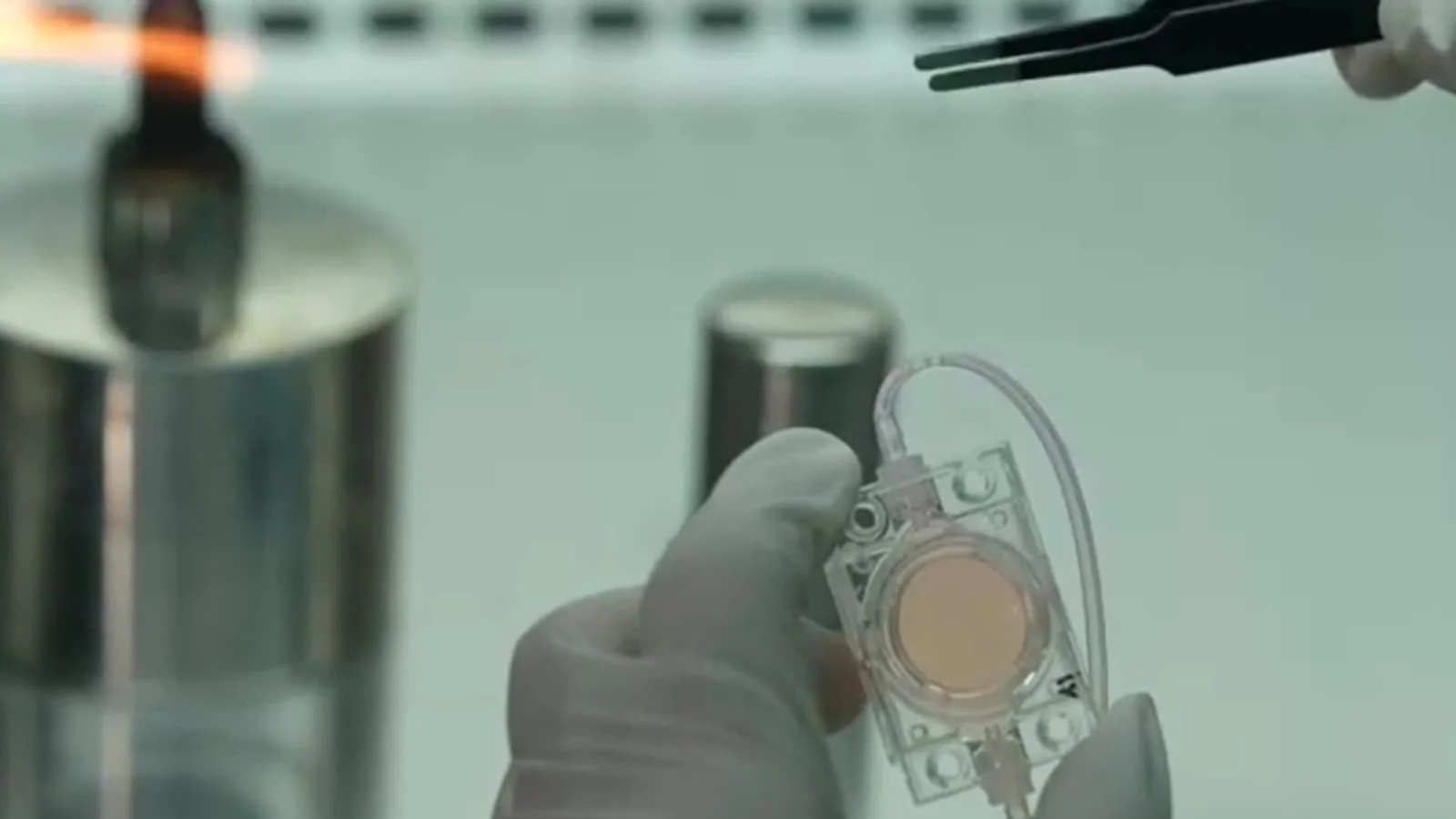
The Tianzhou-10 cargo spacecraft, launched from China's Wenchang Spacecraft Launch Site, has opened a new chapter in space research. Onboard the craft is the equipment necessary to conduct the world's first scientific experiment on growing artificial embryos in open space conditions. Experts from the Chinese Academy of Sciences (CAS) aim to determine whether humanity can reproduce beyond Earth. This was reported by Ixbt.com news.
The artificial embryos used in the experiment are created from stem cells and are not considered fully living organisms. Nevertheless, these structures accurately imitate the most critical stage of human development: the 14-21 day period after fertilization. Project leader Yu Leqian noted that it is during this phase that organ formation and developmental axes are established.
During the five-day experiment on the Tiangong space station, automated systems will refresh the nutrient solution under the supervision of taikonauts. This process allows for the observation of how cells develop under microgravity and cosmic radiation. Since it is impossible to fully replicate these conditions on Earth, this research is of fundamental importance.
Once the experiment is concluded, the samples will be frozen and returned to Earth for laboratory analysis. Scientists will study how gravity affects biological development and how the human body adapts to weightlessness. These results are expected to be a crucial step toward building permanent bases on the Moon and Mars and ensuring human survival in space.



Comments 0
…