


Listeners rated AI-generated music higher than human-composed music
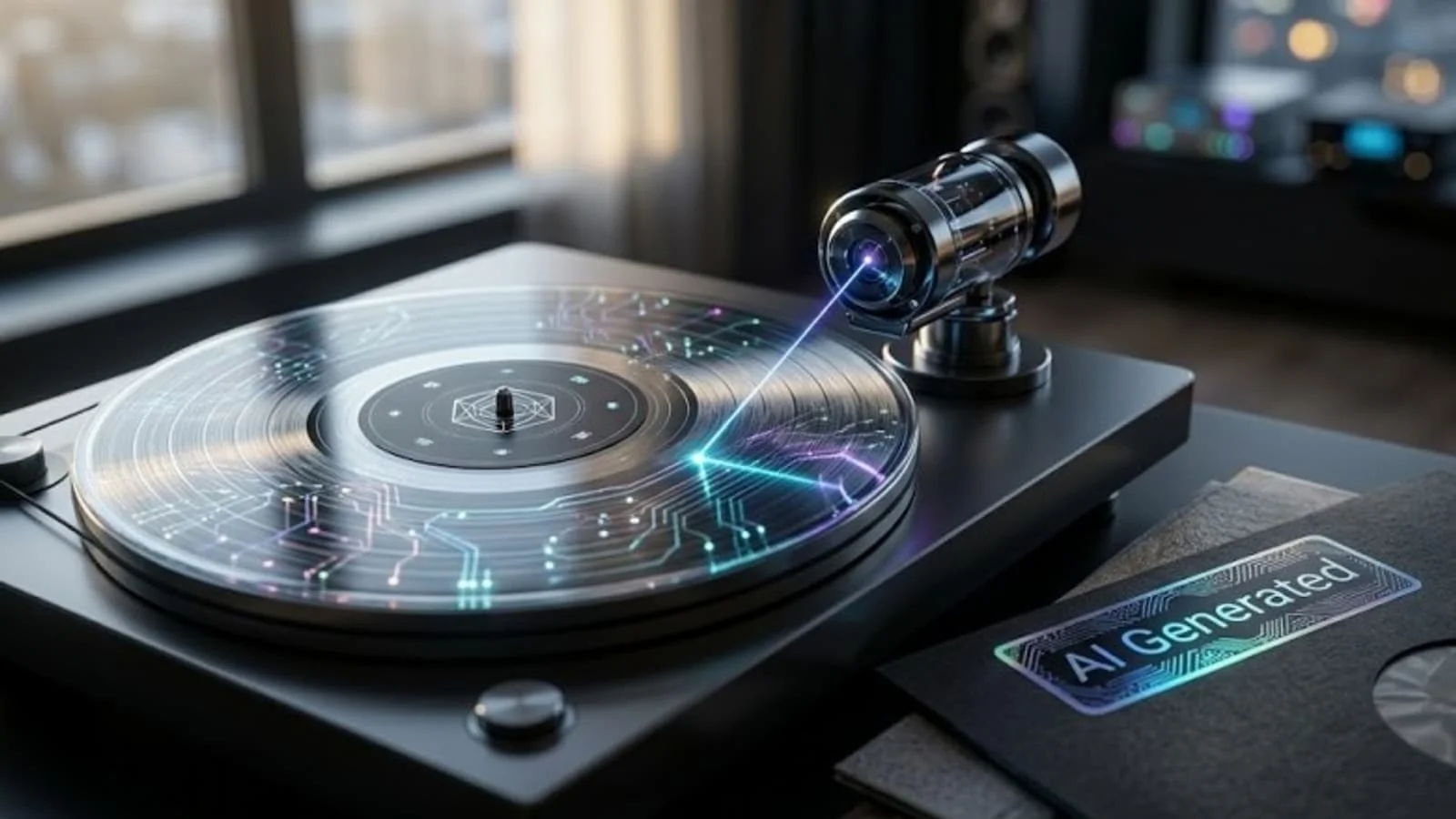
Quick readAI-generatedShow
- A recent study indicates that modern listeners often cannot distinguish between music created by artificial intelligence (AI) and that produced by humans, with many rating AI-generated tracks higher.
- This trend poses a threat to the traditional music industry, as platforms like Google MusicLM enable non-professionals to flood the market with content.
- However, once the true authorship of a piece is revealed, listeners' appreciation tends to diminish, particularly among pop music fans.
- Experts highlight that while AI can produce high-quality content, it may lead to devaluation of musical skills and a reduction in job opportunities within the industry.
The development of generative models such as Google MusicLM poses a threat to the traditional music industry. A new study has shown that modern listeners cannot distinguish between music created by artificial intelligence and that created by humans, often rating the former higher. This was reported by Ixbt.com xabar.
However, this success diminishes once the true author of the work is revealed. Researchers conducted a series of experiments to understand consumer attitudes toward cultural industry products.
In blind tests, it was found that AI-generated tracks—particularly in pop and electronic music genres—were perceived as being of higher quality.
The situation changes when the "created by artificial intelligence" label appears: in this case, the desire to re-listen to the track and the willingness to pay for it decrease. Pop music fans, in particular, react sharply to this.
The problem also has deep economic implications. Streaming giants like Spotify and Amazon Music distribute revenue based on market share.
The emergence of open tools like MusicLM and Suno allows non-professionals to flood platforms with vast amounts of content. For an algorithm, there is no difference between one song played a million times and a million songs played once.
This dilutes funds from the total royalty pool that previously belonged exclusively to professional artists.
Experts highlighted four key conclusions for the industry: artificial intelligence is capable of creating high-quality content that appeals to mass consumers; barriers to entry in the industry are disappearing, leading to the devaluation of musical skills and job losses; the total size of the market may shrink because users value content without human involvement less; and transparency and mandatory labeling are becoming critical.



Comments 0
…