


Scientists created solar cells 10,000 times thinner than a human hair
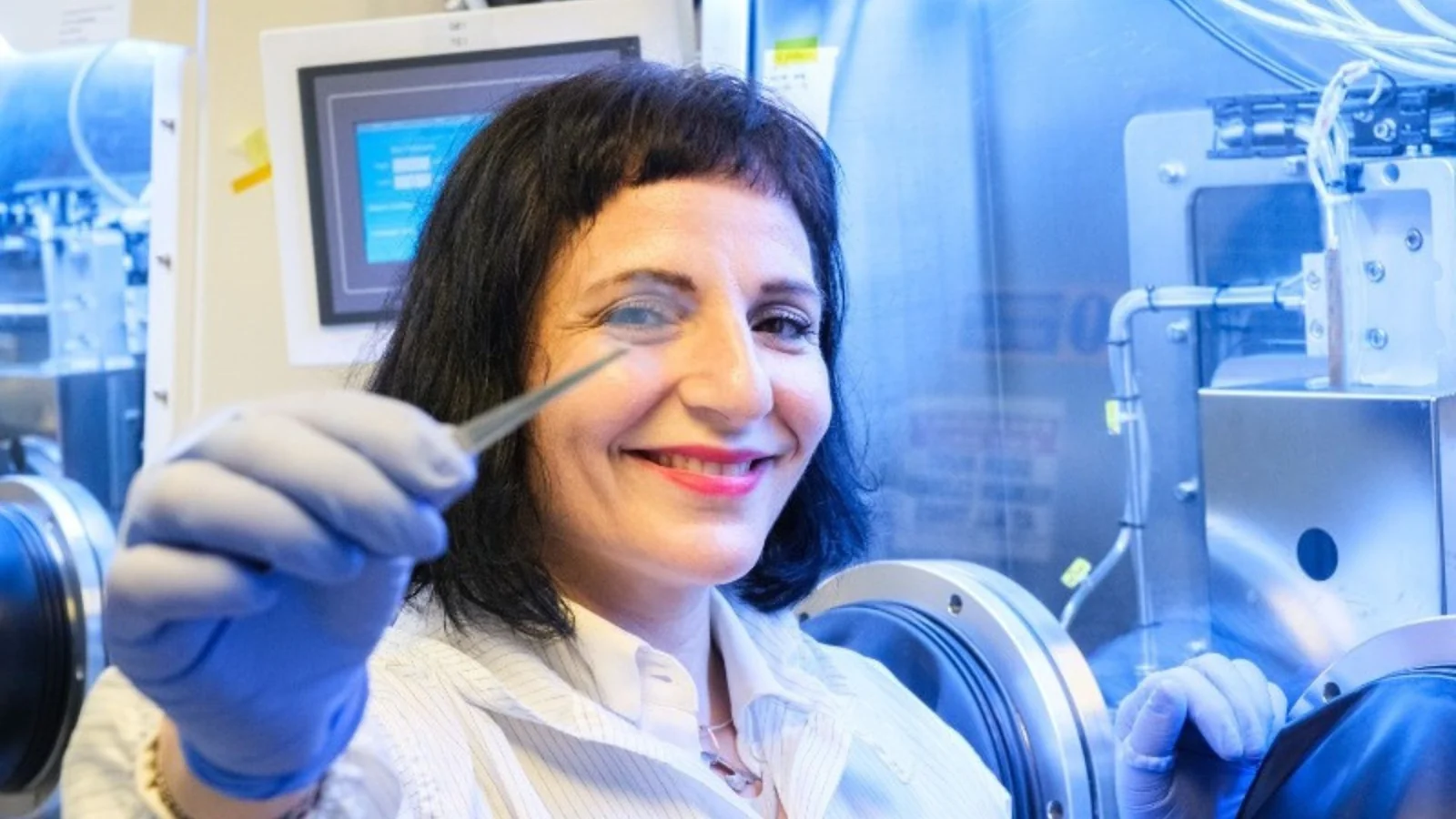
Researchers at Nanyang Technological University, Singapore, have developed ultra-thin, semi-transparent solar cells capable of turning ordinary windows into sources of electricity. This technology is based on perovskite, an alternative to traditional silicon, with an active layer only 10 nanometers thick. This is approximately 10,000 times thinner than a human hair. This is reported by Ixbt.com reports .
The main advantage of the new development is that the solar panels are almost invisible. They can be installed on skyscraper windows, glass facades, car windows, and even wearable electronic devices. The semi-transparent version transmits 41 percent of visible light and converts solar energy into electricity with an efficiency of up to 7.6 percent.
An important aspect of the technology is that the panels work effectively not only in direct sunlight but also in diffused light. This is crucial for densely populated cities, as tall buildings constantly create shadows. The manufacturing process uses vacuum thermal evaporation, which allows for the creation of very uniform layers without the use of toxic solvents.
Researchers have created various versions of the panel, including opaque and semi-transparent types. Depending on the layer thickness, efficiency ranges from 7 to 12 percent. The technology is currently patented, and the team is seeking partners to scale production, though long-term durability must be proven before mass adoption.


Comments 0
…