


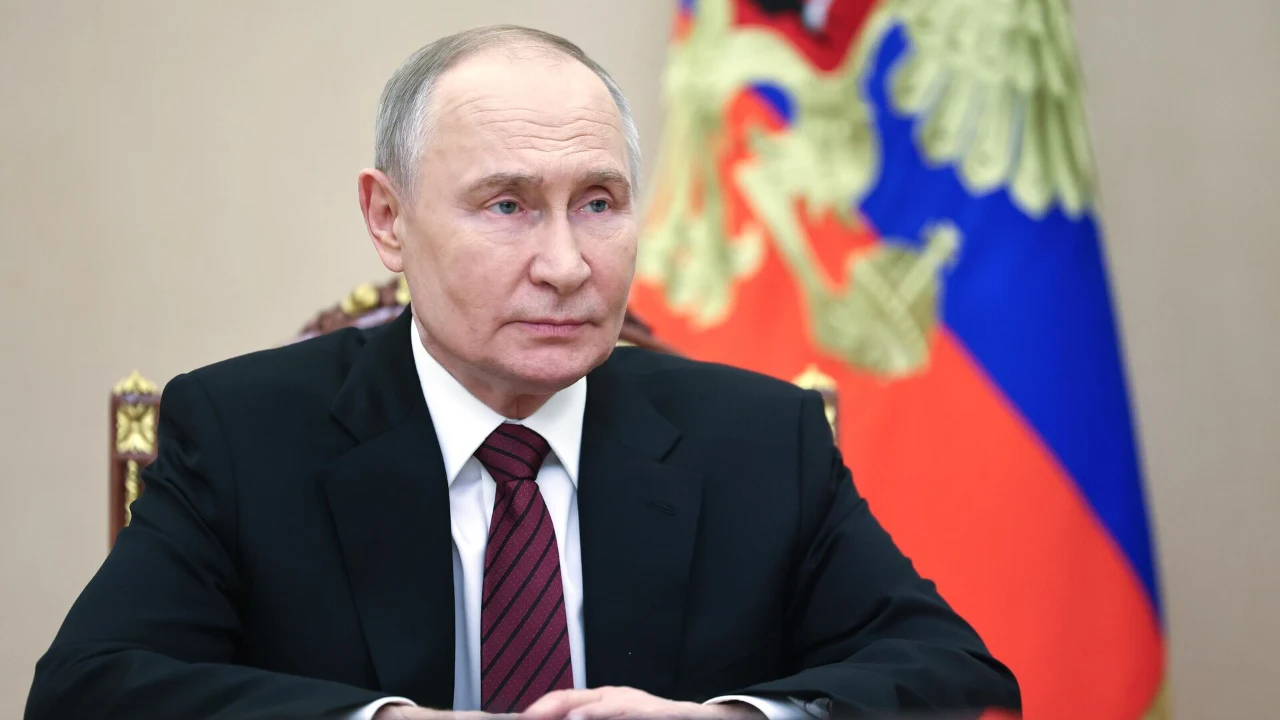
Russian President Vladimir Putin has signed a decree simplifying the process for Transnistrian residents to obtain Russian citizenship. This decision has once again brought the political situation in the region and security issues surrounding Moldova to the forefront.
Under the new document, adult residents of Transnistria will be able to obtain Russian citizenship through a simplified procedure. Most importantly, certain requirements typically demanded of applicants will be waived.
According to current legislation, obtaining Russian citizenship requires five years of permanent residence in the country, proficiency in the Russian language, and knowledge of Russian history and law. However, Putin's decree allows Transnistrian residents to bypass these requirements.
In other words, residents of this territory can obtain a Russian passport without passing exams in the Russian language or history. This demonstrates that Moscow is applying a specific political approach toward the population of Transnistria.
Transnistria is a disputed territory within the Republic of Moldova. In 1990, the Pridnestrovian Moldavian Republic was declared there. However, this entity has not been recognized as an independent state by world nations or the United Nations.
The region has long been one of the most sensitive political issues between Moldova and Russia. It is reported that there are currently about 1,500 Russian military personnel in Transnistria. The Moldovan leadership has demanded for years that Russian troops be withdrawn from the territory.
The new decree is likely to cause serious concern in Chisinau, as simplifying the process of granting Russian citizenship to Transnistrian residents could further fuel separatist sentiments in the region.
Analysts believe that an increase in the number of Russian passport holders could allow Moscow to further strengthen its influence in the region under the guise of "protecting its citizens" in the future. This is a serious signal for Moldova in terms of politics and security.
In April of this year, Secretary of the Russian Security Council Sergei Shoigu also made a statement regarding the Transnistria issue. He claimed that the interests of more than 220,000 Russians living in the region are under threat due to the actions of Moldova and Ukraine. Shoigu emphasized that Moscow would take necessary measures.
According to reports, the total population of the self-proclaimed Transnistrian republic is around 470,000. If a large portion of them gain the opportunity to obtain Russian citizenship, it could significantly impact the political balance in the region.
For Moldova, this situation is very complex. On one hand, there is the issue of territorial integrity. On the other, Russia's military and political influence in Transnistria remains. The new decree could further deepen these problems.
For now, there is great interest in how Chisinau will officially respond to this decision. But one thing is clear: the Transnistria issue is once again becoming a hot spot in regional politics.
In short, Putin's decree is not just a simple passport matter. It is being assessed as a step aimed at expanding spheres of influence through citizenship, increasing political pressure, and further complicating the geopolitical game around Moldova.
Read “Zamin” on Telegram!