


Lunar Seismology: New Devices to Ensure the Safety of NASA Bases
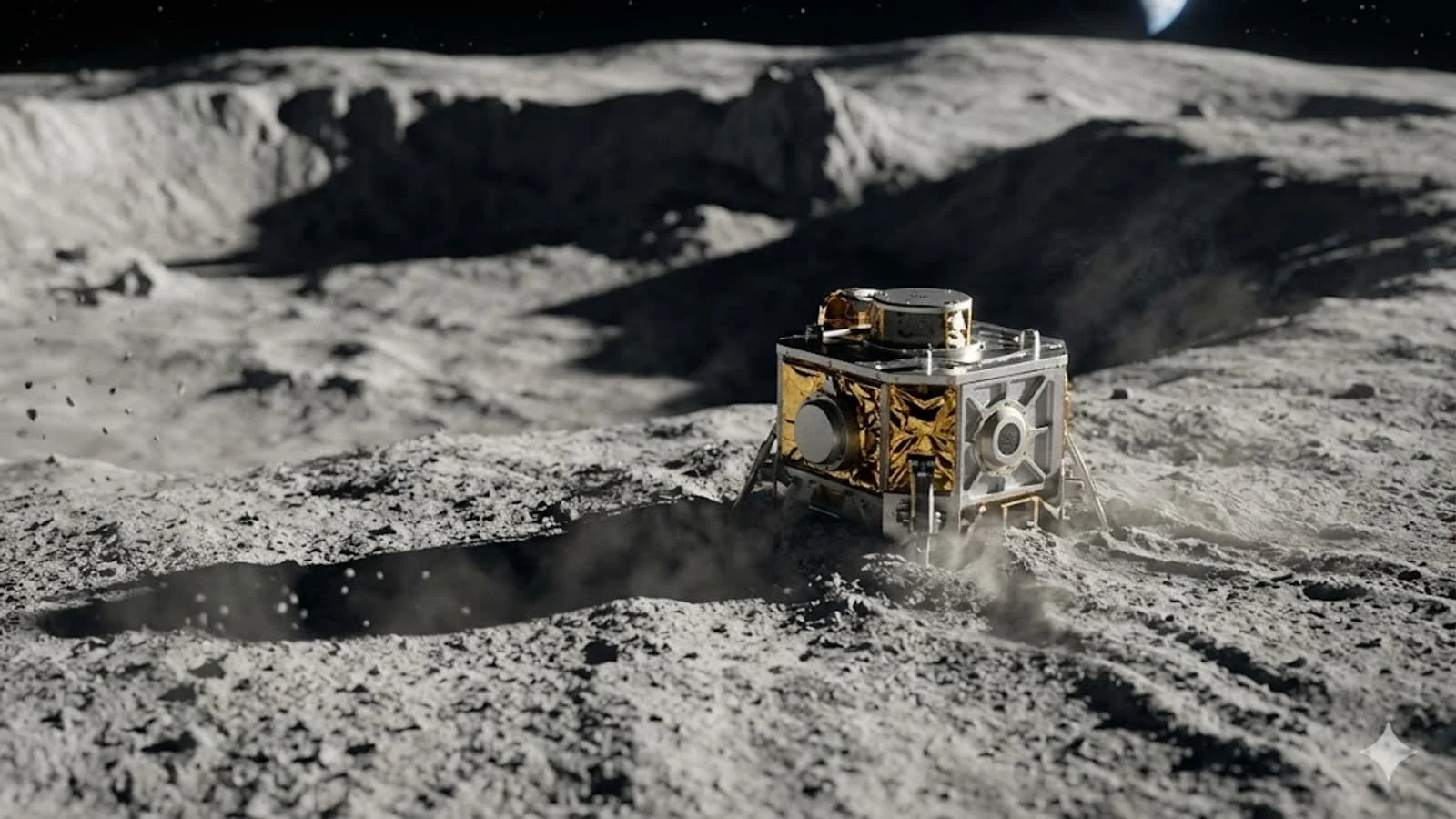
Scientists at the Lunar and Planetary Laboratory (LPL) at the University of Arizona have developed specialized equipment for future lunar bases. Created as part of NASA's LEMS (Lunar Environment Monitoring Station) mission, the new seismometers are designed to continuously monitor the Moon's seismic activity for at least two years. This data is crucial for engineers designing habitat modules and infrastructure, helping them assess the risk of "moonquakes." This is reported by Ixbt.com reports.
The project was carried out in collaboration with the technology company Silicon Audio Inc. The biggest challenge for the developers was adapting Earth technologies to the Moon's extremely harsh environment. LPL representative Daniella Mendoza DellaGiustina noted that it took two years to redesign and test the devices. Scientists had to protect sensitive electronics not only from launch loads but also from the extremely low temperatures at the Moon's South Pole, where the Artemis mission landing is planned.
LEMS seismometers allow for the study of the lunar interior through vibrations caused by meteorite impacts and internal tectonic processes. Unlike the devices from the Apollo era, the new sensors are adapted to extreme conditions not found on Earth. Although the deployment point for the devices may change depending on the Artemis program architecture, the instruments are already ready for space flight.
This project is changing humanity's approach to space exploration: NASA is shifting from short-term visits to ensuring a permanent presence on the Moon. Accurate assessment of seismic risk guarantees that future lunar cities will not be destroyed by landslides in areas considered geologically stable.



Comments 0
…