


Economists warned that Russia faces decline
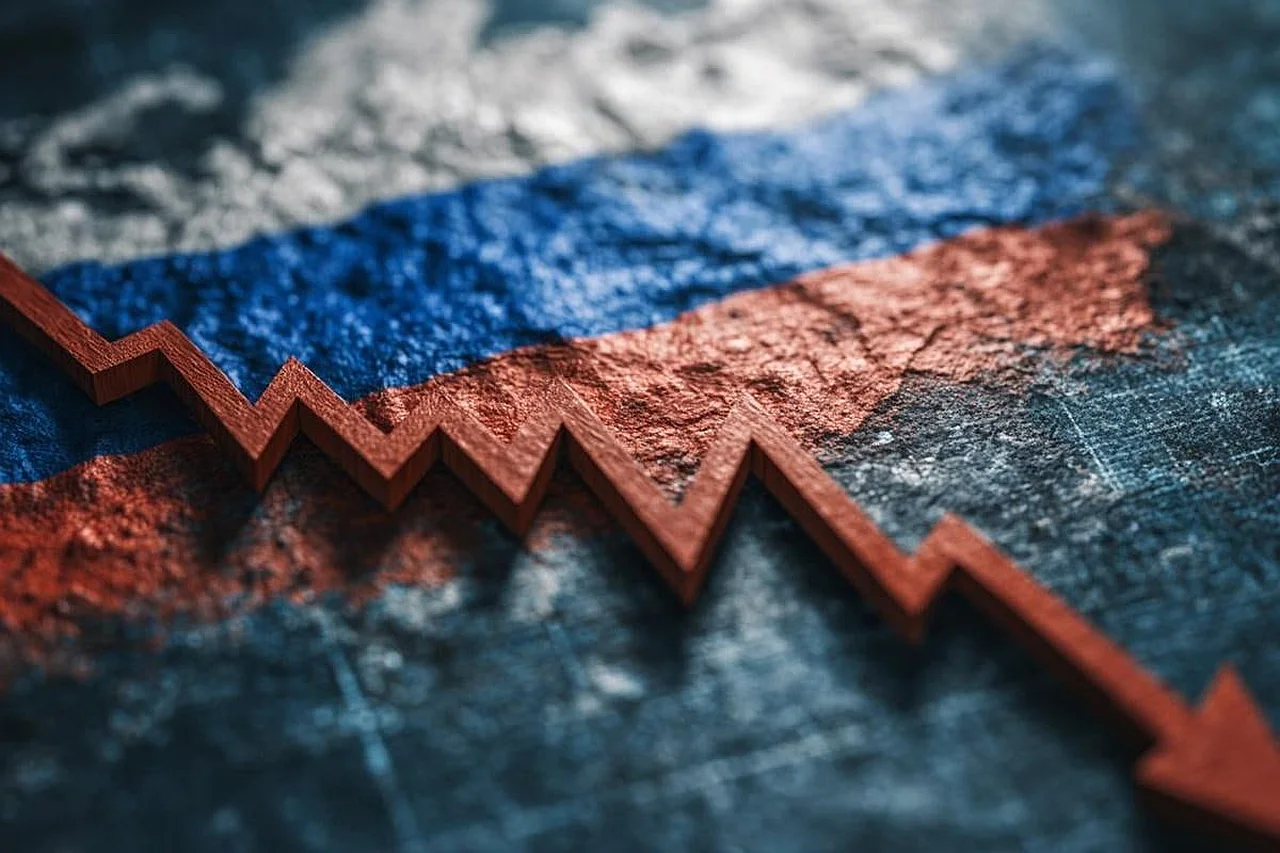
Russia’s economy could slip into recession before the end of this year, according to economists close to the Kremlin, Russian media reported on March 20. The warning was published by Izvestia, which cited a report from the Center for Macroeconomic Analysis and Short-Term Forecasting, a research body said to be close to the presidential administration.
The center has developed a composite leading indicator designed to detect when the economy is approaching recession. According to its estimates, the indicator reached 0.49 in December last year, far above the critical threshold of 0.18. Izvestia said the report suggests that if a recession begins, it may not be brief and could last for more than a year.
Experts interviewed by the newspaper said several factors are already slowing Russia’s economic momentum. Among them are the country’s high key interest rate, a tighter and more cautious budget policy, a shortage of workers, and a pause in investment activity. Together, these pressures are limiting expansion even as the government continues to support selected sectors.
Financial analyst Alexei Rodin told the publication that the risk of recession would increase even further if oil prices were to fall sharply or if Russia were hit with a new wave of broad international sanctions linked to the war in Ukraine. In his view, these external shocks could quickly weaken the country’s remaining sources of growth.
Another market specialist, Igor Rastorguyev of AMarkets, said recession remains a realistic scenario even while oil prices are being supported by tensions involving the United States, Israel and Iran. He noted that a new wave of inflation could force Russia’s central bank to delay or suspend interest-rate cuts, even though lower borrowing costs could help the economy avoid a more serious downturn.
Analysts cited by the report said Russia’s current growth is increasingly dependent on state orders and companies tied to the military-industrial sector. That means broader economic expansion remains fragile, with private investment and consumer-driven growth still under pressure. If those weaknesses deepen in the coming months, the slowdown could turn into a longer and more painful recession.



Comments 0
…