


Relations between Russia and the Gulf states are cooling against the backdrop of the Iran war
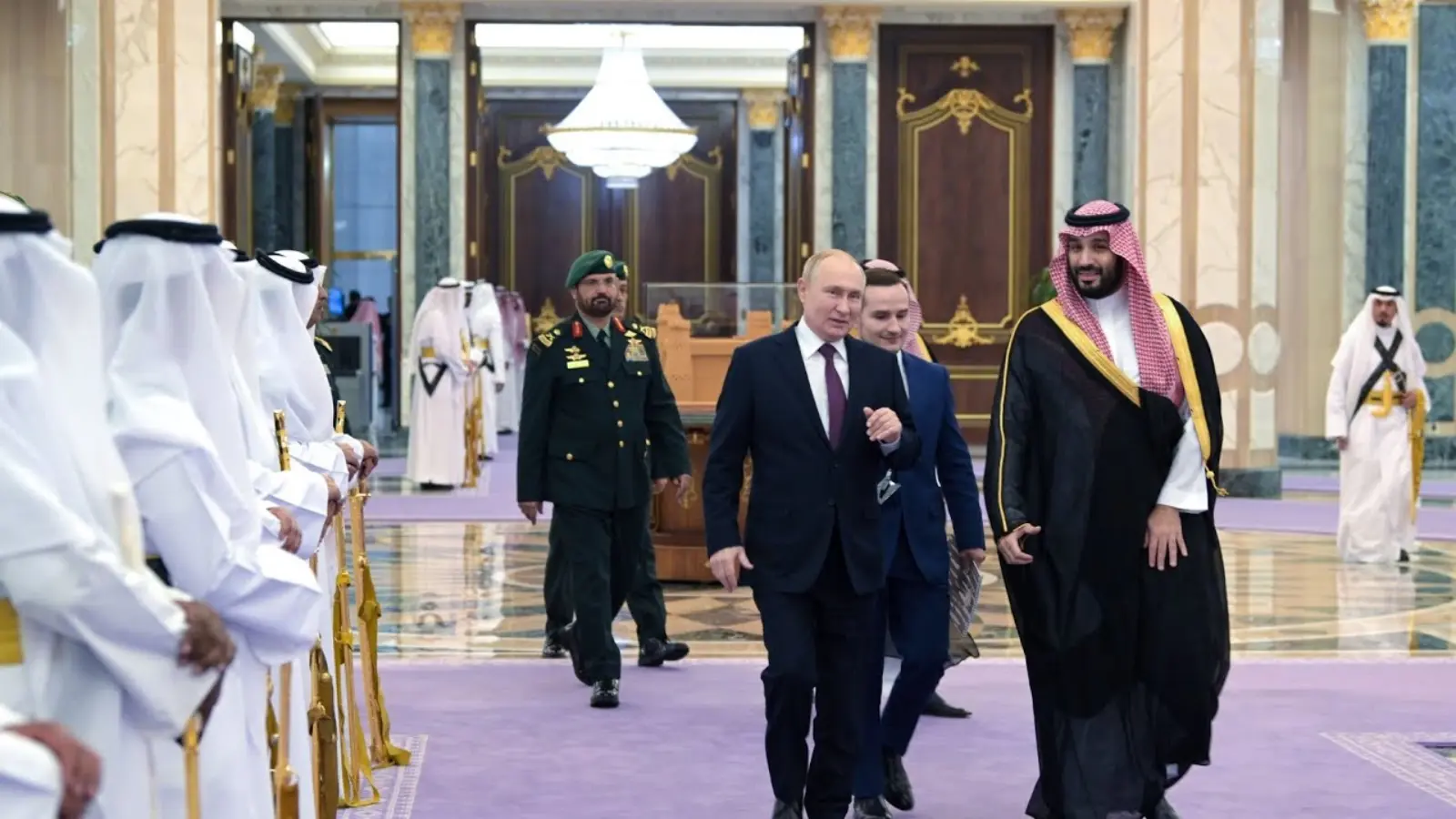
Geopolitical storms in the Middle East are turning not only the region's but also the entire world's diplomacy upside down. Ties that once seemed strong are now being tested. Zamin.uz analyzes and brings to your attention the most important changes in the international arena.
Damaging friendship: Moscow's rapprochement with Tehran
According to the influential British newspaper The Times, the warm relations between Russia and the Gulf Arab monarchies that have developed over the years have been strained. The main reason for this is Moscow's open support for Iran, which is fighting the US and Israel.
The situation has been further exacerbated by allegations that Russia is involved in Iran's missile and drone strikes on US military bases in Arab countries. It is alleged that the Kremlin may have provided Tehran with strategic intelligence and satellite data to precisely target US facilities. Although Russian Foreign Minister Sergei Lavrov denied the allegations and said that the locations of the bases were not secret, Arab leaders were not satisfied with this statement and were deeply offended by the Kremlin.
Billions of dollars in damage and a "rocket rain"
According to the Gulf Research Center, from February 28 to April 3 of this year, Iran launched 6,350 strikes on the territory of Arab countries. The country that suffered the most from these attacks was the United Arab Emirates - 40 percent of all strikes fell on this country.
The economic consequences are dire:
- Daily damage: According to the Financial Times, attacks on control and energy facilities in the Strait of Hormuz are costing the Gulf states $2.3 billion a day.
- Export crisis: The closure of the strait, a major route for oil and gas exports, has dealt a major blow to the economies of Saudi Arabia, Qatar and Kuwait.
“Betrayal” and diplomatic veto at the UN
The veto by Russia and China of a resolution by Arab states at the UN Security Council calling for the use of force against Iran and the opening of the Strait of Hormuz was perceived in the Arab world as a “stab in the back” or “betrayal”. The Arabs, who remained neutral and even acted as mediators when the Ukrainian crisis broke out in 2022, can no longer tolerate Moscow siding with Tehran.
Ukraine's "helping hand" and new alliances
Ukrainian President Volodymyr Zelensky, who took advantage of the situation, toured the Gulf countries and offered his experience in combating Iranian drones. As a result, important defense agreements were signed with Saudi Arabia, the UAE, and Qatar.
Analysts believe that after the war, the Gulf states may reconsider their relations not only with Russia, but also with the United States, which has failed to adequately protect them. This indicates the beginning of a completely new political era in the region.
Dear readers, do you think the Gulf states can completely turn their backs on Russia? Can Ukraine's military assistance in the region change the situation?



Comments 0
…