


The Energetic Paradox of Io: Juno Mission Reveals a New Truth
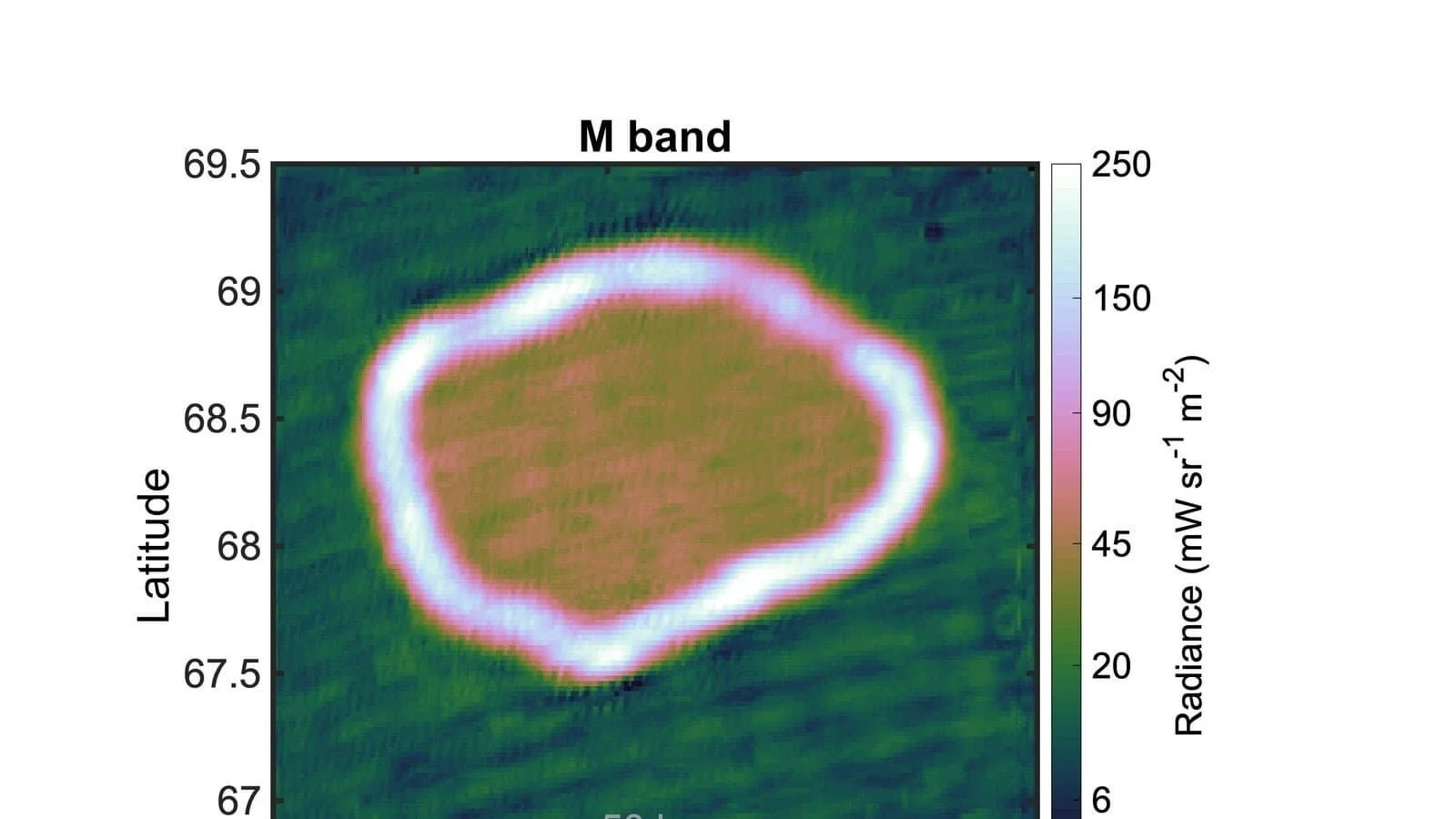
A research team led by Piero di Martino and Alessandro Mura from the Italian National Institute for Astrophysics (INAF) has analyzed volcanic activity on the moon Io based on data sent by NASA's Juno space probe. The results of the study have made it possible to solve the long-standing "energetic paradox" regarding Io, which is considered the most volcanically active body in the solar system. This is reported by Ixbt.com reports .
Scientists found that previous calculations were incorrect. Previously, telescopes and the Galileo spacecraft only recorded high-temperature volcanic rings, but with the help of the Juno spectrometer, it was revealed that the central, relatively "cool" parts of lava lakes also emit enormous energy. It is these regions that occupy the main place in the moon's overall heat balance.
During the study, the temperature regime of lava lakes such as Amaterasu and Xors was examined. According to mathematical modeling results, the age of the lava crust in these lakes ranges from a few months to 10 years. This provided new information about the viscosity of magma in Io's interior and its cooling processes.
This discovery answers the question of where the energy generated by the gravitational forces of Jupiter and Europa is spent. It turns out that the old and relatively cool lava lakes act as the moon's main "energy valves," effectively releasing underground heat into the external environment.



Comments 0
…