


Korean scientists have developed a new generation of battery
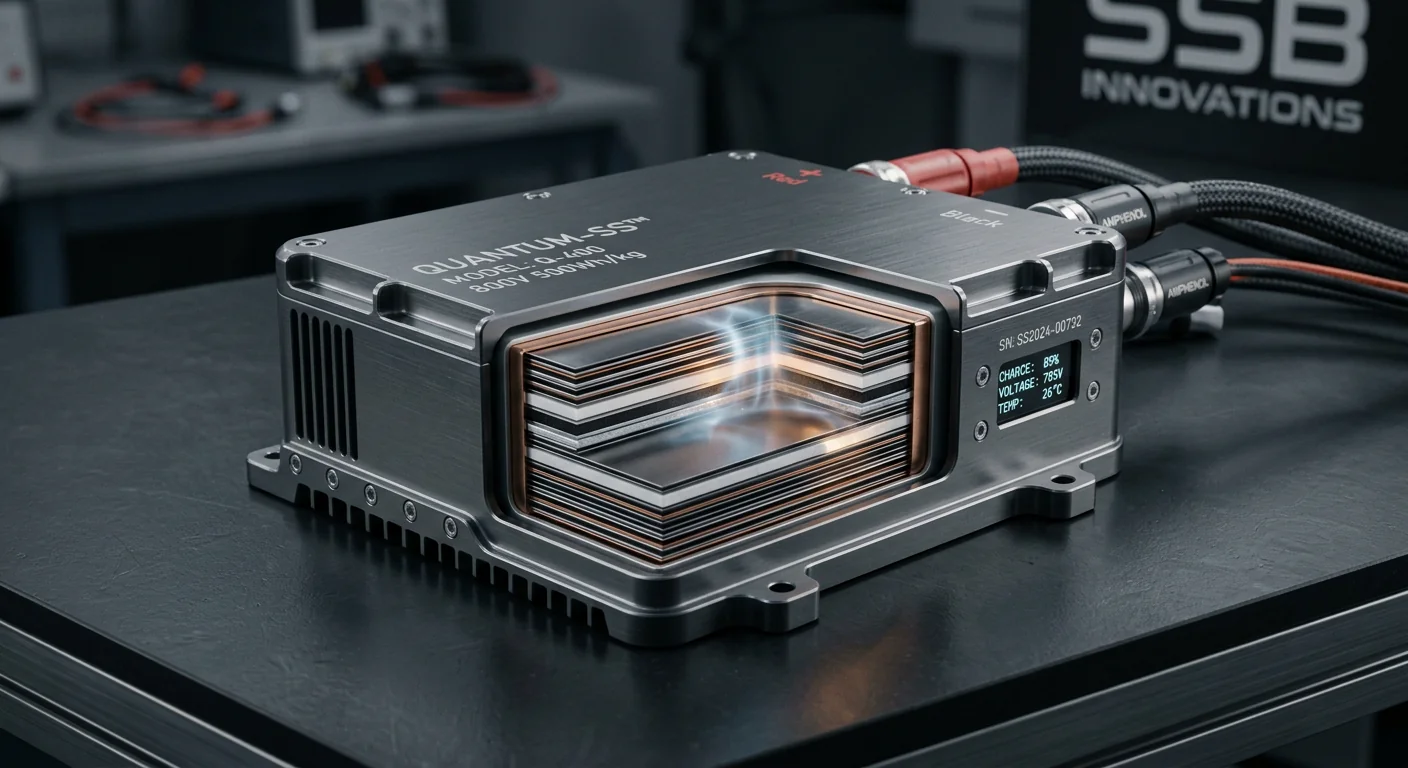
Researchers at the Korea Electrotechnology Research Institute have developed a new technology that could accelerate the market entry of solid-state batteries. They proposed using a nanoscale tin layer to improve the interface between electrodes and the solid electrolyte. This was reported by Ixbt.com xabar.
This reduces internal losses and supports the stable operation of the lithium anode.
The main advantage of the new development is that such batteries can operate efficiently at a relatively low pressure of around 2 MPa. Typically, solid-state batteries require high pressure and complex designs.
This increases their mass, dimensions, and cost.
During testing, cells with this intermediate layer demonstrated an energy density of over 350 Wh/kg. This is a significantly higher figure compared to standard lithium-ion batteries.
Furthermore, after 500 charge and discharge cycles, the batteries retained more than 81 percent of their capacity.
The technology works by reducing resistance at material interfaces and suppressing the growth of lithium dendrites. The nanoscale tin layer creates an additional pathway for ion movement and protects lithium from degradation.
According to the authors, this technology can be applied in electric vehicles, robotics, and energy storage systems.



Comments 0
…