


Scientists find a way to prevent solar energy loss as heat
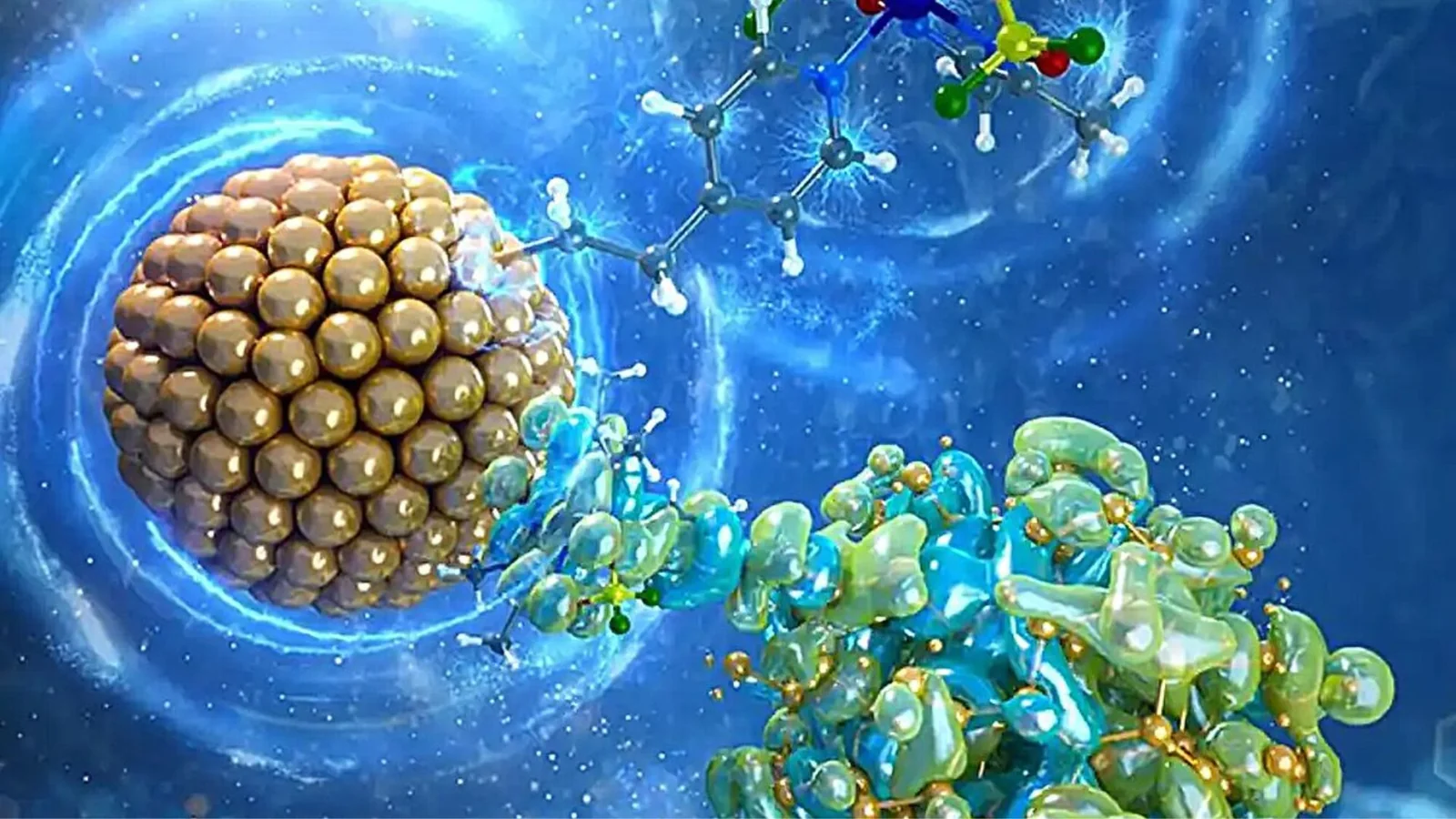
Scientists at the Rocky Mountain National Laboratory have created a new system for converting solar energy. This technology has the potential to operate much more efficiently than traditional solar panels. The key feature of the new development is its ability to trap high-energy particles—"hot electrons"—generated when sunlight is absorbed for a longer duration. This is reported by Ixbt.com reports .
In ordinary solar panels and even in plants, a large portion of the energy harvested from sunlight is lost almost immediately as heat. The new technology allows this energy to be stored for approximately 5 nanoseconds. This is 25,000 times longer than in standard silicon materials.
The system is based on a silicon nanocrystal linked to a molecular catalyst via a special chemical bridge. It is this linking element that alters electron behavior, preventing the energy from dissipating immediately and preserving it for useful chemical reactions.
In the future, this technology could be used to produce hydrogen from water, convert carbon dioxide into fuel, and create fertilizers from atmospheric nitrogen. If this development can be implemented on a large scale, it will serve as a foundation for next-generation solar energy and the "green" chemical industry.


Comments 0
…