


Scientists have recreated the secret of the oldest life on Earth
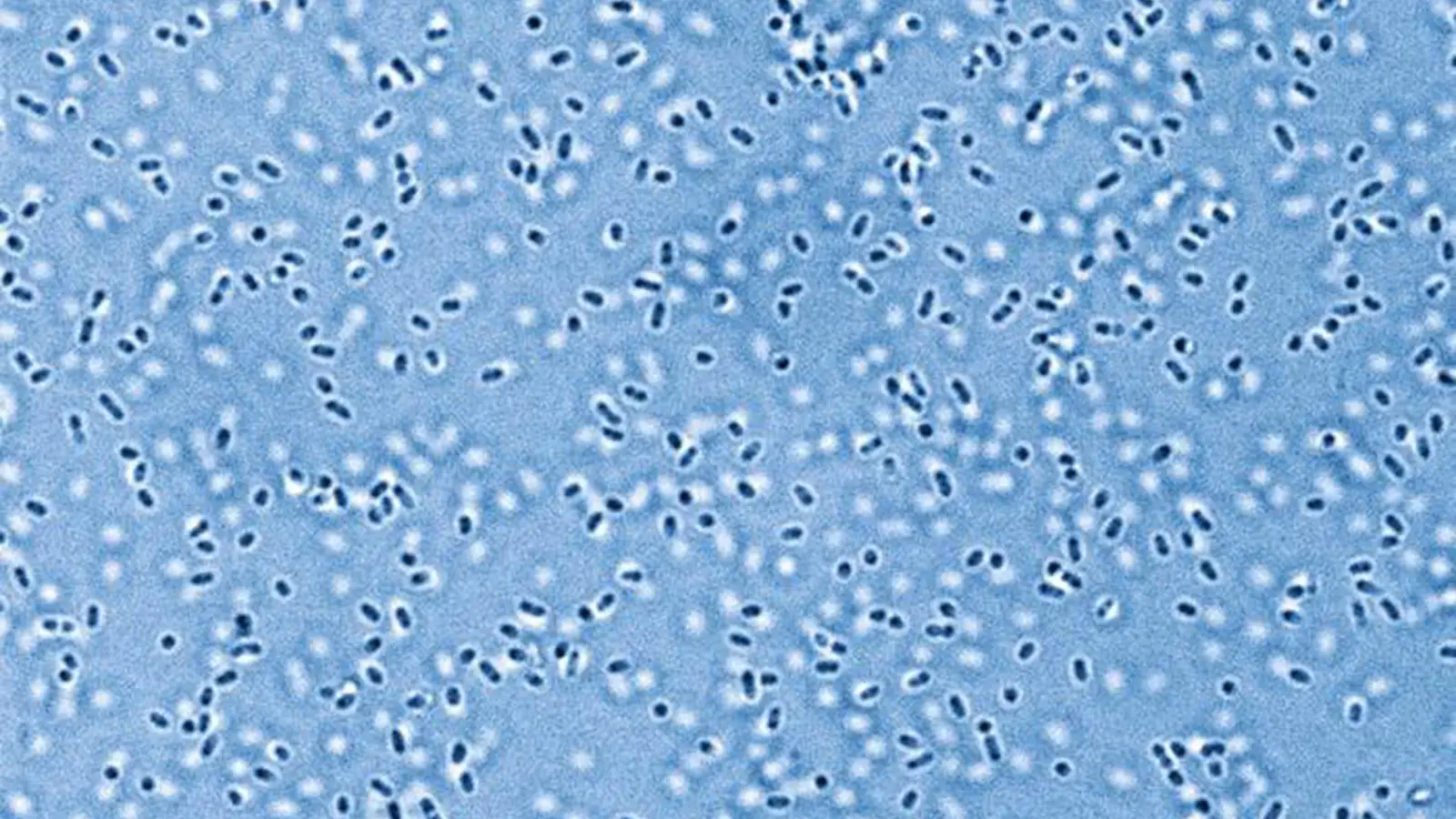
Researchers from the University of Wisconsin-Madison have made a priceless scientific discovery in human history using synthetic biology. Scientists have revived the oldest enzyme that existed 3.2 billion years ago in the laboratory. The research, published in the journal Nature Communications, marks the beginning of a new era in understanding how life originated on Earth.
Nitrogenase: The main "architect" of life
At the center of the research is the enzyme nitrogenase. This biological tool converts nitrogen from the atmosphere into a form that living organisms can absorb. According to Professor Betul Kachar, without this enzyme, the emergence of the biosphere and life forms as we know it would have been absolutely impossible.
Evolutionary reconstruction: The laboratory 3 billion years ago
Scientists used the method of "reverse evolution", unlike traditional geological excavations. They created a model of its ancient "ancestor" based on the structure of modern nitrogenases and inserted it into the genome of living bacteria.
- Environment: This experiment showed how life survived in the early days of Earth, when there was no oxygen and the atmosphere was rich in methane and carbon dioxide.
- Isotope traces: Researchers studied the chemical "signatures" that enzymes leave in rocks - isotope signatures.
A mechanism that has not changed for billions of years
The most surprising thing is that despite the large differences in the DNA structure of ancient and modern nitrogenases, the mechanism by which they work with nitrogen has remained virtually unchanged for billions of years.
- Reliable indicator: This discovery confirms that chemical signatures in ancient rocks are real and reliable evidence of biological activity.
- Cosmic Perspective: Astrobiologists will now be able to use these same “reference” biosignatures to search for signs of life on other planets.
This research not only provides a glimpse into our past, but also lays a solid foundation for finding signs of life on other planets in the future.
Do you think chemical signatures are the best way to search for extraterrestrial life, or are we more likely to find living things like in science fiction?



Comments 0
…