


Xi Jinping is removing high-ranking generals from the army one by one
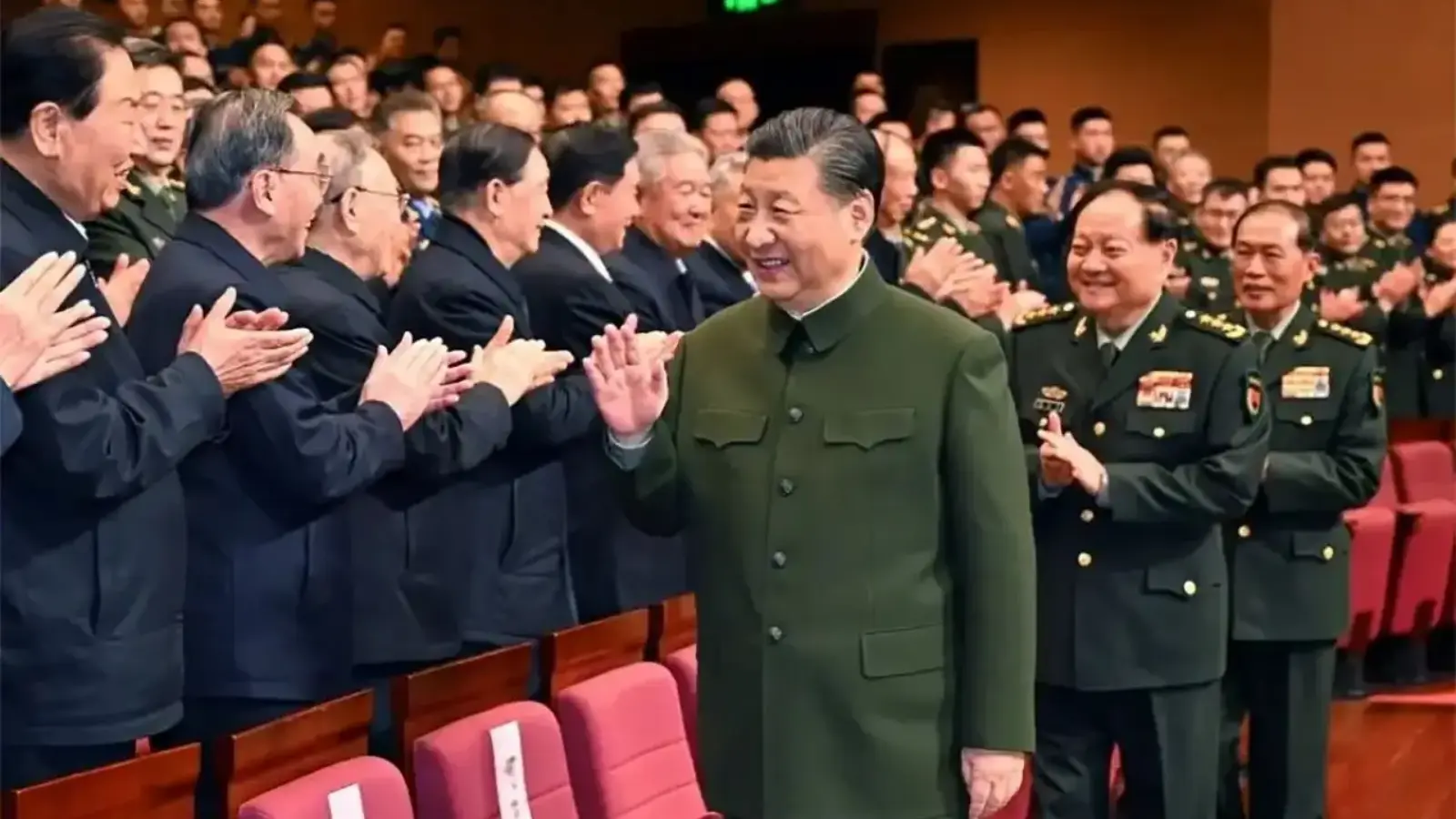
The situation surrounding the Supreme Command of the People's Liberation Army (PLA) in China has reached its most sensational stage in recent years. Under the slogans of "modernization" and "fighting against disciplinary violations," influential generals close to the Central Military Council (CMC) have been removed from the political arena, and investigations are being launched against some of them.
According to reports, a significant portion of the military team formed around Xi Jinping in 2022 has been dismissed or their case under investigation. This situation itself shows that the process is not just a "personnel exchange," but a systematic cleaning.
Among the most frequently mentioned individuals are former Defense Minister Lee Shangfu, who was dismissed in 2023 on the grounds of corruption allegations, Miao Hua, who held a high position in the army's political affairs, as well as former Deputy Chairman of the National Defense Committee He Weidong, who was dismissed from party and military service in October 2025 for "serious violations."
The biggest resonance was further fueled by reports around January 2026: official statements indicated that an investigation into "serious disciplinary and legal violations" had been launched against Zhang Yusya and Liu Zhengli. The mention of figures at this level indicates how high the tremor within the Chinese army has risen.
Unofficial interpretations suggest that this work can be considered not only with "money," but also against the backdrop of a number of problems in the strategic arms sector and failures in large projects. Some analysts link this to the struggle for influence within the elite on the eve of the next party congress.
China expert Adrian Gayges (in a comment to BILD) views these processes as a harsh signal from Xi Jinping to "leave no resistance from within." He believes that even individuals considered very close to Shi are not safe - which could exacerbate the atmosphere of fear and absolute obedience within the system. At this point, opinions were also expressed about the possibility of decisions on the Taiwan issue being made more unilaterally.
In short, this "large purge" in the Chinese army shows two simultaneous scenes: externally - increased discipline and control, and internally - a lack of trust within the elite. In any case, such sharp exchanges have a direct impact on the military-political decisions of a large state.
In geopolitics, one thing is clear: power is not only technology, but also stability. Without stability, even the largest army can become exhausted "from within." Therefore, how these processes in China will continue in the coming months will affect the security atmosphere in the entire region.



Comments 0
…