


Geopolitical tensions escalate around the Strait of Hormuz
Quick readAI-generatedShow
- Geopolitical tensions are escalating around the Strait of Hormuz, a critical maritime chokepoint through which one-fifth of the world's oil passes.
- Despite a temporary ceasefire agreement between the U.S. and Iran, stability remains fragile due to ongoing drone attacks in the region and conflicting reports regarding the strait's accessibility.
- To bypass sanctions, Iran has introduced unconventional measures, such as requesting cryptocurrency payments for passage, while diplomatic efforts continue with Pakistan now acting as a mediator.
The geopolitical situation in the Middle East is once again drawing the world's attention to the Strait of Hormuz. This region is no longer just a geographical point, but is now seen as one of the most crucial links in the global economy and international security system. Recent events indicate that conflicts surrounding this strategic waterway are intensifying in military, economic, and diplomatic arenas.
A Vital Point for Global Energy
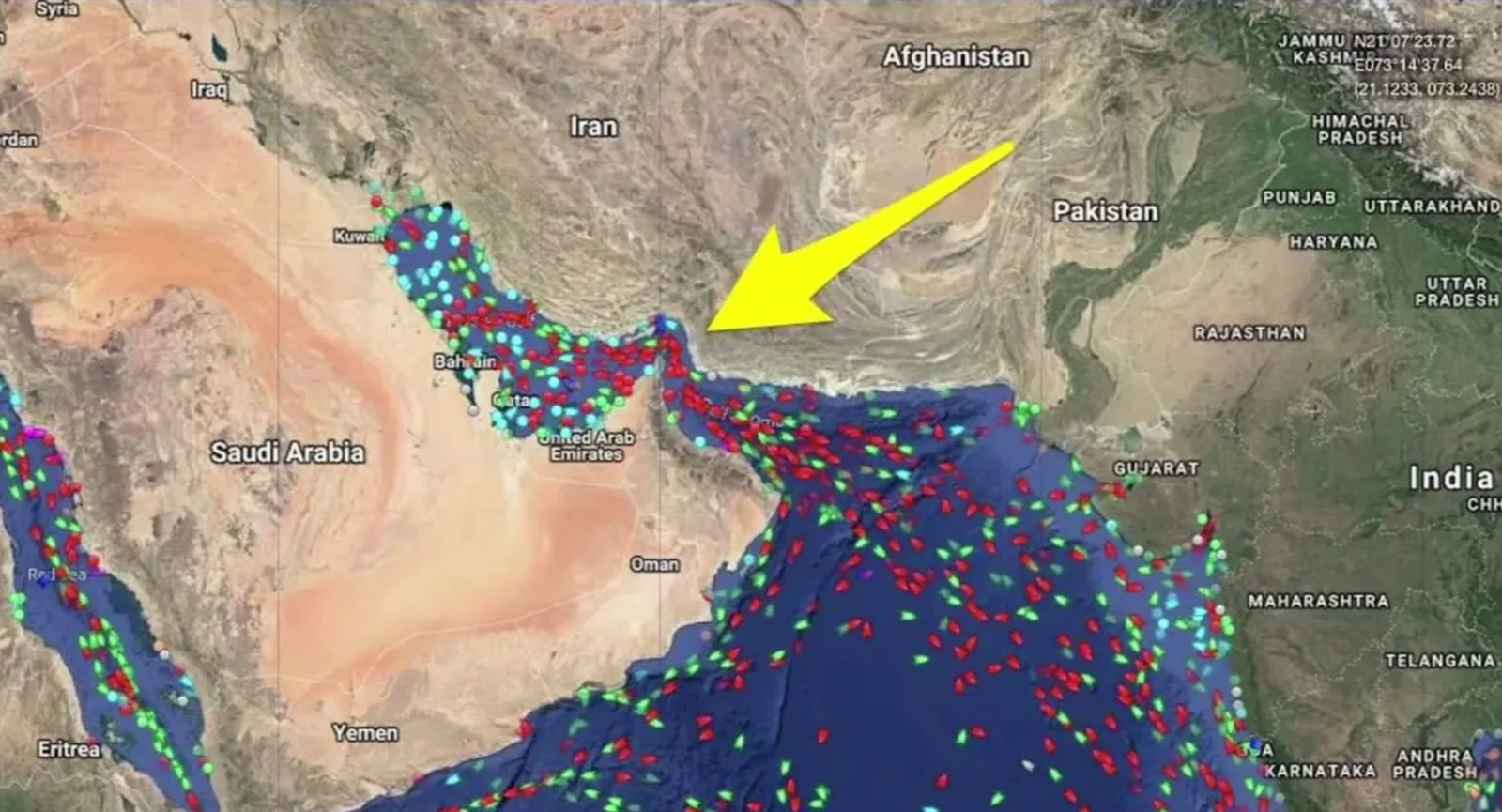
Approximately one-fifth of the world's oil is transported through the Strait of Hormuz. Consequently, it is considered one of the most sensitive points for global energy security. Any instability in this area immediately affects oil prices, causing tremors in global markets.
Amidst recent tensions, it is said that Iran has employed political and strategic pressure by threatening to close this waterway. This decision is being assessed not only as an economic move but also as a strong political signal.
Truce — Real Peace or a Temporary Respite?
On April 8, a two-week ceasefire agreement between the United States and Iran was announced. The initiative was put forward by U.S. President Donald Trump, who demanded the opening of the Strait of Hormuz in exchange for a temporary easing of pressure on Iran.
While Washington viewed this process as a diplomatic opportunity, Tehran presented it as its political advantage. However, experts had harbored doubts about the stability of this truce from the outset.
Contradictions are also observed in official statements: the U.S. side claims the strait is open, while other international sources report that it is operating under a restricted regime. There is even information about ship movements occurring only with permission and the application of additional payment mechanisms in some cases.
Tensions After the Truce
Shortly after the agreement, new explosions were observed in the region. Drone and missile attacks were recorded in the territories of the UAE, Kuwait, and Bahrain. Infrastructure was damaged, and civilians were harmed. Although Iran explained these actions as a response, the international community assessed it as a violation of the truce.
New Tensions Along the Lebanese Front
Israel's military actions in the Lebanese territory are further exacerbating the situation. Although the Israeli army expressed limited support for the truce, ongoing operations along the Lebanese front increase the likelihood of the conflict in the region expanding.
Economic Front: Pressure via Cryptocurrency
The new financial mechanism introduced by Iran – a system of payment in cryptocurrency for passage through the Strait of Hormuz – is considered an unusual step in the international financial system. The aim is to mitigate the impact of sanctions and circumvent external pressure.
A New Player on the Diplomatic Stage
Pakistan has emerged as a mediator in the negotiations. Previously, Oman played this role, but due to a crisis of trust, it withdrew from the process.
The main conflict currently lies in the difference of approaches: Iran is proposing a comprehensive agreement first, while the U.S. is proposing a truce first.
Lack of Trust is the Main Problem
All analyses indicate that the biggest obstacle is the crisis of trust. The parties blame each other, official statements are contradictory, and events are changing rapidly. Therefore, any agreement remains temporary.
Conclusion
From the situation surrounding the Strait of Hormuz, the following conclusion can be drawn: this is a global geopolitical conflict that has not yet been fully resolved. The current truce is merely a temporary respite. If a fundamental agreement is not reached, conflicts in the region could further escalate.
Unfortunately, the path to achieving lasting peace in the Middle East remains long and complex.



Comments 0
…