


The healthiest food isn’t avocado — it’s watercress
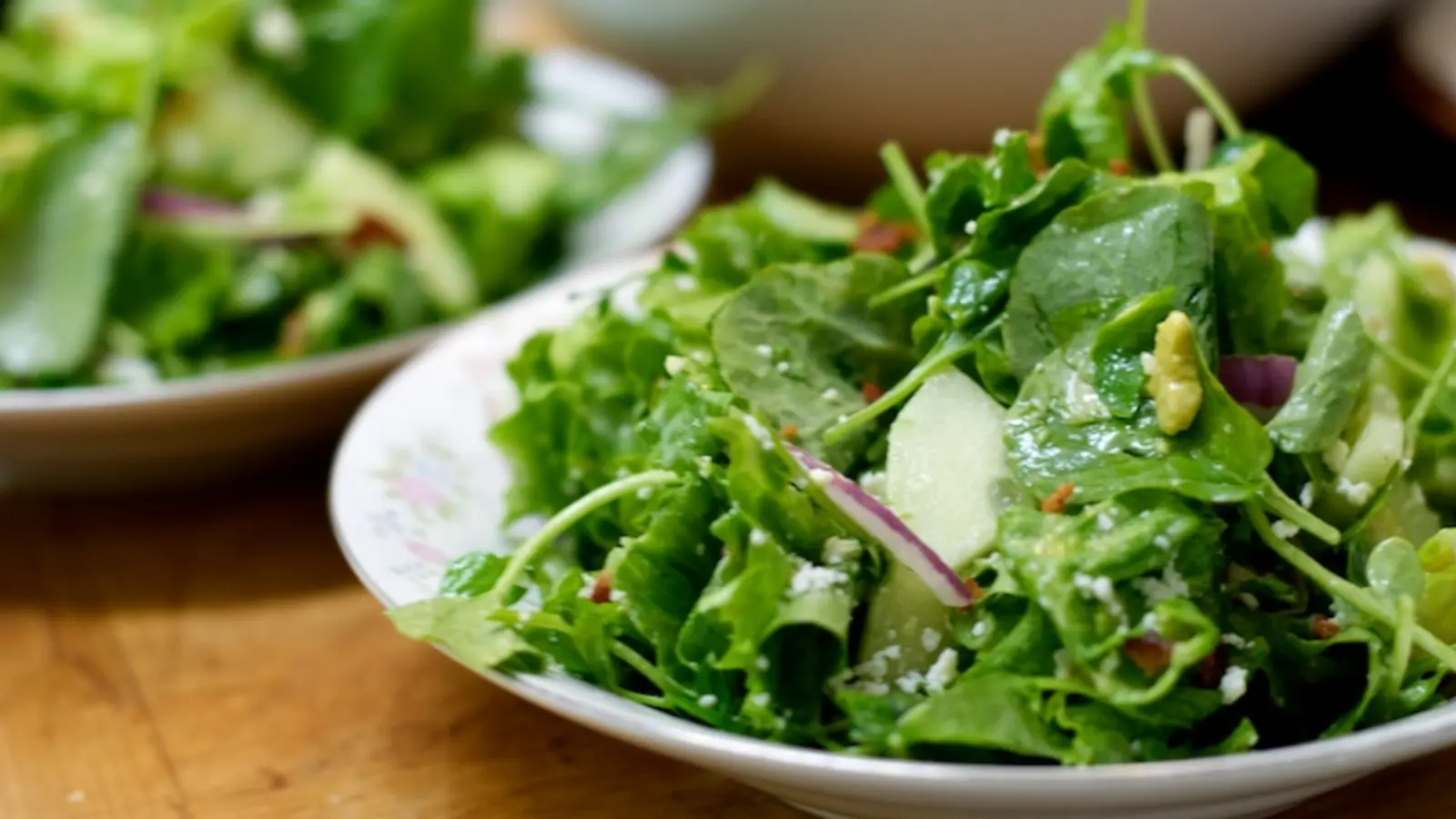
When someone says “the healthiest food,” most people immediately think of avocado, quinoa, or kale. But scientists have put a different contender on that “podium” — watercress. Yes, it’s a simple leafy green, but the result is “I’m shocked too” level.
In a study published in 2023 in the journal “Preventing Chronic Disease,” researchers evaluated 40 foods based on their nutrient density. The items were grouped by nutrient categories, and the team used 17 key indicators as the basis.
What did they consider in the scoring?
A product’s “real benefit” was measured through indicators such as fiber, potassium, protein, B vitamins, vitamins A and D, calcium, and folate. The most interesting part: the ratio of beneficial micronutrients was compared against calorie content. More vitamins and minerals with fewer calories means a higher ranking.
As a result, watercress came out on top: scientists noted that per 100 kcal it can provide 100% of the daily requirement for essential nutrients. For comparison, Chinese cabbage scored 91.99%, chard 89.27%, and spinach 86.43%.
What is watercress’s “strong side”?
This green is noted for containing iron, calcium, and vitamin C, and for offering a total of 14 vitamins, minerals, antioxidants, and other valuable compounds. What’s more, a handful is about 4 calories, yet it’s quite high in vitamins K, C, and A.
So watercress has outperformed the previous “favorites” — avocado, kale, and quinoa.
The best part — it’s not a trend, it becomes a habit
Adding watercress to your diet is easy: toss it into salads, sandwiches, egg dishes, sprinkle it over soup, or mix it into a simple yogurt sauce. The smartest investment in tomorrow isn’t strict “diets,” but small, consistent habits like these.
Just don’t forget: “the healthiest” doesn’t mean “eat only this.” Watercress is a powerful add-on, but the foundation of a healthy life is still balance.



Comments 0
…