


Niko Kovac admitted that "Borussia" was punished in the Champions League for their mistakes
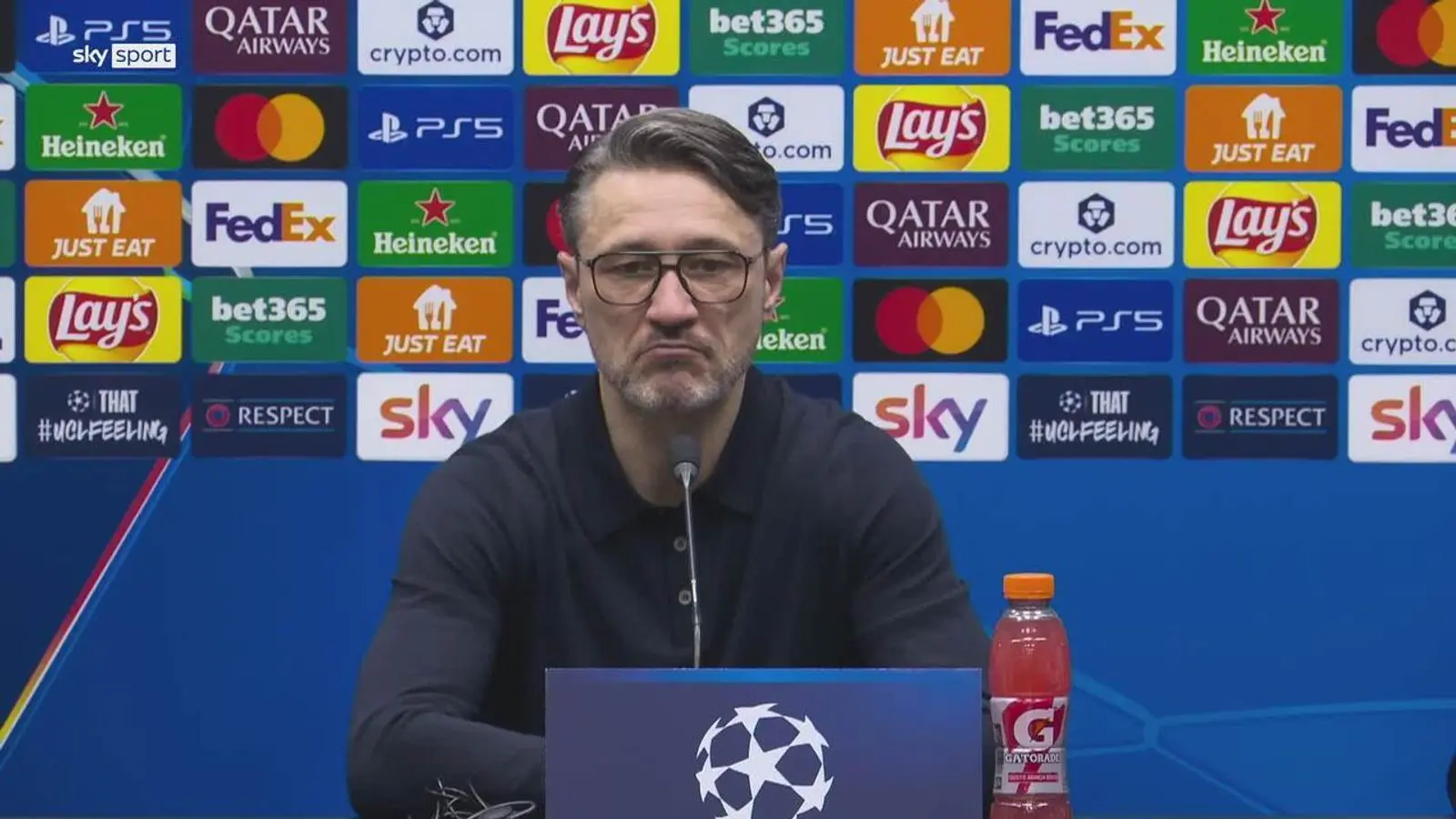
Borussia Dortmund's trip to the Champions League ended painfully. The German club, led by Niko Kovac, lost the return match against Atalanta with a score of 1:4 and withdrew from the competition with a score of 3:4 after two matches. At the Bergamo match, Atalanta made a dramatic comeback, canceling the 0-2 scoreline in the first leg.
Following the match, Borussia Dortmund's head coach, Niko Kovac, openly admitted the opponent's dominance. He first congratulated Atalanta, noting that the Italians, like in the first game, played in their usual style, with high pressure and confidence. Kovac believes his team has barely shown themselves, except for one goal. In a post-match interview, he also openly stated that "they didn't play well today."
The most difficult point in Kovach's words was the topic of mistakes. He noted that the match was very difficult, and Dortmund made many wrong decisions, inaccurate moves, and unnecessary losses. At the Champions League level, such shortcomings are not forgiven: every mistake is punished by the opponent. He expressed this idea very clearly - if you concede four goals, it's difficult to survive at such a stage.
Indeed, the game script gradually derailed for Borussia Dortmund. Atalanta scored early, then increased their lead, and intensified pressure again in the second half. Although Dortmund slightly revived the intrigue through Karim Adeyemi, penalties and defensive errors in the final minutes put an end to all hopes. The decisive goal was scored by Lazar Samaržić from a penalty in extra time.
In short, Kovac's statement clearly showed one thing: "Borussia" was not only under pressure from the opponent that night, but also became a victim of their own mistakes. "Atalanta," taking advantage of these shortcomings, advanced to the next stage thanks to willpower and character. For Dortmund, this defeat will be a hard lesson - if you relax for a moment in the UCL, it's fate, not a scoreboard, that writes the score.



Comments 0
…