


New AI creates useful polymer structures
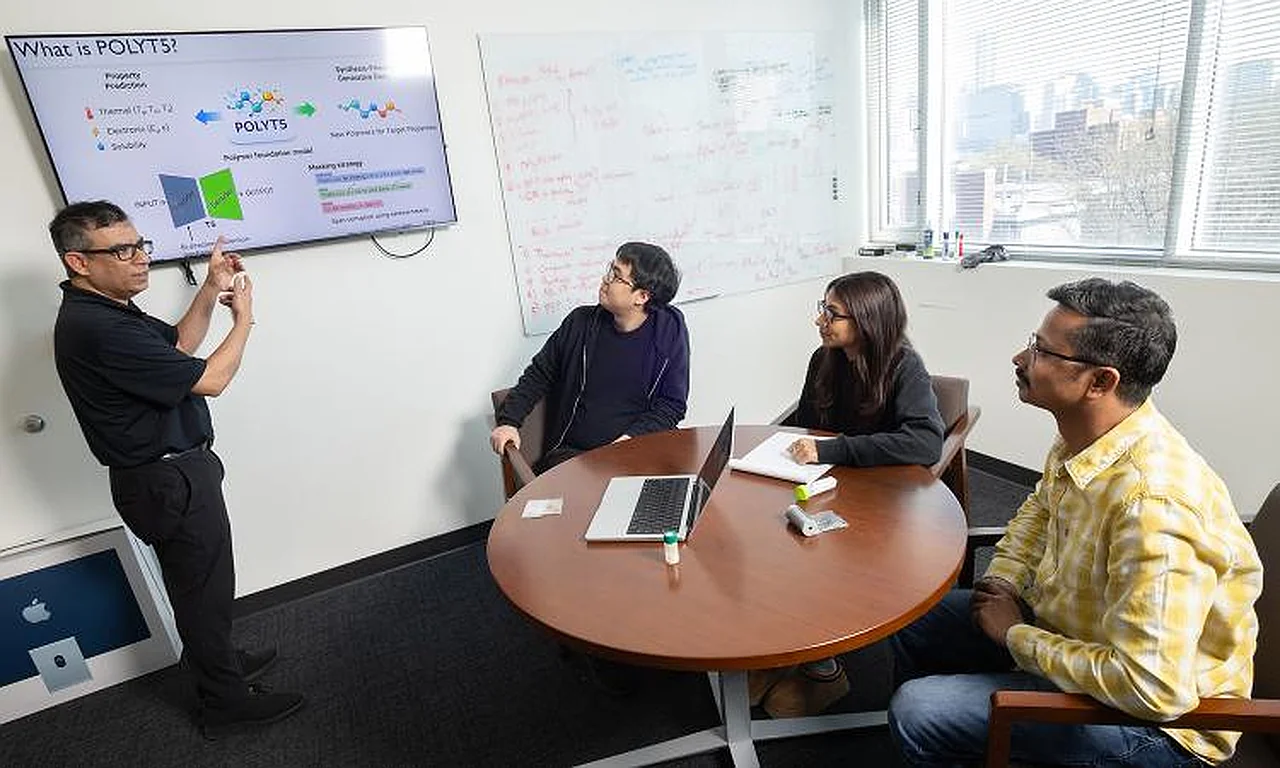
Researchers at Georgia Tech have developed what they describe as the first generative AI models for polymer design that were also confirmed through laboratory testing. The system allows users to enter the properties they want in a polymer, and the model then proposes chemical structures that could meet those needs. Reports Coe.gatech.edu.
The project was led by materials scientist Rampi Ramprasad and presented in the journal npj Artificial Intelligence. The new tool, called POLYT5, was built to understand the “grammar” and “semantics” of chemistry, much like language models learn how words fit together in sentences. According to the team, this helps the AI avoid suggesting impossible or chemically invalid structures.
The researchers said earlier AI methods often produced polymer ideas that could not actually be made in a lab. POLYT5 was trained on more than 12,000 experimentally produced polymers as well as over 100 million hypothetical candidates, with a focus on structures that are realistic to manufacture. A related model, polyBART, was also developed as part of the effort.
To test the approach, the team asked the models to design polymer dielectrics, materials used in devices that need short bursts of energy, including electric vehicles and defibrillators. The researchers then created and validated a test material in the lab, providing physical evidence that the AI-generated designs can work outside a computer simulation.



Comments 0
…