


Chinese scientists derive raw materials for next-gen batteries from waste
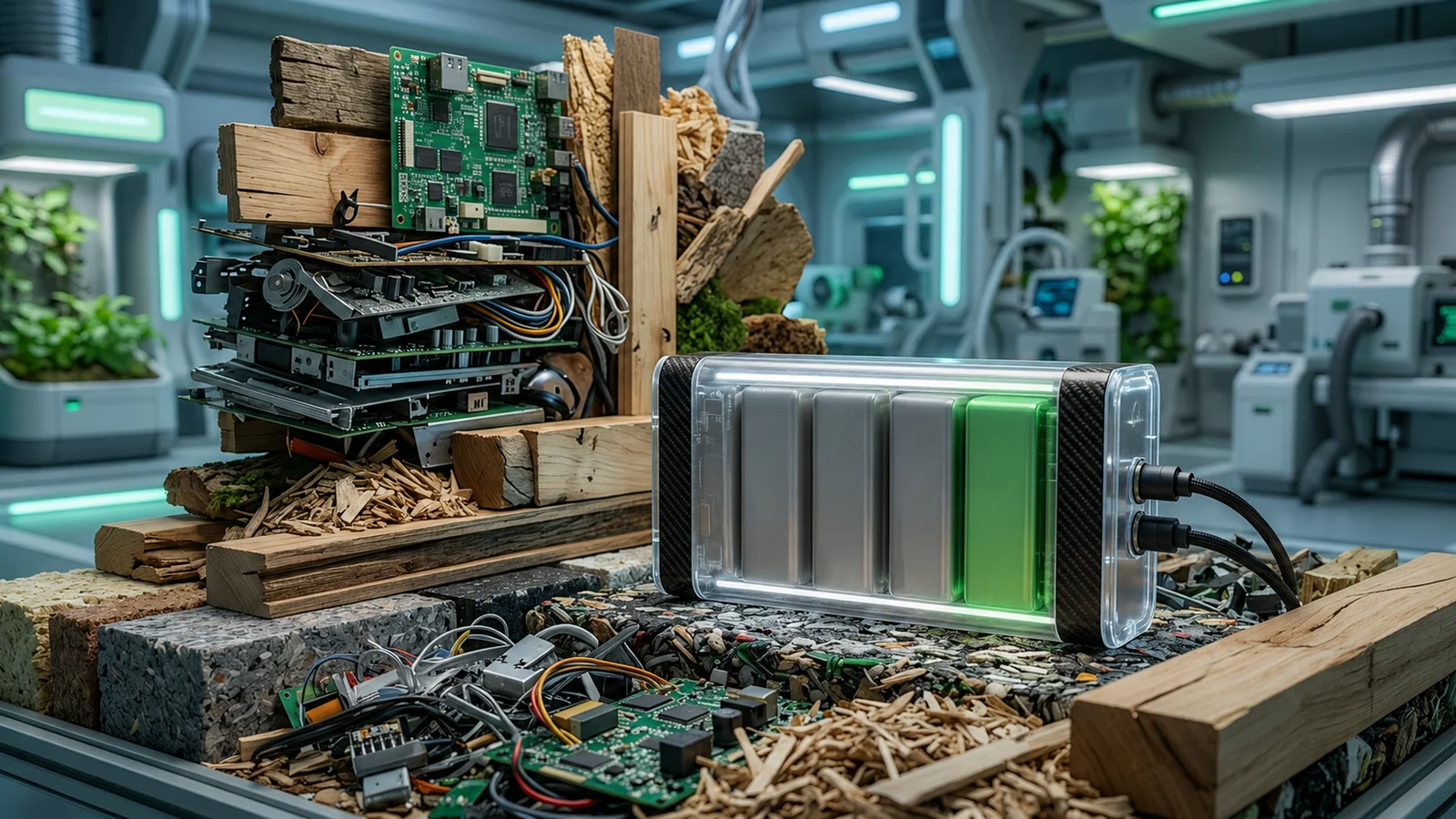
Chinese researchers have developed a new method to convert old mobile phone batteries and wood industry waste into components for sodium-ion energy storage devices. The anode material, created by scientists from Henan Normal University and Qilu University of Technology, consists of a mixture of metals and carbon derived from lignin. This was reported by Ixbt.com reports.
Experts extracted metal compounds from used batteries and mixed them with purified lignin. After chemical processing and carbonization in a nitrogen atmosphere, the material acquired a unique porous structure resembling a honeycomb. This architecture ensures easy electrolyte penetration and accelerates the movement of sodium ions.
The study authors note that lignin does not just act as a carbon additive. It helps form a Co9S8 sulfide phase during the processing, which creates an efficient dual-phase structure within the anode. This, in turn, increases electrical conductivity and ensures stability over numerous charge and discharge cycles.
During tests, the material demonstrated an initial capacity of over 1060 mAh/g. Even after 300 cycles, the material maintained its efficiency. This technology is expected to be a significant step toward producing affordable and eco-friendly batteries for electric vehicles, energy storage systems, and portable electronics in the future.



Comments 0
…