








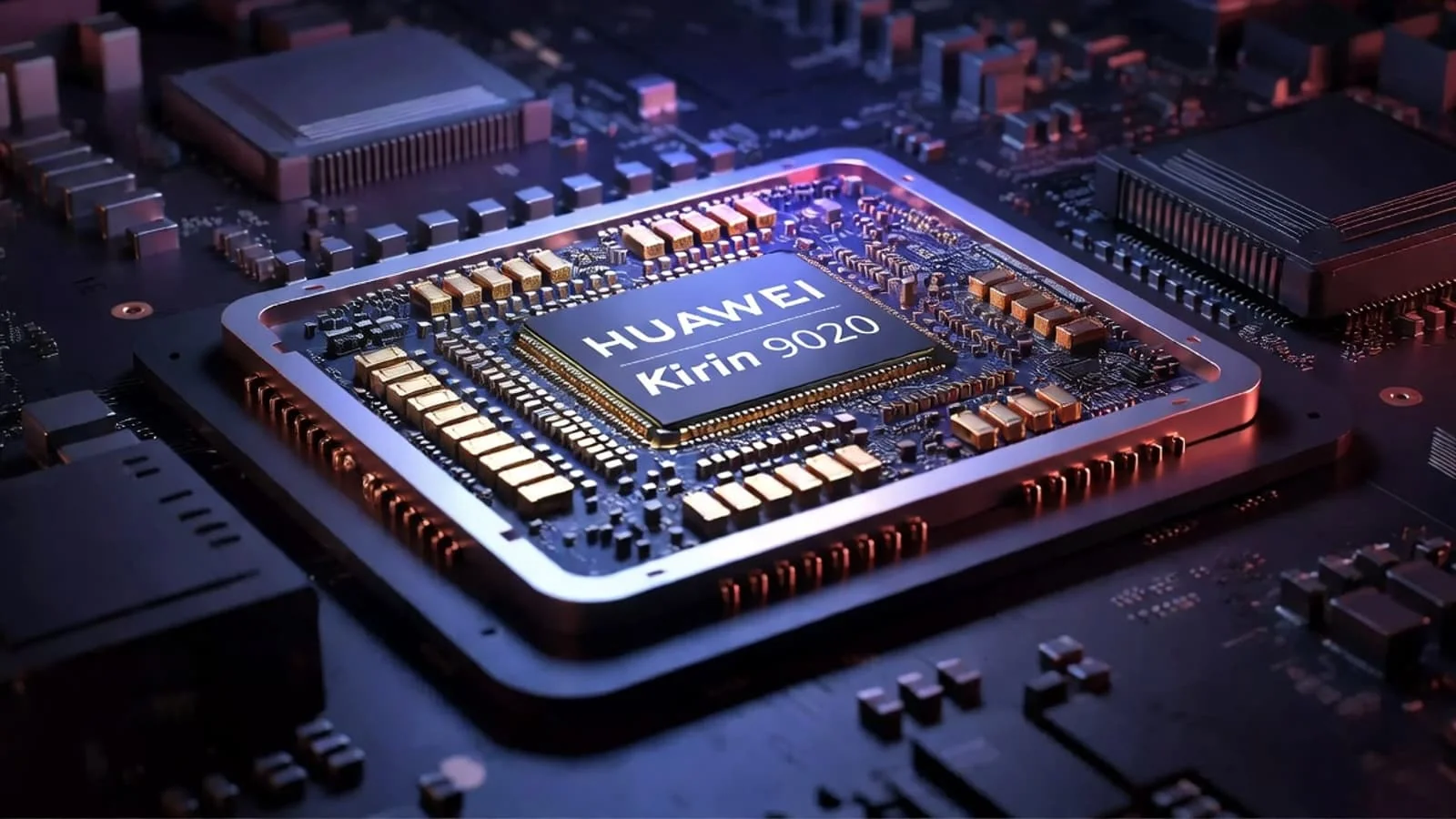
Huawei has announced it is moving away from Moore's Law, which has guided mobile semiconductor development for fifty years, in favor of the Tau Scaling Law. According to Moore's Law, the number of transistors on a microchip should double every two years. However, extreme transistor miniaturization is causing quantum issues like physical silicon limits, current leakage, and overheating. This is reported by Ixbt.com reports .
While manufacturers like TSMC and Samsung are focusing on 3nm and 2nm process nodes, Huawei has chosen a completely different path. The Tau Scaling Law is based on signal optimization over time rather than traditional geometric shrinking. This method reduces data travel time across the chip and eliminates the need to shrink transistors to sub-nanometer levels.
This technological solution allows smartphones to perform complex AI-related tasks without overheating and while saving battery life. Huawei experts state that chips based on the Tau Law are competitive with traditional methods in terms of energy efficiency.
Previously, company executive He Tingbo announced plans to use "Logic Folding" technology to increase the performance of Kirin 5G processors. New generation Kirin SoC chips are expected to be introduced in the fall of 2026. Additionally, Huawei is working on creating 1.4nm-level chips while bypassing sanctions.
Read “Zamin” on Telegram!