


In Uzbekistan, 70% of water is lost along the way
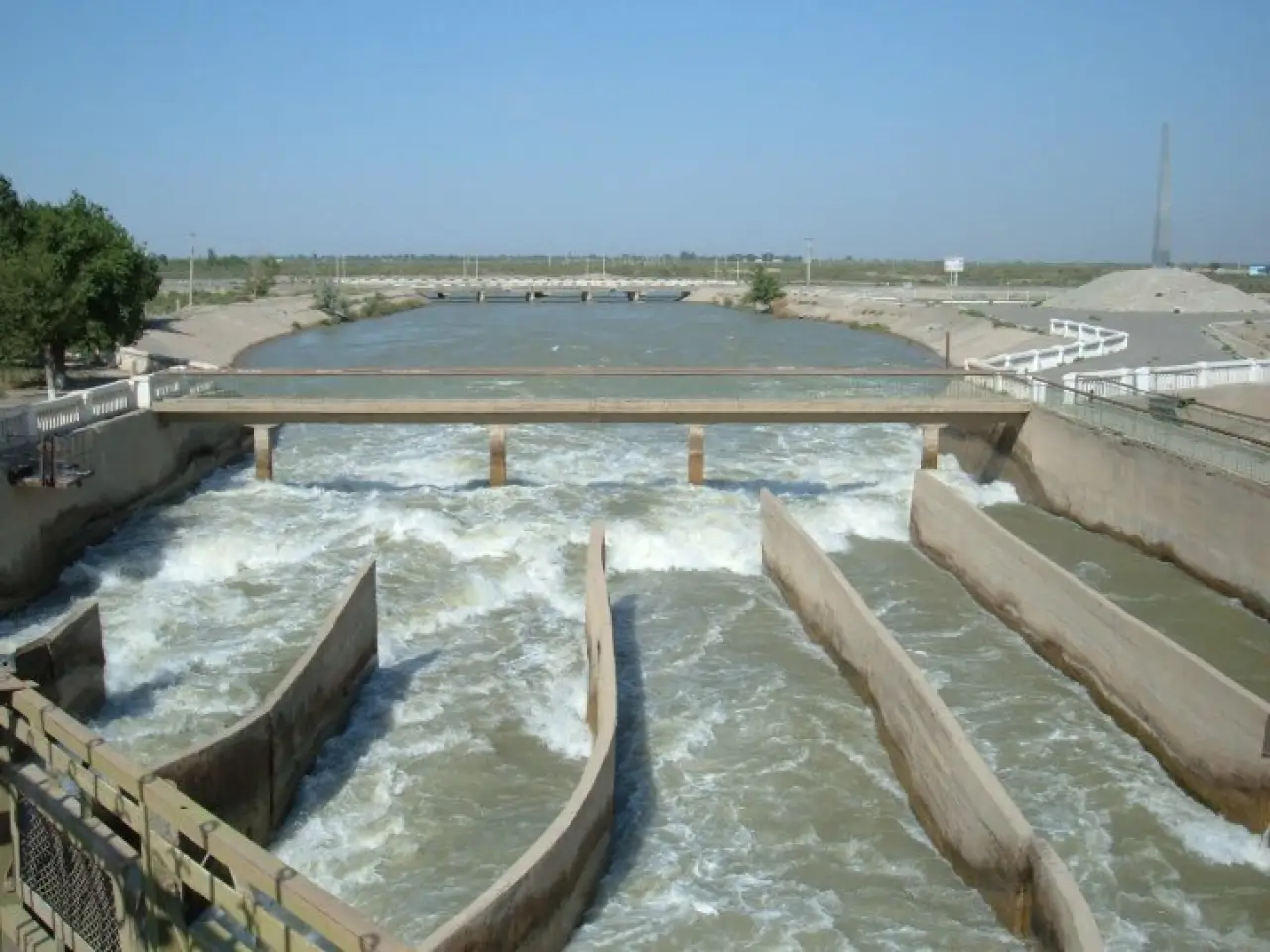
In a new analytical report released on Monday, the Asian Development Bank (ADB) noted that years of expanding irrigated land in Uzbekistan have sharply altered the hydrological regime of the Amu Darya basin. Experts stressed that human activity has disrupted the river’s natural flow, causing ecosystems to “fall out of balance” and reducing the ability to restore water resources during drought periods. This was reported by upl.uz.reports.
The most serious “weak point” is infrastructure: according to the report, up to 70% of water is lost during transport—before it reaches farms from the main water channels. Even so, over the past 12 years the overall stability score of the country’s water supply system has remained almost unchanged, hovering around 5 points. A similar “standing still” trend was observed in neighboring Kazakhstan, Kyrgyzstan, and Turkmenistan.
Against this backdrop, Tajikistan stands out: in 2020–2025 the country’s score rose from 3 to 4 points. The ADB links this to unpopular but effective steps—particularly the gradual increase of water-use tariffs, which encouraged more efficient use of the resource.
The report also specifically recognized Tashkent’s progress in ensuring water security for rural residents. The figures show that the rural clean-water access index was 6.4 points in 2013, reaching 8.2 points by the end of 2025. This shift also directly affected social indicators: rural health levels increased from 7.6 to 9.2 points over 12 years.
ADB representatives said that today’s rural hygiene and water-supply indicators in Uzbekistan demonstrate in practice what long-term public investment and cross-sector coordination can achieve. According to international experts, a proactive approach to managing climate risks amid regional water scarcity has not only helped maintain the country’s position but also significantly improved quality of life outside major cities.
Although the Amu Darya is considered Central Asia’s most water-rich river, excessive withdrawals for irrigation have meant that for several decades it has barely reached the Aral Sea. As a result, a new desert—Aralkum—has formed on the former seabed.


Comments 0
…