


Tashkent showcased its cultures in unity
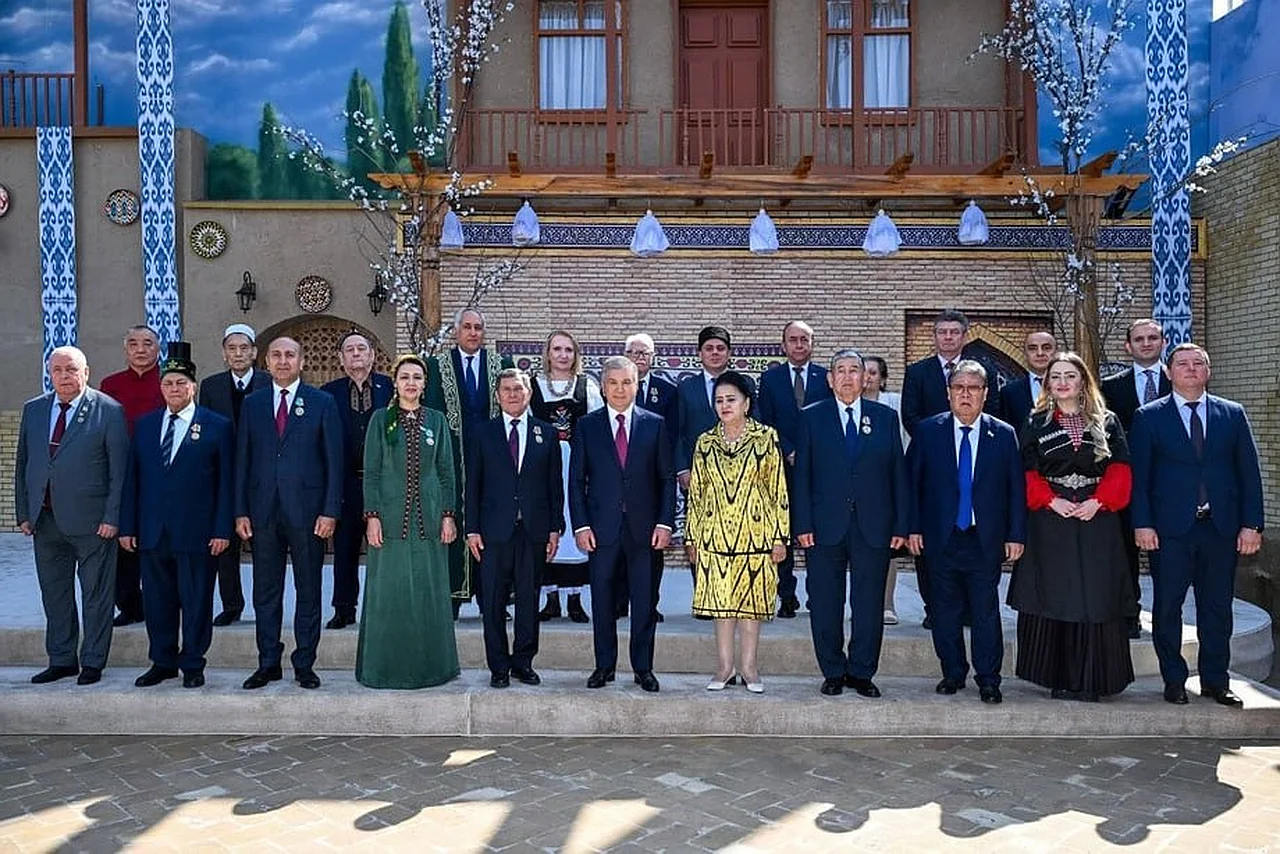
President Shavkat Mirziyoyev visited the Pavilion of National Cultural Centers in Tashkent’s Yakkasaray district, where Uzbekistan’s policy of interethnic harmony was put on vivid display through architecture, exhibitions and live performances. The complex, built near Friendship Park and the Committee on Interethnic Relations and Friendly Ties with Foreign Countries, brings together national spaces reflecting the heritage of 22 communities and serves as a symbolic meeting point for the country’s diverse society.
Uzbekistan is home to representatives of more than 130 nations and ethnic groups, while 157 national cultural centers currently operate across the country. This diversity has been shaped over centuries and is regarded as one of the republic’s distinctive social features. State policy has long treated the preservation of civil accord, support for national cultures and the strengthening of mutual respect among communities as strategic priorities. Officials also link this approach to the education of younger generations in the spirit of tolerance, solidarity and shared civic responsibility.
The pavilion visited by the head of state is designed to reflect that policy in physical form. The site includes traditional yurts of the Kazakh, Kyrgyz, Turkmen and Bashkir peoples, as well as two-story friendship houses representing Korean, Belarusian, Ukrainian, Greek, German, Dungan, Polish, Jewish, Georgian, Armenian, Tatar and Crimean Tatar, Uyghur, Turkish, Tajik, Chinese, Russian and Azerbaijani communities. Each interior has been decorated in line with the customs and visual traditions of the respective people, creating an immersive presentation of their identity within a shared national space.
The exhibition sections feature national costumes, musical instruments, examples of decorative and applied arts, historical models and numerous artifacts linked to cultural memory and heritage. In practical terms, such displays do more than preserve folklore: they create a public narrative in which cultural distinctiveness is not seen as a source of separation, but as a contribution to a broader Uzbekistani identity. That message has become especially important as the country continues to modernize while seeking to maintain social stability and a strong sense of civic cohesion.
The visit took place amid Navruz celebrations, and the holiday atmosphere added special significance to the event. Navruz traditionally symbolizes renewal, kindness and unity, making it a fitting backdrop for a gathering centered on friendship among peoples. Mirziyoyev toured the national spaces, became acquainted with their activities and spoke warmly with participants. His interaction with community representatives underscored the authorities’ intention to keep direct dialogue with cultural institutions at the center of public life rather than treating them as purely ceremonial structures.
During the meetings, special attention was given to the contribution of national cultural centers to organizing major public holidays in a high spirit and to enriching the country’s social and cultural environment. Gratitude was expressed to citizens of different ethnic backgrounds for their patriotism and dedicated work in strengthening Uzbekistan’s social and economic potential. In this sense, the pavilion visit carried not only a ceremonial meaning, but also a political and social message: national unity is being presented as a practical foundation for development, not merely an ideal.
The president also watched an artistic program prepared for guests of the pavilion and posed for photographs together with representatives of the national cultural centers. The event highlighted how Uzbekistan seeks to combine cultural plurality with a common civic framework, using public spaces, holidays and institutions to reinforce mutual trust. As the country continues to promote internal stability and openness, such initiatives remain central to its narrative of unity in diversity.



Comments 0
…