


Risk assessment system to be introduced in the tourism sector
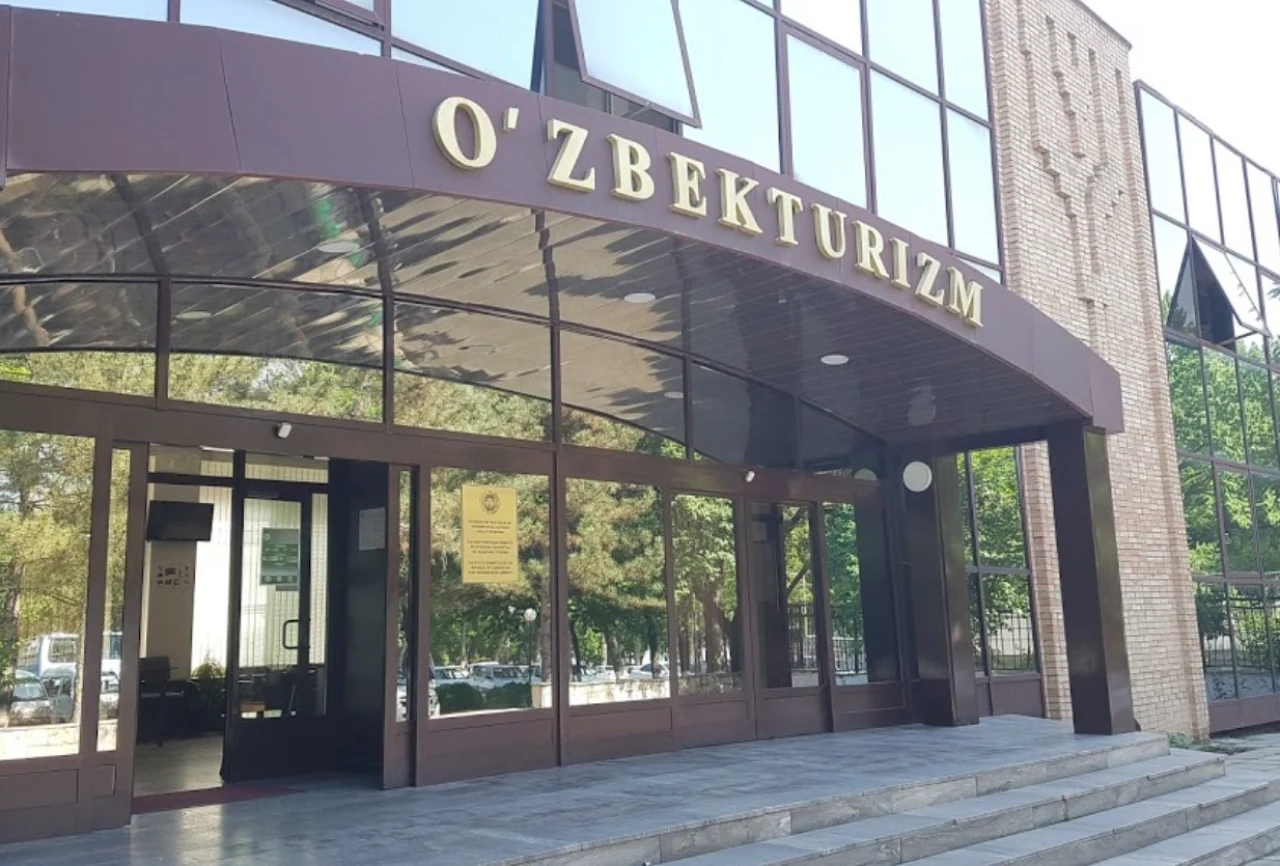
A new evaluation procedure for business entities operating in the tourism sector is planned for introduction in Uzbekistan. This involves monitoring the activities of tour operators, travel agents, and accommodation providers through an electronic "risk analysis" system.
The main goal of the new system is to identify potential violations in the tourism market in advance, strengthen preventive measures, and increase transparency in the sector. In other words, this procedure is being developed not just for punishment, but to identify and prevent problems early.
According to the draft regulation prepared by the Tourism Committee, tourism entrepreneurs will be evaluated based on specific criteria. Tour operator activities, travel agency services, and accommodation facilities will be considered as separate categories, allowing for a tailored approach to the requirements and risk factors of each.
According to the document, the assessment will be carried out based on a "scoring" system. Business entities will be categorized into "high," "medium," and "low" risk levels based on their accumulated indicators. This practice will help oversight bodies determine where to focus their attention and identify which businesses are stable and low-risk.
An important aspect is that during the risk analysis process, entrepreneurs will not be required to provide additional documents or specific information. This serves to reduce excessive paperwork and bureaucratic burdens for business representatives. In short, the system analyzes data through existing sources.
Furthermore, the results of the electronic system cannot automatically serve as a basis for punitive measures. This is a crucial point. Even if an entrepreneur falls into the "high risk" category, it does not mean they will be immediately punished. Such an assessment primarily serves to study the situation and take preventive measures.
Analyses will be conducted based on licenses, statistical data, citizen complaints, media reports, and information from social networks. At the same time, inspections must be registered through the "Unified State Control" information system, which ensures that control processes are orderly and transparent.
Another notable aspect is that interference in the activities of business entities assessed as low-risk will not be permitted. This is a positive signal for honest and compliant businesses. In other words, those who follow the rules and maintain service quality should not be bothered by excessive inspections.
Overall, the new electronic system aims to strengthen an environment of responsibility, order, and trust in the tourism sector. If implemented correctly and fairly, it will protect the interests of tourists and establish a clear, understandable control mechanism for entrepreneurs.
In short, the question of "who is working how?" in tourism can now be answered by numbers, criteria, and automated analysis. This will be the next important step in regulating the sector.



Comments 0
…