


Unified Control System to be Created for Food Safety
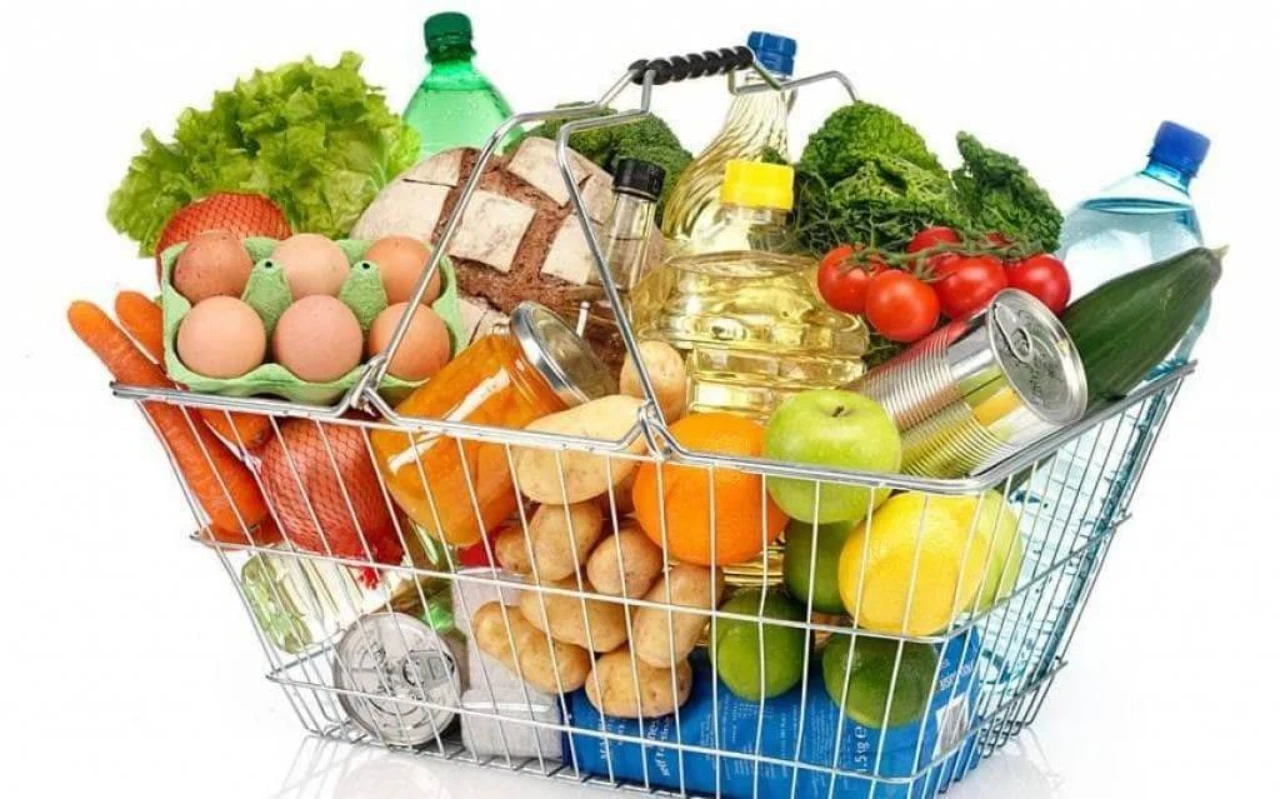
An important presidential decree has been adopted in Uzbekistan aimed at fundamentally improving the management and control system in the fields of food safety, phytosanitary, and veterinary services. This document envisages establishing a more orderly, transparent, and international-standard-compliant process from “farm to fork” in the country.
One of the main goals of the decree is to streamline overlapping functions among responsible agencies and form a unified state management system. This means responsibilities in food safety, veterinary, phytosanitary, and quarantine control will be clearly defined, excessive bureaucracy reduced, and the decision-making process simplified.
The new system will operate on the “farm to fork” principle. This means the entire chain, from cultivation to storage, transport, processing, sales, and consumption, will be monitored based on risk analysis. This approach serves to identify and prevent risks in advance rather than just reacting after problems occur.
The decree also mandates aligning current sanitary rules with international requirements. Specifically, standards will be harmonized with the Codex Alimentarius, the World Organisation for Animal Health, and the International Plant Protection Convention. This is a crucial step to increase the competitiveness of Uzbek products in international markets.
According to the document, a Food Safety Committee will be established based on the Plant Quarantine and Protection Agency and the Veterinary and Livestock Development Committee. Simultaneously, the Livestock and Pasture Development Agency will begin operations under the Ministry of Agriculture. These changes aim to centralize responsibility and improve control quality.
Starting January 1, 2027, certain functions in ensuring food safety will be gradually transferred to the private sector. This is planned to leverage private sector capabilities while maintaining the effectiveness of state control. In other words, a new model will emerge where both the state and business operate in their respective roles.
Additionally, a Food Safety Institute will be established under the Committee. This institute could become a key center for scientific analysis, personnel training, standard improvement, and risk assessment.
The decree also has important aspects for entrepreneurs. According to the decision, storage costs for goods directed for inspection will be reduced by up to 60 billion soums. This will be a significant relief for business representatives, as excessive waiting, storage costs, and paperwork mean time and money for every entrepreneur.
The time spent on controlling imported goods with a medium phytosanitary risk level will also be reduced. Previously, this process took an average of 3 working days, and it is now set to be reduced to 1 working day. This will help accelerate import processes, stimulate product turnover, and ensure supply stability in the market.
From August 1, 2026, an automated risk-based selection mechanism will be introduced for phytosanitary control of quarantined products. This reduces the human factor, and the system will automatically determine which cargo needs deeper inspection based on the risk level.
The risk management system will be formed on the “E-Fitouz” electronic portal and integrated with the Customs Committee’s “Single Window” information system. This digitalization process serves to make phytosanitary control fast, open, and convenient. Paperwork will decrease, and data will be maintained in a single electronic space.
Starting August 2026, as a pilot project, the activity of public inspectors will be introduced in certain districts specializing in fruits and vegetables to carry out phytosanitary control from cultivation to export. This allows for strengthening control at the local level and ensuring the quality of export products at an earlier stage.
Another important innovation is that from January 1, 2029, the export of fruit and vegetable products will be carried out only through agrologistics centers. This procedure is aimed at organizing the sorting, storage, packaging, certification, and preparation for export based on a single standard.
In short, this decree initiates major systemic changes in the field of food safety. Control will now be based more on risk analysis, digitalization, and international standards. This means safer products for the consumer, faster processes for the entrepreneur, and more reliable markets for the exporter. The direction is right: less paper, higher quality, and clear responsibility.



Comments 0
…