


White House: 800 executions not carried out in Iran under Trump's pressure
The White House has responded to US President Donald Trump's claim that "Iran did not carry out 800 executions under US pressure." White House Press Secretary Caroline Livitt made a statement on Thursday, January 15th.
According to him, according to the president's information, 800 executions were "planned" and were supposed to be carried out on January 14. However, Livitt did not explicitly state the sources on which this information was based.
Trump, however, claimed that "very important sources" had previously informed him about the cessation of executions in Iran. Livitt added that the US president continues to monitor the situation, while also leaving all possible options for action open.
These days, various signals regarding the situation in the region have also increased. The Al Hadath television channel reported that the Iranian government has ordered the closure of airspace in the border area with Iraq. The Dpa agency noted that this information has further strengthened the speculation about a possible airstrike by the US. The White House press secretary emphasized that "only President Trump knows what he will do," and only a very small group of advisors are aware of his plans.
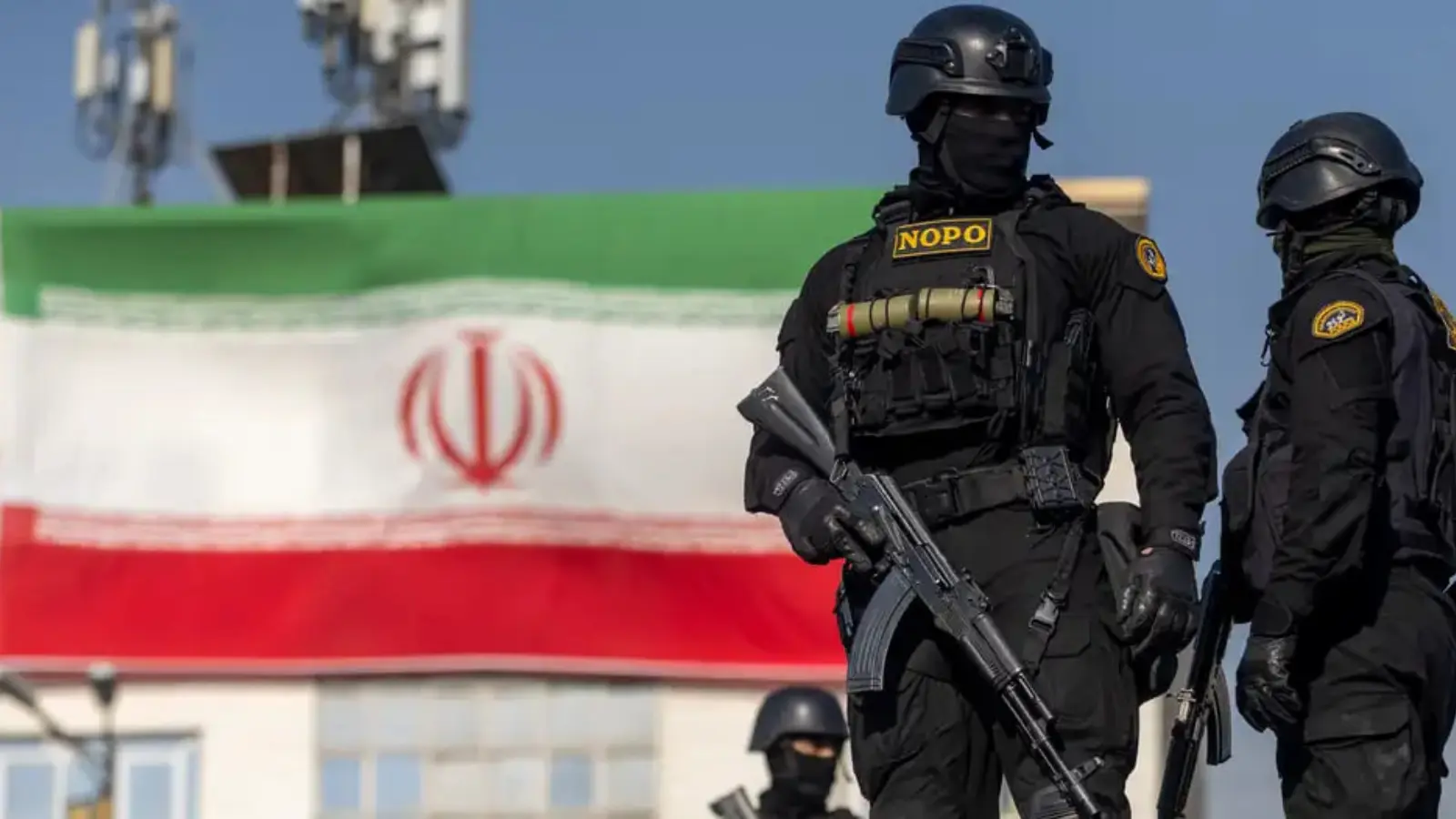
Within Iran, judicial and official statements are attracting attention with their intensity. On January 14, it was reported that the head of the Iranian judiciary, Gholam Hossein Mohseni-Edjei, stated the need to expedite court proceedings against the 18,000 people detained during the protests and sentence some of them to death. At the same time, Iranian Foreign Minister Abbas Araghchi, in an interview with Fox News, emphasized that the government "has no plans to hang people at all."
According to the US-based human rights organization HRANA, at least 544 people have died and more than 10,600 have been detained during the ongoing unrest in Iran.
The protests reportedly began on December 28, 2025. On the same day in Tehran, shop owners closed outlets in protest of the worsening economic situation, and later residents of other major cities joined the actions. On December 30, reports emerged of the first clashes between protesters and police, and that law enforcement agencies used tear gas. Soon after, the speeches took on a political character: some participants began chanting the slogan "Death to the dictator," while protesters demanded a change of regime and the rise to power of Crown Prince Reza Pahlavi, who is living in exile.
The economic background is also serious: Iran's economy is experiencing serious difficulties due to inflation around 40% and Western sanctions.
On January 2nd, Trump warned on Truth Social that the US could intervene if shots were fired at peaceful protesters. Later, the protests escalated into unrest: Tehran Mayor Alireza Zakani stated that more than 50 banks and several government institutions were burned during the events on the night of January 9th, and more than 30 mosques were destroyed in the fire.
The current situation indicates that Washington's statements, sharp decisions within Iran, and alarming signals in the region are "chasing" each other. The most important question remains open: is the claim about 800 executions really a verified fact or just another thesis in a game of political pressure. Time and the development of events show the answer to this.



Comments 0
…