


Will Venezuelan oil become a political weapon in Trump's hands?
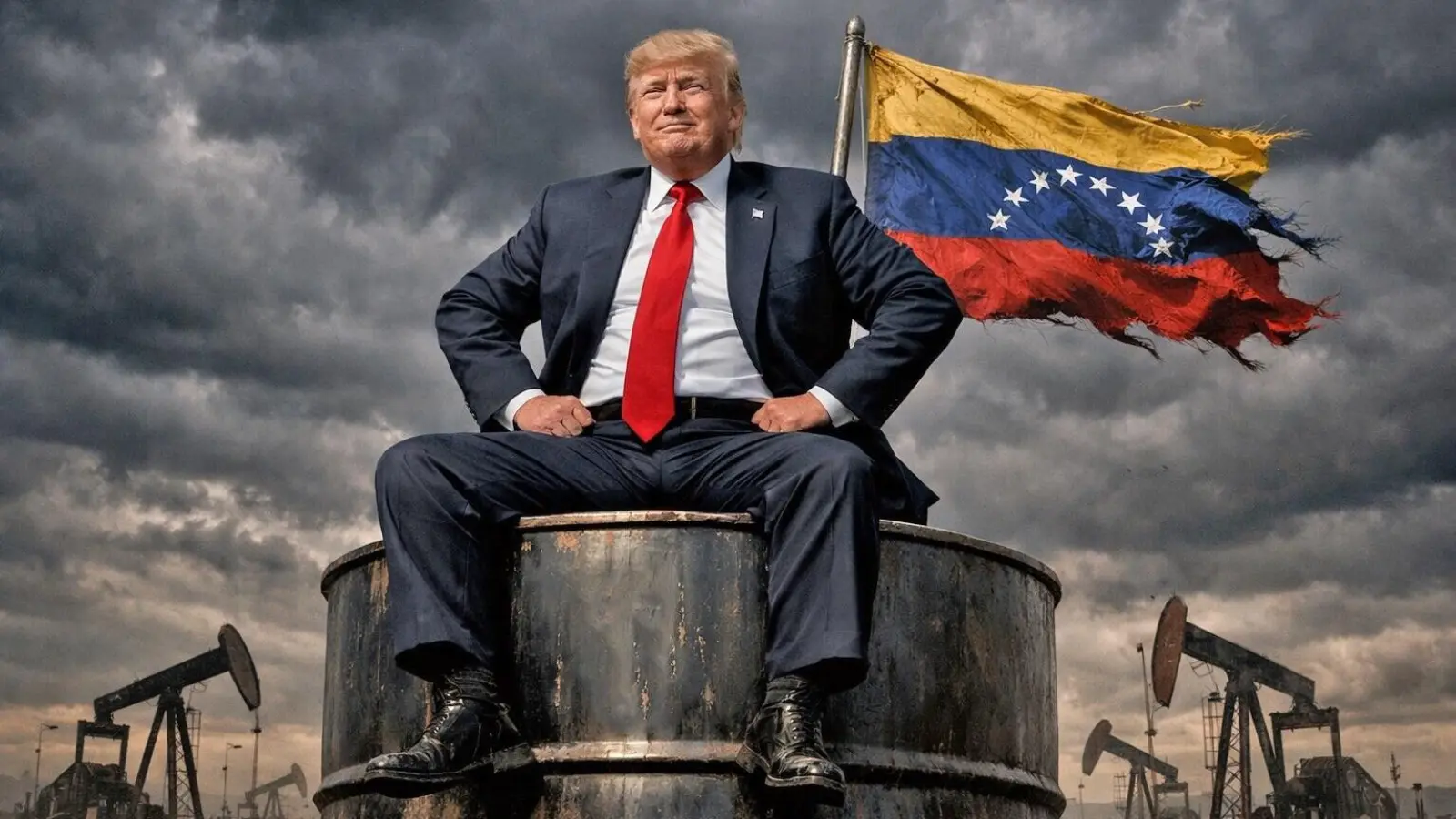
Venezuela, with the world's largest proven oil reserves, has returned to the center of global geopolitics. The administration of US President Donald Trump has begun to publicize plans to establish control over Caracas's 303 billion barrels of "black gold" reserves after Nicolas Maduro's removal from power. Washington intends to use this vast resource to lower oil prices in the global market and exert pressure on its competitors.
Giant on the verge of collapse: The dire state of industry
Although Venezuela surpasses the US and Russia in oil reserves by half, its share in the global market today is only 1%.
- Historical decline: in the 1950s, the country, which produced 15% of the world's oil, today extracts only 1 million barrels of raw materials per day.
- The consequence of nationalization: The confiscation of property from foreign companies under Hugo Chavez and years of lack of investment devastated the industry. International sanctions have exacerbated the situation.
Heavy oil problem: Expensive and difficult to extract
According to expert Sergey Vakulenko's analysis, Venezuelan oil is not an "easy prey" as imagined. The main reserves are in the Orinoko River basin, where the raw materials are extremely heavy and viscous.
- Bacterial attack: Natural bacteria have "eaten up" the light parts of oil, resulting in a bitumen-like substance that solidifies upon surfacing.
- High cost: Such oil requires liquefaction with gasoline or special heating pipes for transportation. This dramatically increases extraction costs and casts doubt on the profitability of the industry at low prices (for example, $50).
Will Trump be able to lower prices?
Washington's plan to lower oil prices to $50 per barrel is unlikely to materialize soon due to the Venezuelan factor.
- Investment deficit: A significant increase in production requires at least $10 billion in investment per year and 4-5 years.
- Lack of technical base: Modern drilling equipment and service teams are practically non-existent in the country.
- Market competition: In recent years, Canada has managed to replace Venezuela in the heavy oil market.
What will be the impact on China and Russia?
Venezuela's debt to Beijing exceeds $10 billion. Political changes could weaken China's influence in Latin America. The danger for Russia is that the US could strike at the Kremlin's revenues by curbing prices in the long term. However, the high cost of Venezuelan oil does not allow us to keep prices below $50 per barrel for a long time.
Do you think US companies risk investing billions of dollars in Venezuela's oil sector, where political risks are high?



Comments 0
…