


Seven people died in Qatar helicopter crash
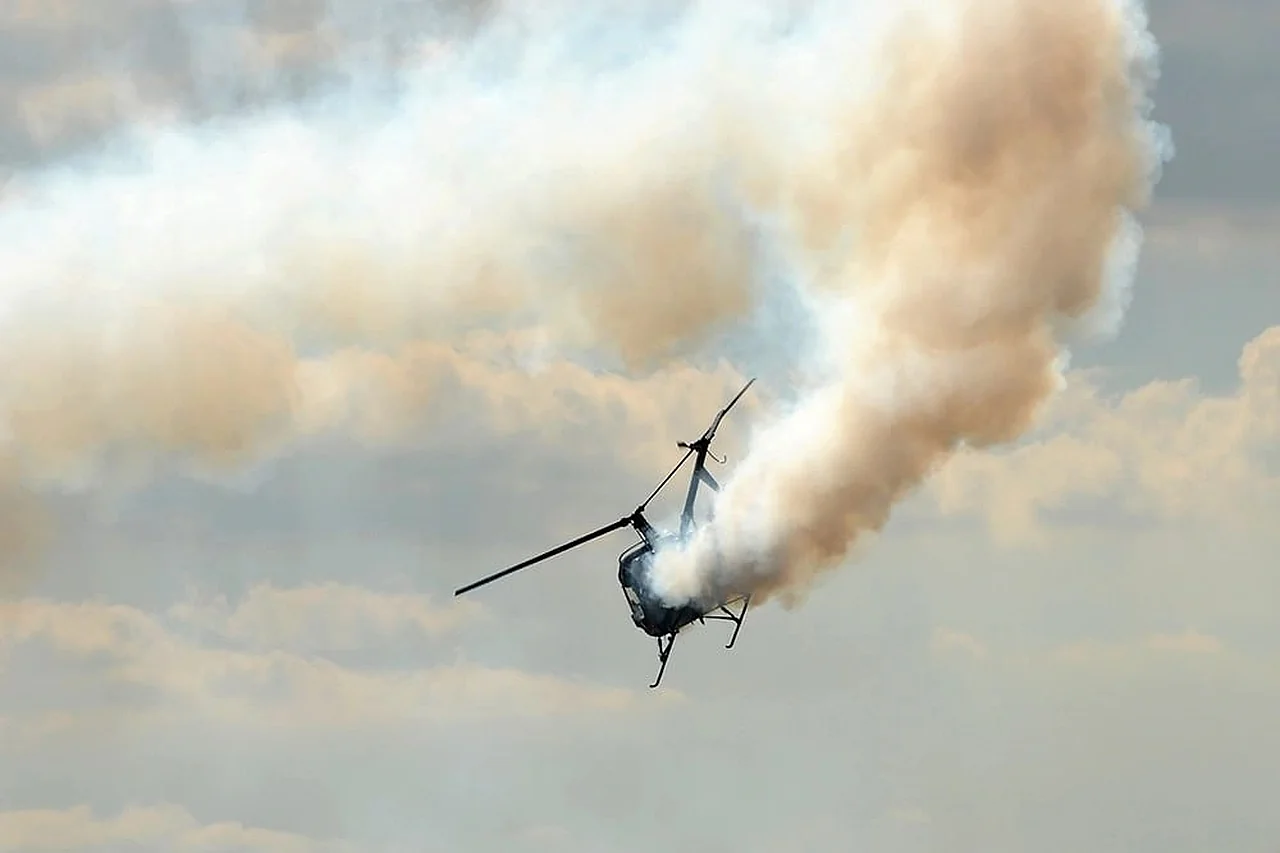
Seven people were killed after a Qatar Air Force helicopter crashed while flying over the country’s territorial waters, according to a statement issued by the Qatari Interior Ministry on Sunday, March 22. The latest announcement confirmed the death toll after earlier reports said that six bodies had been recovered and that the helicopter’s co-pilot was still missing. Authorities have now indicated that all seven people on board died in the incident.
Doha said the helicopter went down because of a technical malfunction, offering the first official explanation for the disaster. Earlier, Qatar’s Defense Ministry had stated that the crash occurred during the execution of a routine assignment. Officials have not publicly identified the helicopter model, nor have they disclosed the exact nature of the mission, leaving important operational questions unanswered.
According to Qatari authorities, four of those killed were Qatari military personnel, while the other three were Turkish citizens. Turkish officials later clarified that the Turkish nationals on board included one serviceman and two technical specialists employed by the defense company Aselsan. That detail suggests the flight may have involved military support, maintenance, testing, or technical coordination, although neither Doha nor Ankara has released a fuller account of why the Turkish personnel were on the aircraft.
The crash comes at a moment of extraordinary tension across the Gulf. Like several other states in the region, Qatar has repeatedly faced the risk of Iranian attacks since the outbreak of war involving the United States, Israel, and Iran. Even so, there has been no official indication so far that the helicopter disaster was linked to combat operations, missile strikes, drone activity, or any other hostile military action. Qatari authorities have specifically pointed to a technical failure rather than an external attack.
That distinction is significant because the regional security environment has sharply deteriorated in recent weeks. Since February 28, the United States and Israel have been carrying out airstrikes against Iran, according to the source information. Those strikes reportedly killed Iran’s Supreme Leader Ali Khamenei, along with a number of senior officials and representatives of the country’s security structures. Iran has in turn launched missile and drone attacks against neighboring states in the Persian Gulf region, saying that its intended targets are American military bases stationed there.
The spillover from that confrontation has affected energy infrastructure and maritime security across a wide area. Oil storage facilities and oil tankers in several Gulf countries have reportedly come under Iranian strikes. Beyond the Gulf itself, Azerbaijan and Cyprus, which currently holds the rotating presidency of the European Union according to the source, have also been affected by Iranian attacks since the start of the war. In that broader context, any military aviation accident in the region is likely to draw immediate scrutiny over whether it was caused by equipment failure, operational overload, or a security incident.
For now, the Qatari government appears intent on presenting the crash as an accident rather than part of the widening conflict. Still, the deaths of Qatari servicemen and Turkish nationals are likely to prompt a deeper bilateral and military-technical investigation. Questions remain over the aircraft’s maintenance status, the role of the Turkish specialists, weather and flight conditions at the time of the crash, and whether any emergency signal was transmitted before the helicopter went down. Until more technical findings are released, the incident is likely to remain a matter of both national mourning and regional concern.



Comments 0
…