


Trump said talks with Iran advanced
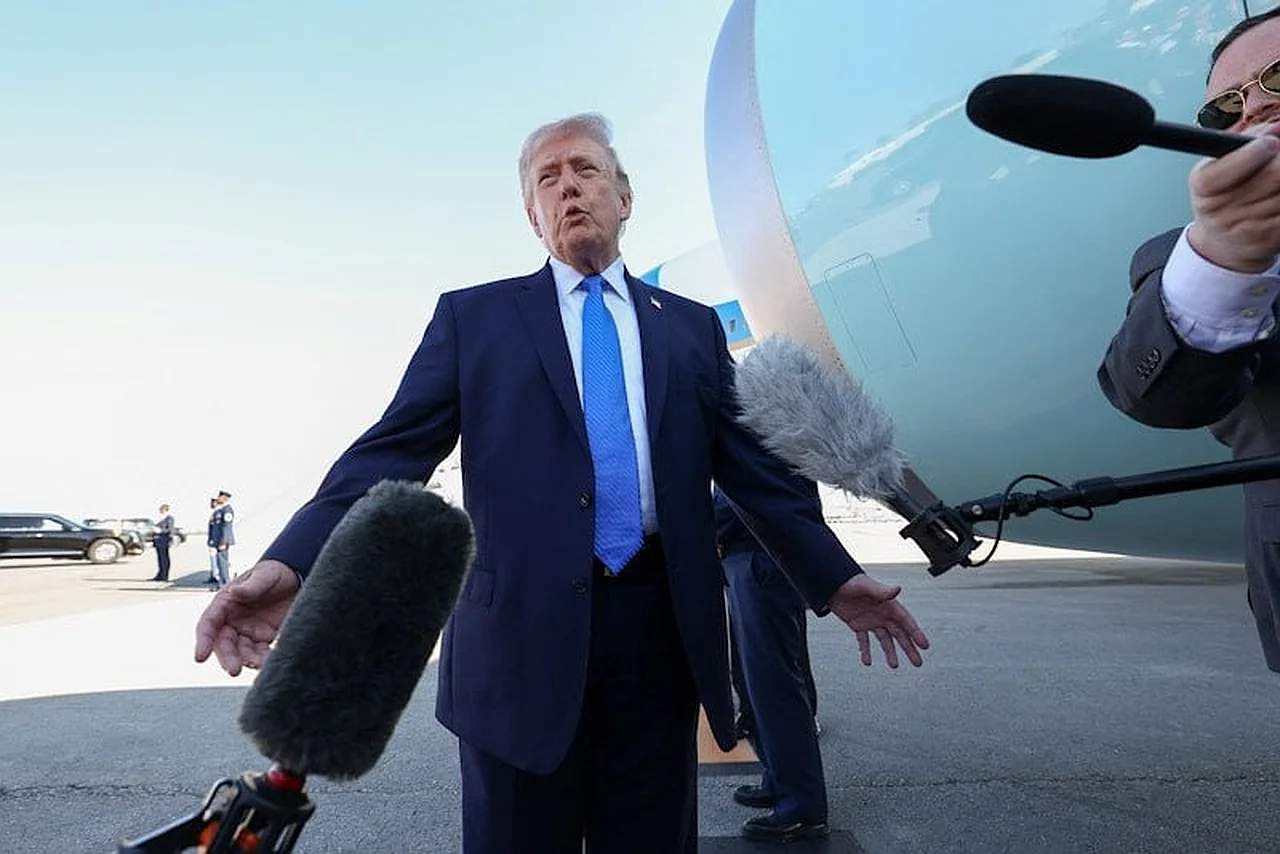
US President Donald Trump said Washington has held what he described as “very productive” talks with Iranian representatives and suggested the two sides have found points of convergence on most major issues. Speaking to reporters, Trump said the discussions had produced broad alignment on key questions, while cautioning that the outcome remains uncertain. His comments come at a moment of heightened tension in the region, with diplomacy and the threat of military action appearing to move in parallel.
According to Trump, the American side in the contacts included his son-in-law Jared Kushner and special envoy Steve Witkoff. He did not identify the Iranian participants by name, saying only that Tehran had sent a “highly respected senior leader.” Trump also claimed that the initiative for the talks came from Iran, portraying the contacts as a sign that Tehran wants to avoid further escalation and reach an understanding with Washington.
One of the most consequential parts of Trump’s remarks concerned Iran’s nuclear program. He said Iran wants a deal and that the United States is ready for one, but repeated the long-standing US position that Tehran must never obtain a nuclear weapon. Trump went further, saying the Iranian side had agreed to that principle. If confirmed, such a statement would mark an important opening, since the nuclear issue remains the central obstacle in any attempt to reset relations between the two countries.
However, there is still significant uncertainty over both the format and the substance of the reported negotiations. Iranian officials have not publicly confirmed that direct talks with the United States are taking place. Instead, Tehran has maintained that Washington stepped back from attacking important infrastructure because Iranian military threats had become more credible. That contrast in messaging suggests that even if contacts are underway, both governments are carefully shaping the narrative for domestic and regional audiences.
Media reports have added another layer to the picture. Axios, citing sources, reported that Turkey, Egypt and Pakistan have been acting as intermediaries between Washington and Tehran. According to that account, the foreign ministers of those three countries held separate discussions over two days with Witkoff and Iranian Foreign Minister Abbas Araghchi. Such a mediation format would fit the longstanding pattern of indirect US-Iran communication, in which third countries help carry proposals and narrow disagreements when direct engagement is politically sensitive.
Another report, from The Jerusalem Post, said the Iranian side in the discussions with Washington is being led not by the foreign minister but by Parliament Speaker Mohammad Bagher Ghalibaf. If accurate, that would be a notable signal about the political weight of the talks inside Iran, as Ghalibaf is considered a senior figure within the country’s power structure. At the same time, the existence of differing media accounts about who is actually negotiating underscores how opaque these contacts remain.
Trump had previously linked the diplomatic track to military planning, saying that because of the “productive talks” he ordered the Pentagon to delay for five days a potential strike on Iranian energy infrastructure. That claim suggests the administration may be using a short diplomatic window to test whether negotiations can produce tangible concessions. It also highlights how narrow the margin may be between dialogue and confrontation, especially if either side concludes that the other is stalling.
For now, the central question is whether the reported common ground can be turned into a structured agreement. Even limited progress would require clarity on verification, sanctions relief, regional security concerns and the chain of authority on both sides. Trump’s comments have raised expectations, but without public confirmation from Tehran or a clear negotiating framework, the talks remain surrounded by ambiguity. Still, the fact that both diplomacy and deterrence are being discussed so openly suggests that Washington and Tehran may be entering a decisive, and potentially volatile, phase in their relationship.



Comments 0
…