


Epstein's Suicide Note and Hidden Truths Revealed
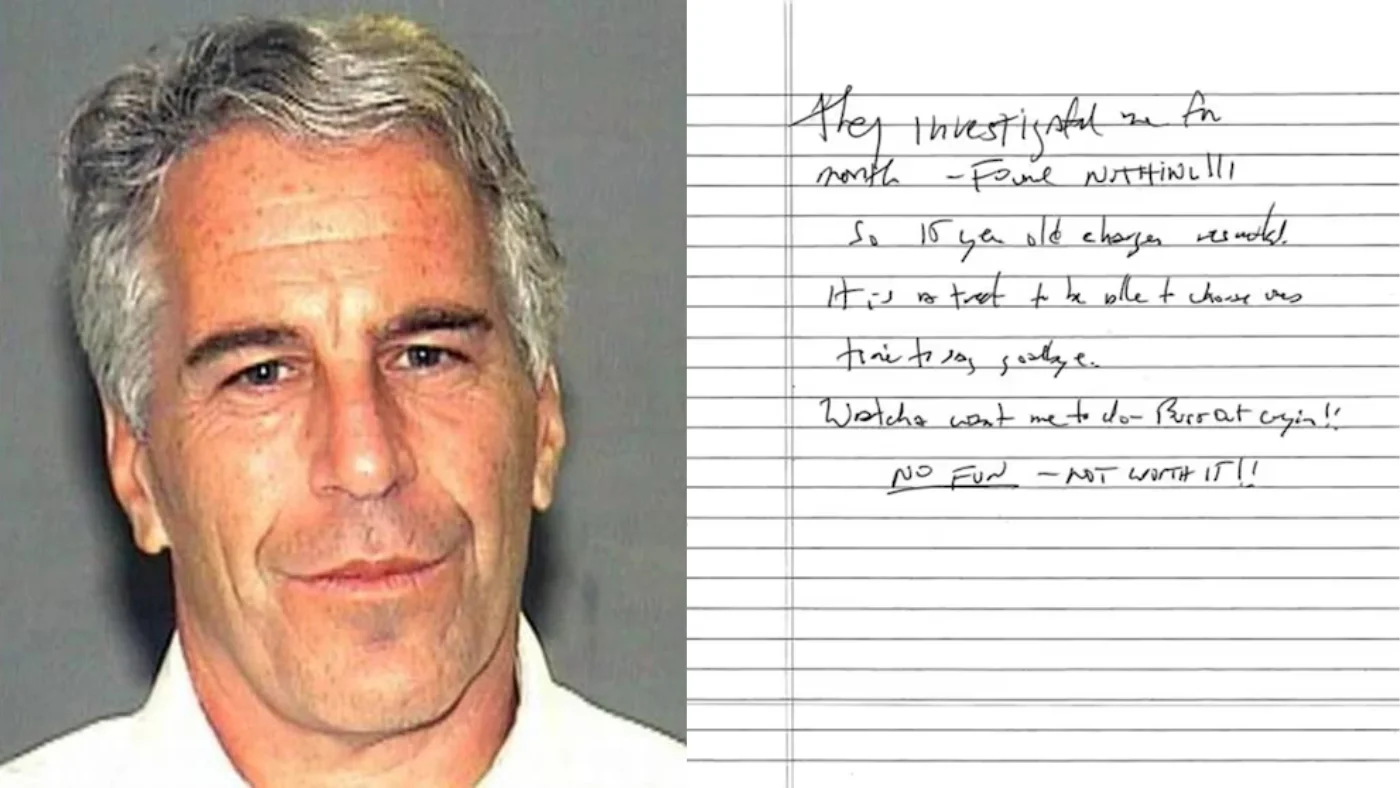
A suicide note allegedly written by Jeffrey Epstein has been released to the public in the US. A New York federal judge ordered the document's publication on May 6. The letter includes phrases such as, "It is a nice thing to be able to choose the time of one's farewell."
How was the letter discovered?
The former financier and convicted sex offender was found dead in a Manhattan jail in August 2019. Official reports ruled his death a suicide.
The handwritten note was reportedly found by Epstein's former cellmate, Nicholas Tartaglione, a former police officer convicted of murder. Judge Kenneth Karas, who presided over the case, authorized the release of the letter following a request from The New York Times.
Court Ruling and the Fate of the Document
Judge Karas deemed the letter a court document that should be accessible to the public, as it was submitted as part of the evidence in Tartaglione's criminal case.
Nicholas Tartaglione is currently serving four life sentences for drug-related murders.
The judge stated there was no sufficient legal basis to keep the document sealed. However, he emphasized that he had not made a determination regarding the authenticity of the letter.
What is written in the letter?
The note, scribbled on yellowish paper, was submitted to the court by Tartaglione's lawyers. Reports indicate that he shared a cell with Epstein for two weeks at the Manhattan jail in July 2019.
According to court documents, the letter contains the following lines:
In 2013, Epstein was convicted in Florida for procuring minors for prostitution. At the time, he escaped with a relatively light sentence through a controversial plea deal. In July 2019, he was arrested again and faced charges in New York and Florida for sex trafficking and abusing underage girls.
Why was the document kept secret?
Nicholas Tartaglione had mentioned this letter in a 2025 podcast. However, the topic became a subject of widespread discussion after The New York Times published an article about it.
According to the publication, federal investigators had not previously seen the letter. It also did not appear among the millions of documents released by the US Department of Justice regarding the Epstein case.
In ordering the document's release, Judge Karas noted that Epstein's death had already become a matter of public debate and dismissed concerns regarding personal privacy as unfounded.
Epstein's "Mosque" and the Uzbekistan Connection
While analyzing Epstein's correspondence, journalists encountered information about a strange "mosque" built on his private island.
It turned out that Epstein used a Kaaba kiswa, tiles brought from Uzbekistan, and Syrian architectural styles in the building.
In 2011, it was revealed that he had contacted acquaintances in Uzbekistan to source authentic tiles, writing, "They are for the interior walls, to be used in a mosque style."
Romanian designer Ion Nicola is also said to have been involved in the project.


Comments 0
…