


Large funds will be allocated to difficult districts and mahallas
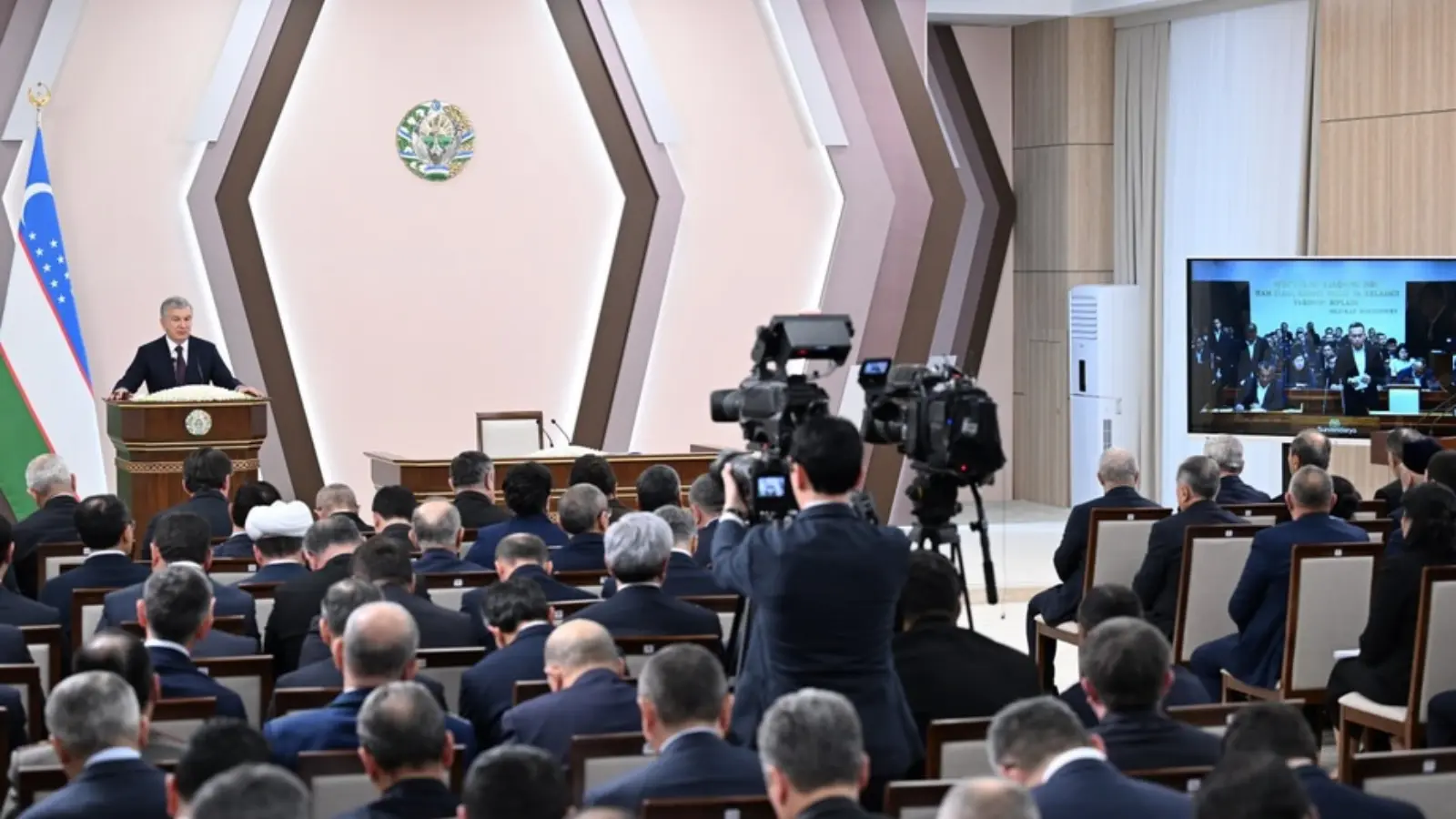
To drastically reduce poverty and unemployment in the country, a new, much larger financial support mechanism is being launched for regions classified as "difficult." Now, regional governors will allocate 10 billion soums to each "difficult" district and 1 billion soums to each of the 903 "difficult" mahallas.
As a result of studies conducted in the districts, 37 "difficult" districts were identified based on 20 criteria, such as the state of infrastructure, the standard of living of the population, business activity, and financial capabilities. Furthermore, each district was thoroughly analyzed, and 903 "difficult" neighborhoods with a high share of poverty were selected.
It is noteworthy that one-third of poor families and 21% of the unemployed are in these 37 districts and 903 mahallas. So, the "heavy part" of the problem has been clearly indicated.
In addition, it was noted that work has begun to bring the image of "New Uzbekistan" to 33 more districts and 330 "difficult" mahallas. The Head of State noted that by directing the main efforts in this direction to 70 districts and about 1,000 "difficult" mahallas, it is possible to reduce the poverty level in the republic by at least 3%.
Residents and entrepreneurs in the regions often ask for the most essential things for their lives: roads, water, and electricity, rather than tax benefits. In this regard, it was determined that 20 trillion soums will be allocated to the regions this year to improve infrastructure, and 12 trillion of these funds will be directed to "difficult" districts and mahallas.
Another important change: the amount of funds returned from the republic to the local budget will be doubled, and khokims will be allocated 4 trillion 200 billion soums. From these resources, regional governors will allocate 10 billion soums to the "difficult" district and 1 billion soums to each of the 903 mahallas.
In addition, an additional 50 billion soums will be allocated to each "difficult" district, and an additional 2 billion soums to "difficult" mahallas. This means that district khokims and local councils will receive an additional 4 trillion soums for "difficult" districts and mahallas.
The head of state emphasized that these funds should not be "just expenses" and issued an open warning to the khokims: the funds should serve to reduce poverty and unemployment by at least two times through infrastructure improvement.
It was also noted that the khokims of "difficult" districts should directly address the population, go from neighborhood to neighborhood, and give clear explanations on how many people in each region will be employed, and how many families will be lifted out of poverty. That is, now the report will not be on paper - it will be in front of the people, in the mahalla.
According to the president, after allocating so much money, the district governor must take responsibility to the people and be accountable for the results. And the people themselves should evaluate the activities of the khokimiyat.
In short, the system is entering a new stage: there are funds, there is a direction, and the demand is clear. Now the most important thing is performance. Because people want to see the results not in the reports, but on the roads, in the water, in the light, and at the workplace of their mahalla.



Comments 0
…