


Whom will a boy's laughter resemble — the father or the mother?
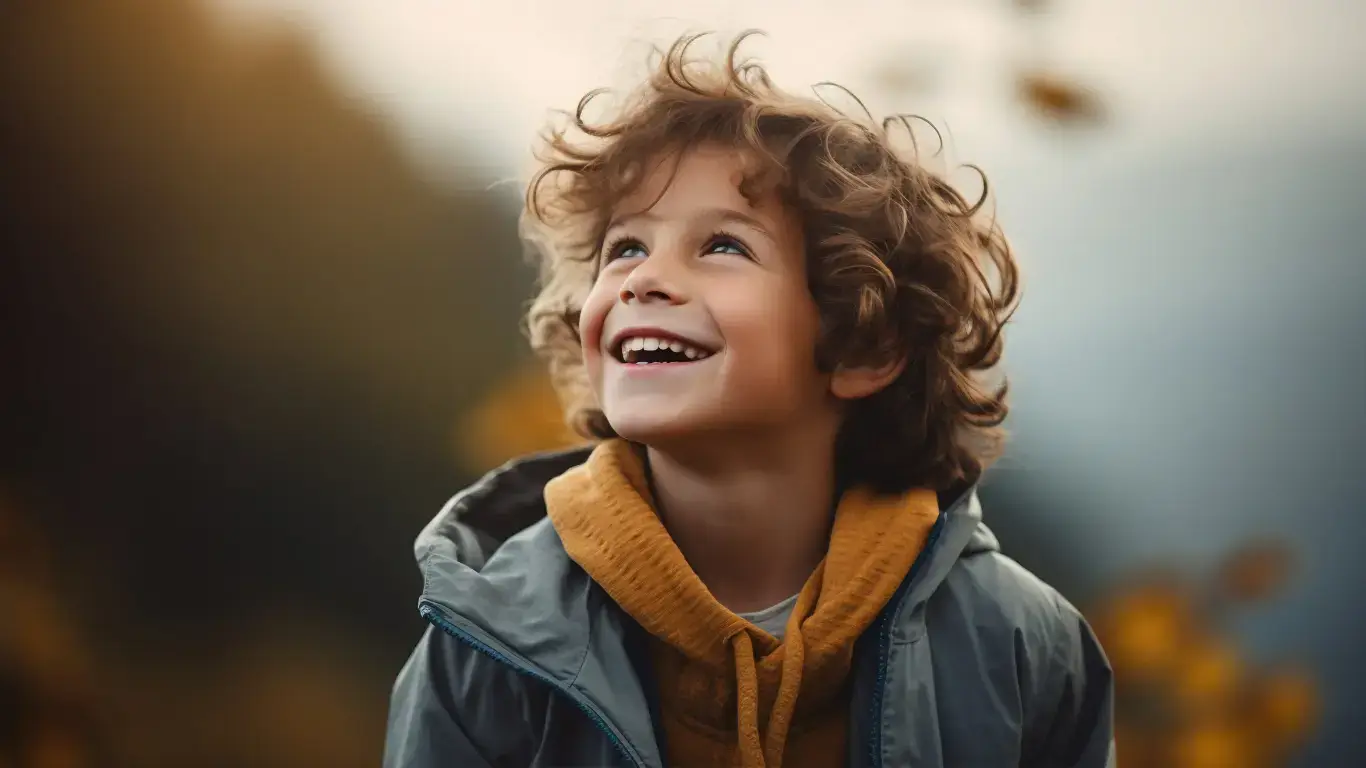
A child's smile or laughter is not just a facial expression, but a complex combination of facial structure, tooth alignment, and even character. From a scientific (genetic) perspective, here are interesting facts about who a boy inherits his laughter from:
1. Facial structure (Anatomy)
The facial muscles, lip shape, and jaw structure involved in smiling depend on dominant genes. If the father's facial features are more dominant, the boy's laughter will more closely resemble his father's. Although the view that "facial structure is often inherited from the father" is common in genetics, it is not a 100% rule.
2. Dimples
If dimples appear when a boy laughs, this is a genetic defect (actually a shorter facial muscle) which is a dominant trait. If either the father or the mother has dimples, there is a very high probability the child will have them too.
3. Emotional similarity (Psychology)
Here, "social heritage" plays a bigger role than genetics. A child subconsciously starts to copy the facial expressions, laughter style, and mimicry of the person they spend the most time with from an early age (usually the mother). This is why many note that boys' laughter resembles their mother's.
4. Teeth and jaw structure
Teeth play a huge role in a beautiful smile. According to genetics, the size of the teeth and jaw is often inherited from the father's side. If the father has straight teeth and a wide smile, there is a great chance the son will have the same.
A boy's laughter is the result of a "genetic cocktail." While facial structure and teeth are often passed down from the father, the style of laughter and expression of emotions are more derived from the mother or the upbringing process.


Comments 0
…