


FIFA Warns Argentina of Possible Ban from 2026 World Cup
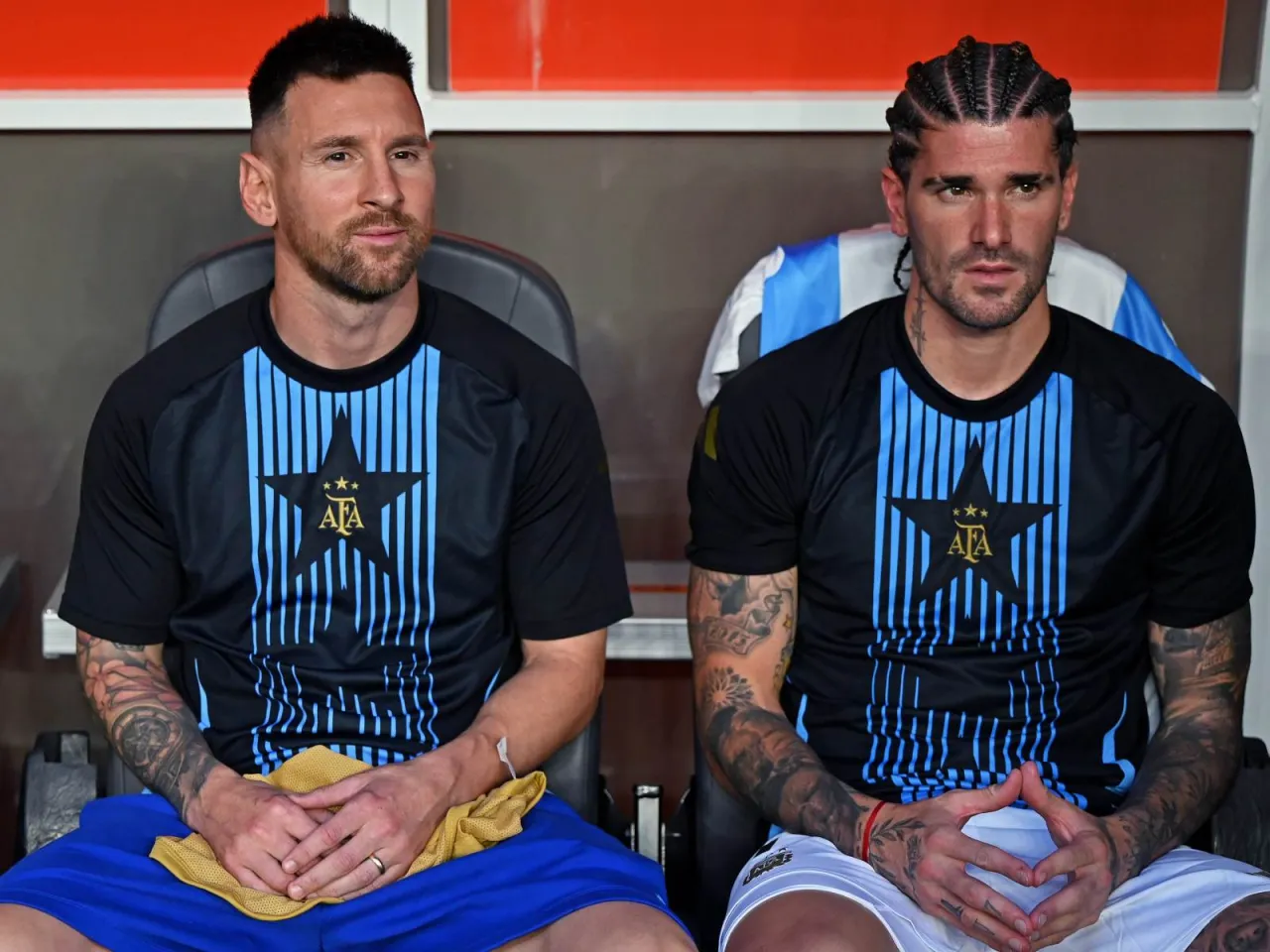
Argentina has recently learned of its group stage opponents for the 2026 FIFA World Cup: Algeria, Austria, and Jordan. The draw results were welcomed with relief in Buenos Aires.
Lionel Messi had already begun preparations for what could be his final World Cup, while fans started exploring travel plans and ticket arrangements. However, the situation has unexpectedly taken a serious turn.
La Nacion has published details of an investigation that has rocked Argentine football. According to the report, if government authorities prove allegations of corruption against the football leadership in court and officials are removed from their positions, FIFA may interpret this as state interference in the national federation and could go as far as excluding Argentina from the tournament.
At the center of the investigation is Claudio Tapia, president of the Argentine Football Association (AFA). Questions have been raised regarding his ownership of a luxurious property in the Pilar region, which reportedly includes 10 hectares of land, a helipad, stables, and a collection of over 50 rare cars.
Documents indicate that the property is registered under the names of a retired woman and a private entrepreneur, who police suspect are being used as nominal owners. The case also mentions Tapia's close associate Pablo Toviggino and AFA deputy treasurer Luciano Nakis.
The ARCA agency, created by President Javier Milei to oversee public finances, is investigating AFA for allegedly embezzling $7 million and evading taxes. It has been reported that raids have been conducted at the association's headquarters and 18 football clubs across the country.
An additional angle of the investigation involves the financial company Sur Finanzas, which, according to journalists, is owned by Tapia's close friend Ariel Vallejo.
The company reportedly provided sponsorship to national teams and clubs on an exclusive basis, issued loans, and earned payments through broadcasting rights. Investigators suspect Sur Finanzas of embezzlement and tax evasion.
According to La Nacion, Vallejo allegedly gave Tapia a credit card for his use, through which hundreds of thousands of dollars were spent. No formal charges have been filed as of now.
Sources suggest that Tapia has claimed to have the situation under control and remains calm. However, the controversy could conflict with FIFA regulations.
FIFA's statutes are strict: government bodies must not interfere in the affairs of national football federations. If the court finds Tapia guilty and removes him from office, FIFA may interpret it as a violation of the federation's independence.
That said, it is hard to imagine Argentina being excluded from the World Cup. As reigning world champion, with Messi potentially playing his final tournament, and with the 2026 tournament hosted by the United States, Canada, and Mexico, the stakes in terms of viewership and revenue are immense.
Vyacheslav Koloskov, honorary president of the Russian Football Union and a FIFA member, commented on the matter: "Argentina will still play in the World Cup, no doubt, because the stakes involve publicity and big money." His view makes sense from a commercial perspective—excluding Messi and his team from the tournament would result in financial loss.
However, FIFA's primary criteria are not revenue, but its statutes and principles, particularly regarding federations' independence. The scenarios are twofold: if officials are quickly cleared or step down and AFA demonstrates readiness for reform, the crisis could de-escalate.
However, if the process drags on and allegations of government interference intensify, FIFA could have formal grounds to impose sanctions. Would such measures be realistic?
It is doubtful. Cases of teams being excluded from major tournaments due to corruption within their federations are almost unheard of, especially in the lead-up to major events.
In past incidents, such as those involving Kuwait and certain other cases, sanctions concerned planned competitions rather than World Cups. Nonetheless, the investigation in Argentina is rapidly expanding, encompassing raids, millions of dollars, alleged nominal owners, and "friendly" credit card accounts.
As a result, Messi risks missing what could be his final World Cup not due to injury or age, but because of controversies surrounding those managing Argentine football. The 2026 FIFA World Cup is set to commence on June 11.
There is still time. The question is whether Argentine authorities can resolve the situation promptly and legally without escalating tensions, and whether FIFA will be willing to overlook the noise if it grows louder.


Comments 0
…