


Spain may ban social networks for teenagers under 16
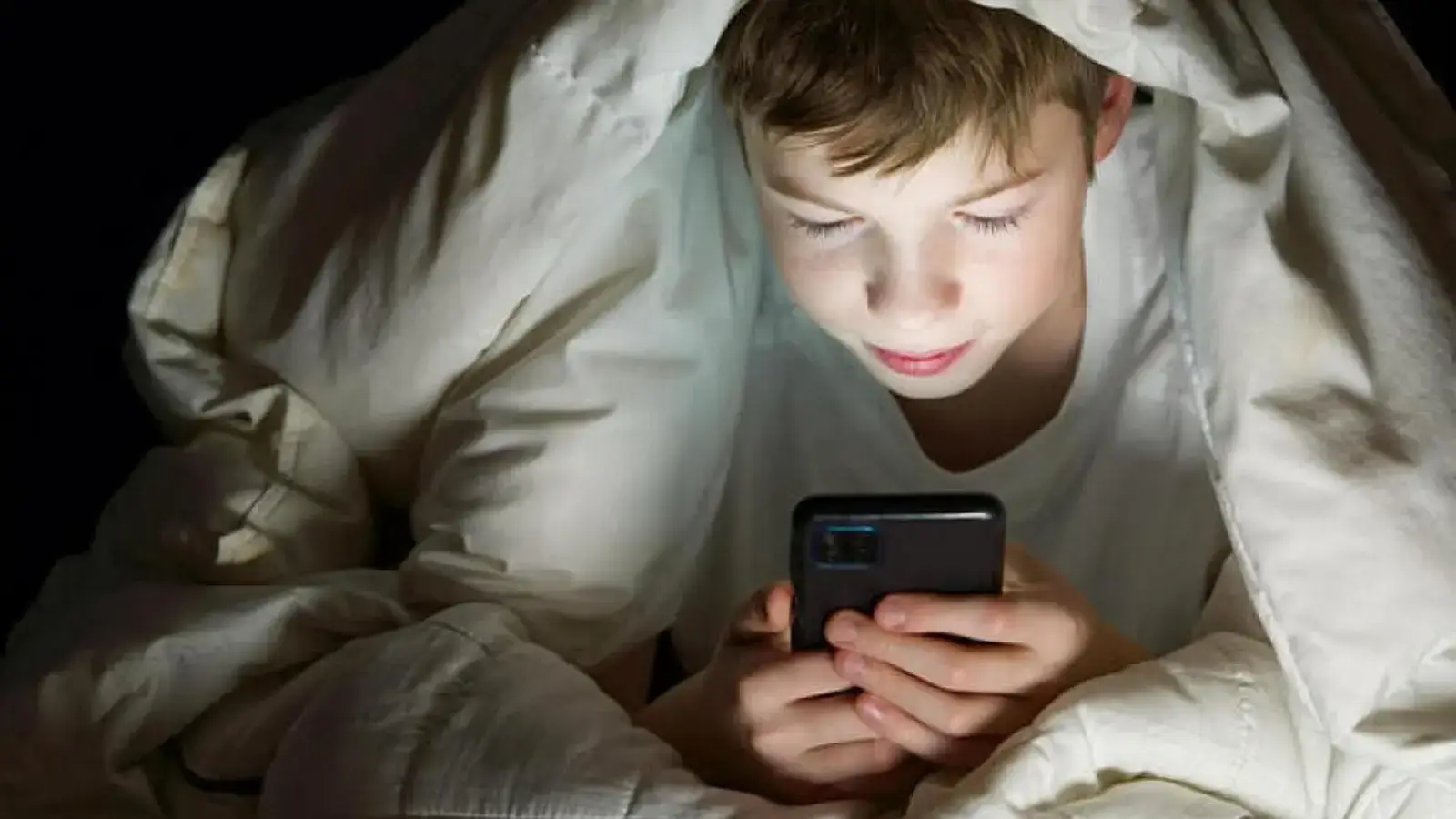
The Spanish government intends to discuss the issue of restricting, or even banning, access to social networks for teenagers under 16. This was stated openly by the country's Prime Minister, Pedro Sánchez.
The fact is that official Spain, especially Madrid, wants to require platform owners to implement an "age verification" system - that is, it will be necessary to determine whether they are actually over 16 when opening an account. These requirements may also apply to major platforms like TikTok, Instagram, and X.
Sanchez's speech in Dubai was quite harsh: he compared social networks to the "digital Wild West," where law-abidingness has weakened, hate and insults spread easily, and disinformation often moves faster than reality. In short, he put forward the idea that "children should not be left here alone."
It is noteworthy that not only the ban, but also the issue of responsibility is being raised. The Spanish government also plans to consider an initiative next week to personally hold social media management accountable for illegal content and hate speech. That is, the question "who will answer?" comes to the forefront, not "post deleted - that's it."
Spain does not intend to act alone in this direction. Sanchez also stated that the country will join a coalition called "Coalition of the Digitally Willing" to strengthen cross-border cooperation on social media regulation within the European Union.
Interestingly, this trend is growing worldwide. In France, the lower house of parliament reportedly supported the idea of banning social networks for children under 15 years old; according to the plan, if adopted, it could take effect from the new academic year - September 1, 2026.
Australia has already set an example by implementing an "age restriction" system for those under 16 from December 10, 2025.
Now the main question is - how does this work? Age verification can be strengthened, but it is also important that it be fair and secure (the issue of personal data). Here, states, while saying "we protect the child," are forced to behave like "adults" while maintaining balance between technology and law.
One thing is clear: in recent years, Europe will move away from the mindset that "social media is a free zone" to the regime that "social media is a field with rules." And this, frankly speaking, is not bad for children: there should also be a seat belt on the internet.



Comments 0
…